The Gig Economy in 2026: Fairer Splits, Smarter Matches, and Real Protection
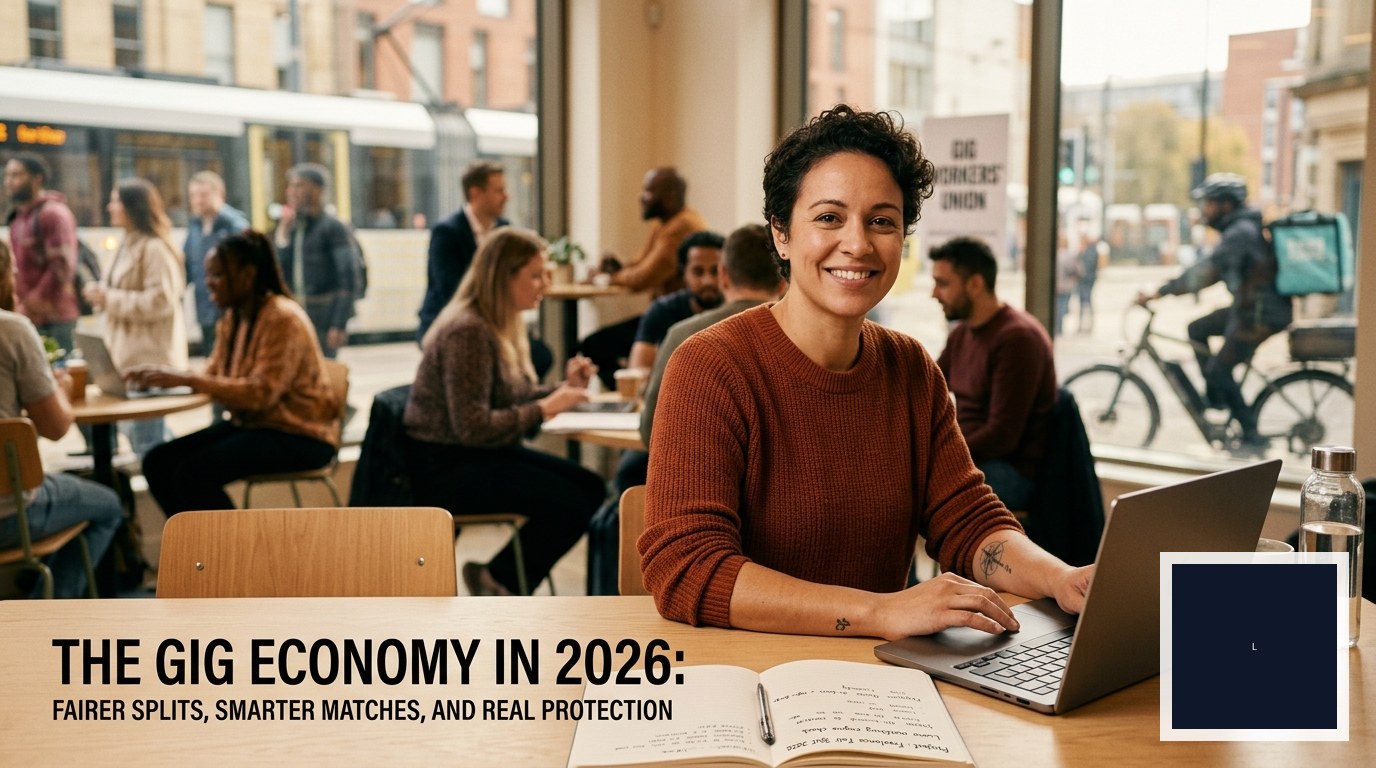
Remember when ordering a ride or booking a handyman meant surrendering 30% of the transaction to a faceless app? That era is quietly ending.
The gig economy in 2026 looks different—not because of some regulatory earthquake, but because the math finally stopped making sense for everyone involved. Providers got tired of working harder for less. Customers noticed prices creeping up while service quality plateaued. And a new generation of platforms realized that razor-thin margins and winner-take-all economics weren't the only way to build a marketplace.
The Take-Rate Reckoning
Across the industry, platform fees are dropping. What used to be 25-35% cuts are now hovering around 12-18% for many services. It's not altruism—it's survival.
When providers keep more of what they earn, they stay on the platform longer, deliver better service, and stop juggling four different apps to make rent. When customers aren't subsidizing bloated corporate overhead, they book more frequently. The unit economics actually work better for everyone, including the platform.
This shift has been especially pronounced in local services. Why should someone pay a 28% fee to find a dog walker in their own neighborhood? The value proposition always felt thin, and now providers have options that respect that reality.
Any Store, Any Item, One App
On-demand delivery has gone truly horizontal. In 2026, you're not limited to partnered restaurants or pre-approved retail chains. Need something from that family-owned hardware store? The boutique nursery across town? Your neighbor's estate sale?
The infrastructure is finally there. Couriers have thermal bags, insurance that actually covers high-value items, and routing that makes multi-stop pickups profitable. More importantly, stores have realized they don't need to build their own delivery operations—they just need to plug into platforms that already have vetted drivers ready to go.
This has been a quiet revolution for small businesses. They compete on product and service, not logistics budget.
The Multi-Hyphenate Workforce
The "one gig, one app" model is dying. Today's providers are multi-skilled, and platforms are finally catching up.
Your delivery driver might also do furniture assembly. The person who deep-cleans your apartment may offer closet organization. Someone helping you move might have a pickup truck they rent out on weekends.
Smart platforms now support bundled services and composite profiles. This isn't just convenience—it's economic dignity. Providers build actual businesses instead of being atomized task-completers. They develop client relationships. They earn enough per customer to make the work sustainable.
The best part? Customers get better service from people who actually care about reputation in their community, not just a 4.8-star rating they'll abandon when they switch apps next month.
Escrow as Standard, Not Premium
Payment protection used to be a luxury feature. In 2026, it's table stakes.
Escrow-backed transactions are now standard for anything over $100. The money gets held until both parties confirm the work is done. Disputes get resolved by actual humans who review evidence, not bots pattern-matching for keywords.
This has virtually eliminated the two biggest trust problems in local services: customers who ghost after work is completed, and providers who disappear after getting paid. When everyone knows the money is protected but guaranteed, behavior changes fast.
AI That Assists (Instead of Replacing)
The AI hype cycle has been exhausting, but one application is genuinely useful: intelligent matching.
Good platforms now use AI to suggest providers based on actual fit—not just availability and price. It considers past job complexity, communication style compatibility, even schedule reliability patterns. It surfaces questions you should ask before booking. It flags when a job description is missing critical details that cause problems later.
This isn't robot overlords. It's decision support that makes the marketplace work more smoothly for both sides.
What This Means for You
If you're hiring for a service, you're getting better providers who are paid fairly and stick around. If you're offering services, you're keeping more of what you earn and building something sustainable. If you're a small business, you suddenly have logistics superpowers without the overhead.
The gig economy isn't going away. But the extractive, race-to-the-bottom version is slowly being replaced by something more sustainable. Platforms that get this right—that see themselves as infrastructure for their communities rather than intermediaries capturing maximum value—are the ones that'll matter in five years.
If this vision resonates, see how Lumo is building exactly this kind of marketplace for your neighborhood.