The Gig Economy in 2026: Why Local Services Finally Work for Everyone
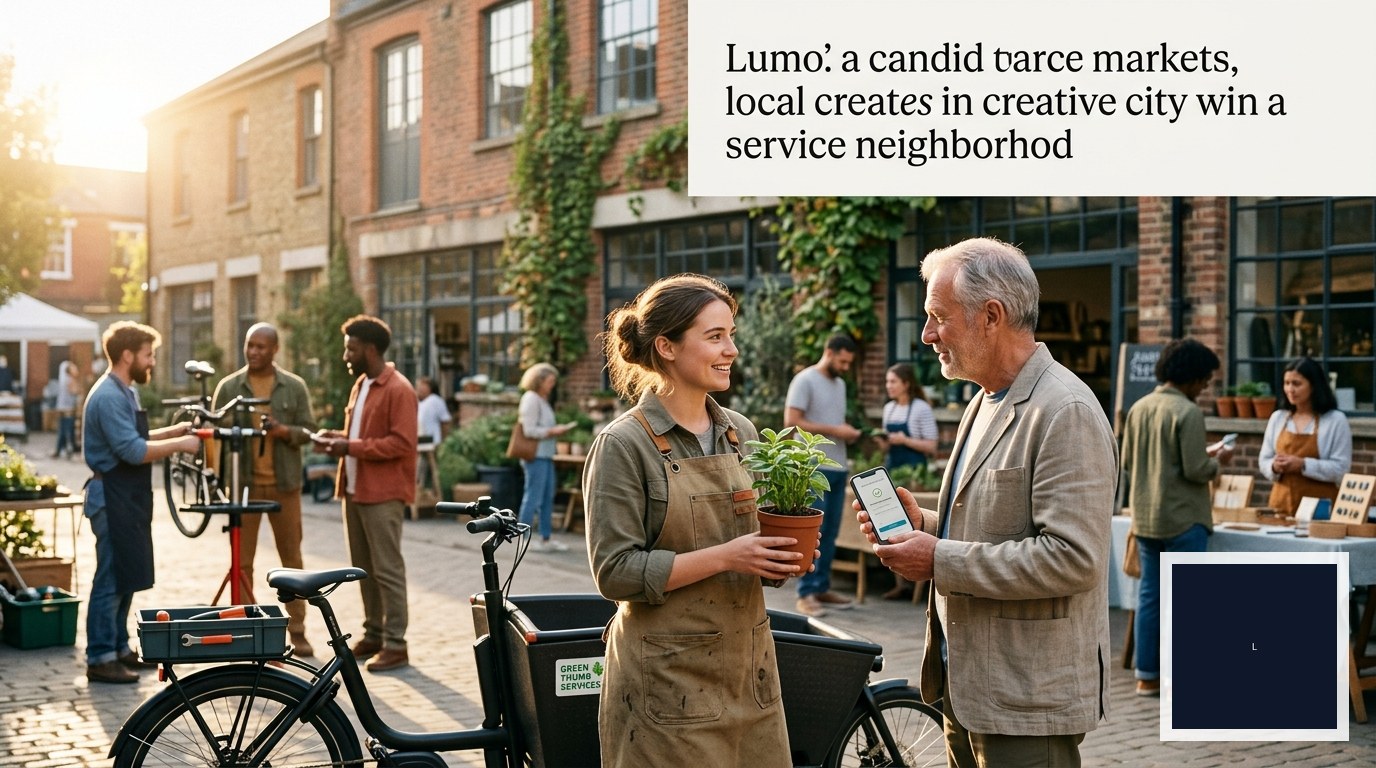
Remember when ordering delivery meant paying $8 in fees on a $12 sandwich? Or when hiring someone to mount your TV felt like a gamble with a stranger from the internet? The gig economy promised freedom and convenience, but for years it delivered frustration alongside your burrito.
2026 feels different. Not because of one flashy innovation, but because a dozen small improvements are finally stacking up into something that actually works.
The Take-Rate Reckoning
For the first half of the 2020s, major platforms charged 25-35% commissions on every transaction. That math never really worked—it squeezed providers, inflated prices for customers, and funneled billions to a handful of companies that didn't live in your city.
Now we're seeing a correction. Newer marketplaces run leaner and charge 12-18%. Some go lower. The difference isn't trivial: a house cleaner earning $180 instead of $150 for the same job is life-changing money. For customers, it means hiring help doesn't require a small personal loan.
This shift happened because competition finally arrived and because platforms realized something obvious: sustainable businesses need happy providers. Revolutionary, right?
Any Store, Any Item, One Delivery
On-demand delivery used to mean "restaurants that partnered with our app." Today's systems plug into local retail infrastructure differently. Need batteries from the hardware store, a birthday card from that stationery shop, and coffee beans from the roaster—all in one delivery window? Done.
The unlock was treating delivery as actual infrastructure rather than a restaurant add-on. Couriers now run efficient multi-pickup routes. Stores get access to delivery without building their own system. You get your spatula in 40 minutes without downloading a seventh app.
Small retailers, especially, are thriving with this model. They compete on product quality and service, not logistics budgets.
The Rise of Multi-Skilled Providers
Here's something subtle but significant: professionals are listing multiple skills on the same platform.
The handyman who also does minor electrical work and furniture assembly. The photographer who offers video editing and drone services. The courier who takes moving gigs on weekends.
Modern marketplaces accommodate this reality instead of forcing everyone into rigid categories. Better matching systems understand nuance—they know someone's five-star mounting jobs probably translate to other installation work.
For providers, this means steadier income without juggling five apps. For customers, it means finding someone who actually understands your slightly-weird request.
Real Protection, Real Escrow
Maybe the biggest trust breakthrough is proper escrow. Money gets held until the job's complete. Disputes get mediated by humans who review evidence. Both sides have skin in the game.
This sounds basic, but for years, platforms either sided reflexively with customers (burning providers) or made dispute resolution so painful nobody bothered (burning customers). Escrow-backed transactions with clear terms change the psychology. You're not trusting a stranger—you're entering a structured agreement with recourse.
Scammers hate this. Everyone else benefits.
AI That Actually Helps
The AI conversation around gig work often focuses on replacement. The real story in 2026 is augmentation.
Smart matching systems now consider dozens of factors beyond star ratings: specialty experience, schedule compatibility, location efficiency, communication style preferences. They surface providers you didn't know existed but who are perfect for your specific situation.
For providers, AI handles the administrative tedium—calendar optimization, proposal templates, pricing suggestions based on local market dynamics. Less time on logistics means more time doing actual work.
No, the robots aren't taking over. They're just making the marketplace less exhausting to navigate.
What This Means for Your Tuesday
These trends compound into something practical: local services that feel reliable rather than risky. Hiring someone to install shelves or deliver your grocery haul shouldn't require courage. In 2026, increasingly, it doesn't.
The platforms getting this right aren't trying to own every transaction in America. They're building infrastructure that makes local commerce flow better—then getting out of the way.
That's the version of the gig economy worth building. The one where providers earn fairly, customers pay reasonably, and neighborhoods stay economically vibrant.
If that sounds like the kind of marketplace you'd rather use, well—we're building it. Come see what local services feel like when they're designed for humans instead of exit valuations.