The Local-Services Revolution: How 2026 Is Rewriting the Gig Economy Playbook
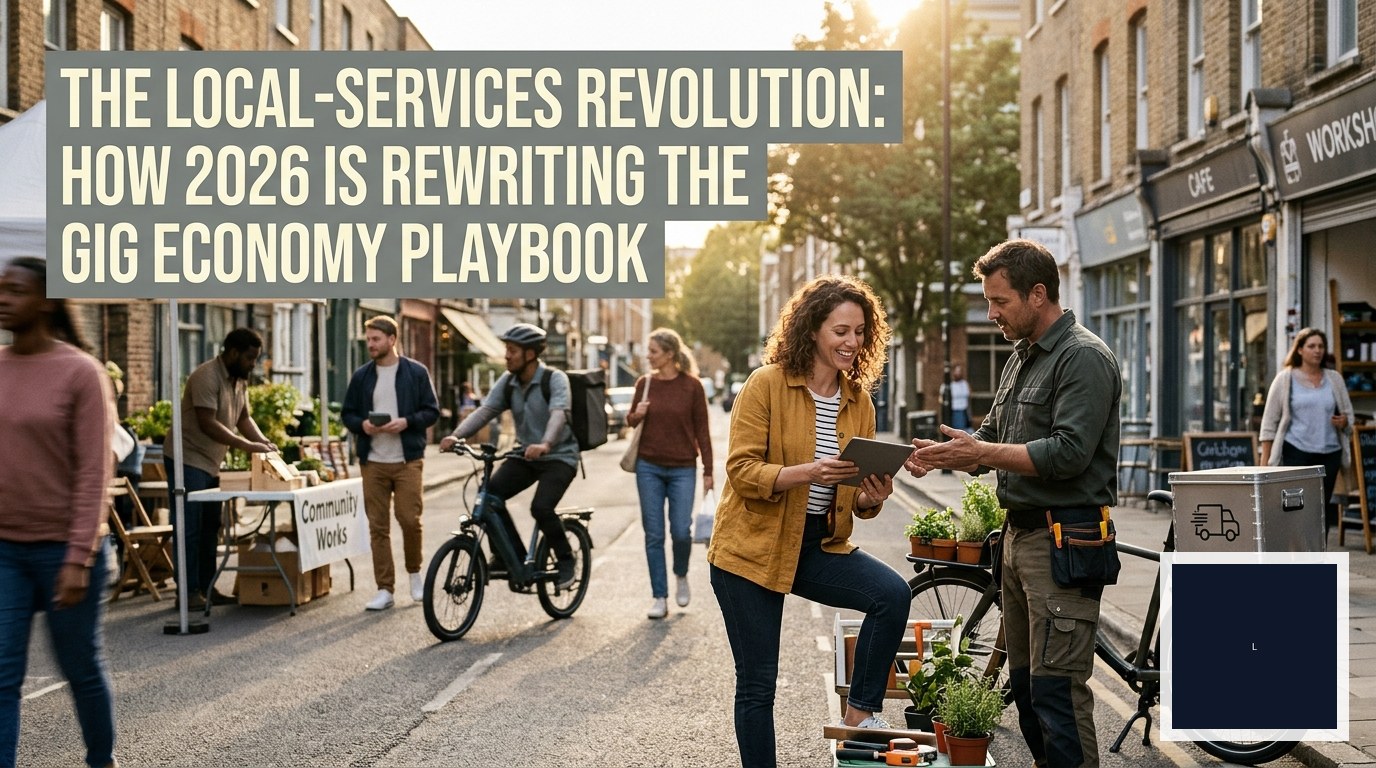
Remember when calling an Uber felt revolutionary? When ordering dinner to your door seemed almost magical?
That was 2015. We're now eleven years into the gig-economy experiment, and something fundamental is shifting. The platforms that connect us to local services—deliveries, home repairs, freelance work, even car sales—are evolving past their awkward adolescence into something more sustainable, more fair, and frankly, more useful.
Here's what's actually changing in 2026.
The Take-Rate Reckoning
For years, marketplace platforms took 25-35% of every transaction. A driver delivered your burrito, and the app kept a third of the fare. A contractor fixed your sink, and the platform skimmed 30% off the top.
That's collapsing. Competition and worker pushback have driven commissions down to 12-18% in most markets. Some platforms are experimenting with flat monthly subscriptions for providers instead of per-job fees. The math is simple: when providers keep more of what they earn, they stay on the platform, deliver better service, and charge customers less. Everybody wins except the shareholder expecting 40% margins.
This isn't charity. It's market correction.
Any Store, Any Item, On Demand
The first wave of delivery apps partnered with specific restaurants and retailers. The second wave, happening now, is truly open-ended: request anything from any business within a radius, and a local courier will grab it.
Need a specific paint color from the hardware store across town? A birthday card from that stationery shop downtown? Someone's making that run anyway—they'll pick it up for $8. This "universal delivery layer" turns every local shop into an on-demand retailer without forcing them to integrate with six different apps or pay enterprise fees.
Small businesses get access to delivery infrastructure previously reserved for chains. Customers get what they actually want, not what's on an approved menu.
The Rise of the Multi-Hyphenate
The best providers aren't specialists anymore—they're locally-famous utility players.
The person who delivers your groceries also lists items on the marketplace for neighbors cleaning out their garage. The contractor who installs your ceiling fan also photographs real-estate listings on weekends. The college student who walks dogs also picks up Ikea orders in their truck.
Platforms are finally catching up to this reality with unified profiles. One reputation score, one payment system, multiple income streams. People are assembling full-time livelihoods from part-time gigs, but smarter—by stacking complementary services instead of grinding 80 hours on a single app.
Trust Infrastructure That Actually Works
Escrow isn't new, but its mainstream adoption in everyday local services is. Hiring someone to deep-clean your house or list your car used to require a leap of faith. Now payment is held until the job's done right—and both parties have clicked "complete."
Combine that with ID verification, skill badges, background checks, and real review histories (not botted 5-stars), and you've got something approaching actual trust between strangers. The Wild West phase is over. The infrastructure is here.
AI as Matchmaker, Not Overlord
Most AI in the gig economy has been surveillance: tracking drivers, timing bathroom breaks, predicting who'll accept the lowest bid. Grim stuff.
The 2026 version is different. Smart matching systems now look at provider skills, location, schedule, past performance, and customer preferences to suggest the right person for the job—without forcing anyone to accept work they don't want. Think less "algorithm as boss" and more "algorithm as intelligent assistant."
You post that you need help moving a couch up three flights of narrow stairs on Saturday morning. The system pings two people nearby who've done exactly that before, have trucks, and marked themselves available. You pick one. Done.
The Bigger Picture
None of these trends individually will change your life. Together, they're redefining what local commerce feels like. Faster, fairer, more flexible, more trustworthy.
The earliest platforms proved the model could work. This next generation is proving it can work well—for customers who want convenience, providers who want dignity, and local businesses who want survival.
We're building Lumo because we believe your neighborhood is full of people with skills, time, and things to offer. The right platform just connects those dots without taking half the pie or treating anyone like a disposable cog. Simple as that.
The revolution isn't coming. It's here. It just looks less like disruption and more like things actually working the way they should've from the start.