Why Lumo Takes Just 10%—And What That Means for Your Wallet
Why Lumo Takes Just 10%—And What That Means for Your Wallet
Let's talk about the money that disappears between your pocket and someone else's.
When you order food on DoorDash, they take around 30% from the restaurant. TaskRabbit? 15-30% from the tasker. Uber Eats? Same story—25-30% depending on the deal. Even real estate platforms happily clip 5-6% off massive transactions, then split it with agents who do the actual work.
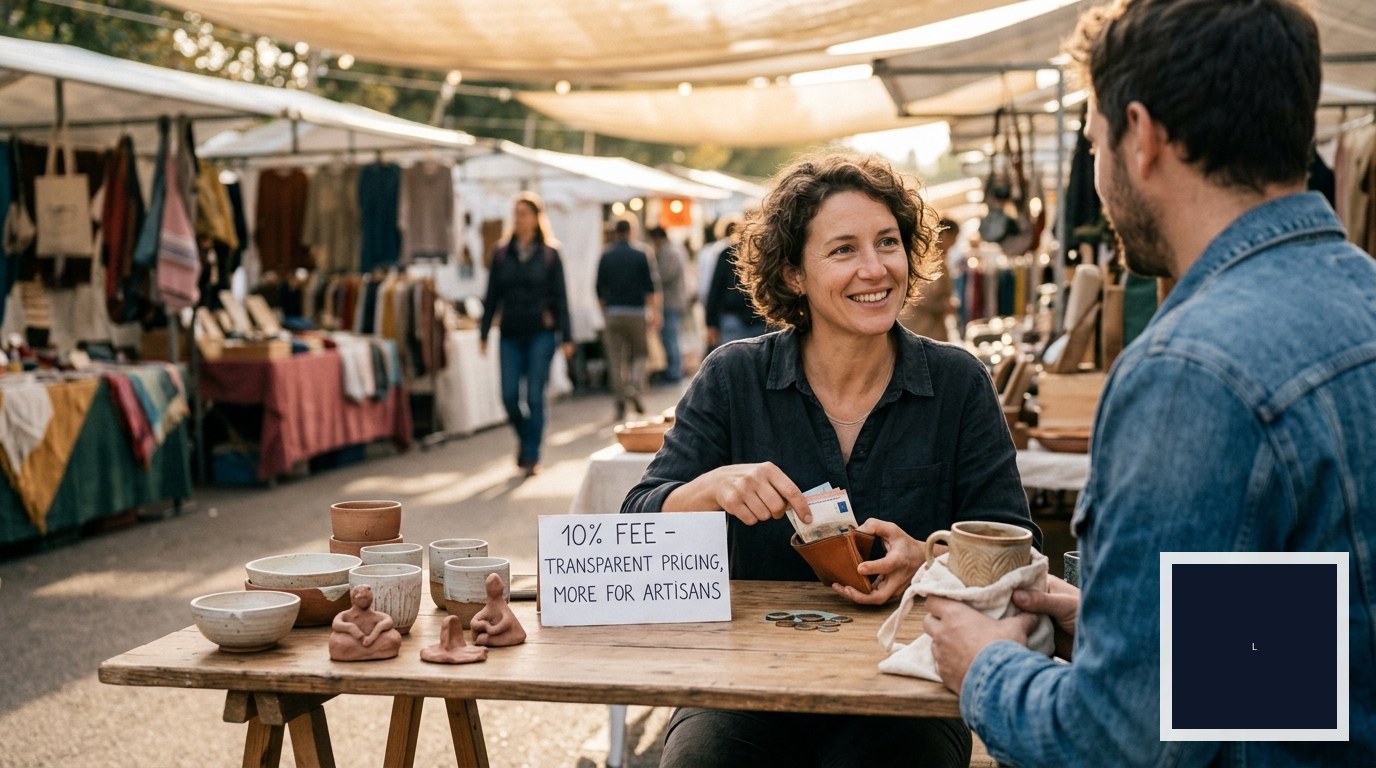
Lumo charges 10%. Flat.
Not introductory. Not promotional. Not "10% for your first three months." Just 10%, whether you're delivering tacos, fixing a fence, or listing your couch for sale.
The Math Actually Matters
Let's say you're a handyperson charging $100 for a job.
- On TaskRabbit (20% fee): You take home $80
- On Lumo (10% fee): You take home $90
That's $10 more per job. Do twenty jobs a month? That's $200 extra. Over a year? An extra $2,400 in your pocket—not theirs.
Or flip it around: you're a customer. A restaurant marks up their delivery prices to offset DoorDash's fees. A dasher gets paid less because there's less to go around. You pay more, they earn less, and somewhere in the middle, 30% evaporates into shareholder value.
What We're Not Doing (And Why)
Here's the honest part: we charge less because we spend less.
We're not running Super Bowl ads. We're not paying millions to sponsor sports arenas or plaster our logo on city buses. We're not building a fleet of electric scooters or ghost kitchens or whatever the latest pivot is.
- Massive customer acquisition spending (those Facebook ads aren't cheap)
- Armies of customer service reps managing complex disputes
- Expensive insurance and safety infrastructure
- Investor expectations for hockey-stick growth
Lumo operates leaner. Our growth comes from word-of-mouth and people realizing they're tired of getting fleeced. Our customer service is solid but not staffed 24/7 with white-glove concierge treatment. Our technology works, but we're not reinventing the wheel every quarter to impress venture capitalists.
The Trade-Offs (Because There Are Some)
We're not pretending 10% commission means we're perfect.
Our platform might not have every bell and whistle. We don't have an algorithm predicting what you want for lunch before you know it yourself. We won't have nationwide TV commercials making us a household name by next month.
Some big platforms offer provider protections we can't match dollar-for-dollar—injury insurance, earnings guarantees, equipment financing. We cover the essentials, but if you want gold-plated everything, that costs money. Specifically, it costs 20% extra.
And yes, network effects matter. A platform with more users can mean more opportunities. But here's the thing: they built that network on the backs of providers earning less and customers paying more. We're building ours on a simple premise—keep more of what you earn, pay less for what you buy.
More Money Where It Belongs
Every percentage point matters.
When you're a gig worker living job-to-job, an extra 10-20% isn't abstract—it's groceries. It's rent. It's the difference between this being worth your time or not.
When you're a small business already operating on thin margins, saving 15-20% on commission means staying competitive without jacking up prices or cutting corners.
When you're a customer just trying to get dinner delivered or your bathroom painted, lower platform fees mean providers can charge fair rates without platforms taking an outsized cut.
The big guys will tell you their fees fund innovation, safety, and scale. Sometimes that's true. Often, it funds market dominance, executive bonuses, and trying to squash competitors like us.
The Bottom Line
Lumo charges 10% because we believe the money should stay with the people actually doing the work and the people actually paying for it.
We're not going to be the biggest platform tomorrow. We might never be. But we can be the fairest one. The one where providers earn more, customers pay less, and the math actually makes sense.
No gimmicks. No bait-and-switch. Just a better deal.
If you're tired of platforms treating your hard-earned money like their personal piggy bank, maybe it's time to see what 10% feels like. Whether you're offering services or looking for them, Lumo's built for people who believe a fair shake shouldn't be revolutionary—it should be standard.