
How to Book Handyman Repairs Before Selling or Renting Your Home
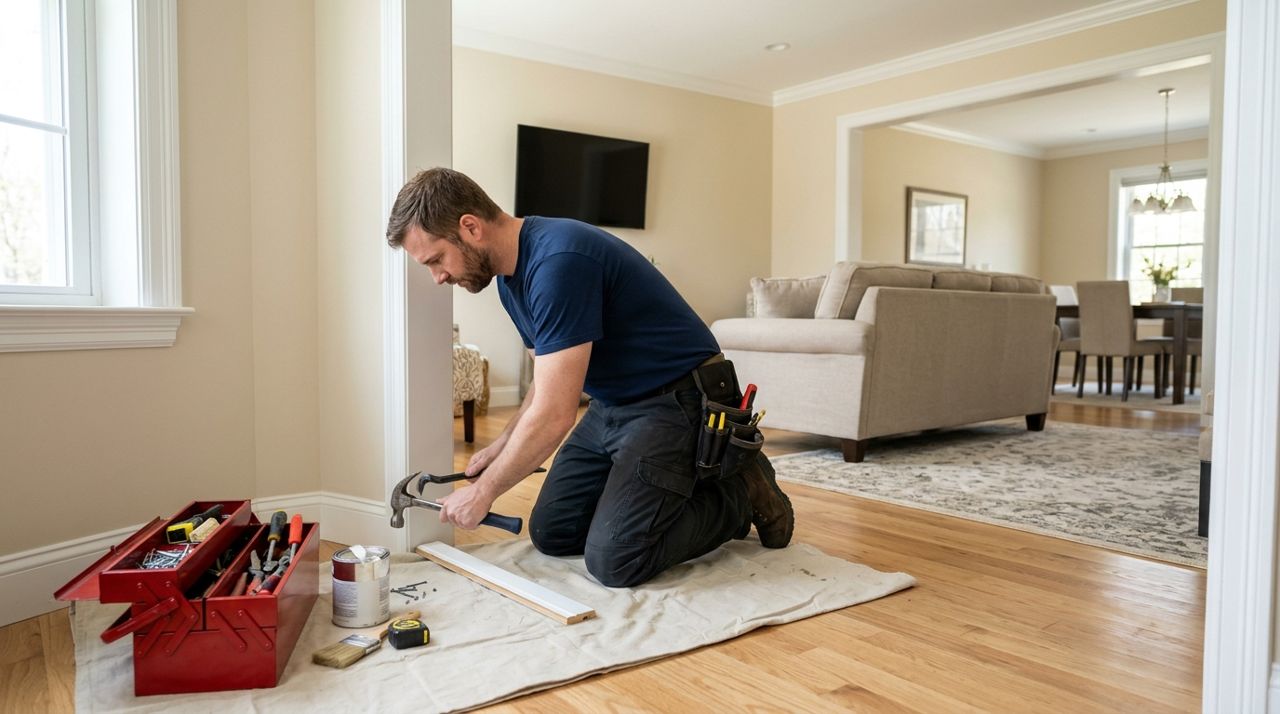
That leaky faucet, loose doorknob, and chipped baseboard might not seem like a big deal to you, but they scream 'deferred maintenance' to buyers and renters. Homes that show well sell faster and rent for more—often hundreds or thousands of dollars more. According to NAR's Remodeling Impact Report, even minor repairs can recoup 100% of their cost and speed up sale time by weeks.
This guide walks you through identifying what needs fixing, booking reliable handyman help, managing the work efficiently, and making sure everything's done before your listing goes live. Whether you're selling or preparing a rental property, you'll learn how to handle repairs without the hassle of juggling multiple contractors or blowing your budget.
- 01
Step 1: Walk Through Your Home Like a Buyer or Renter Would
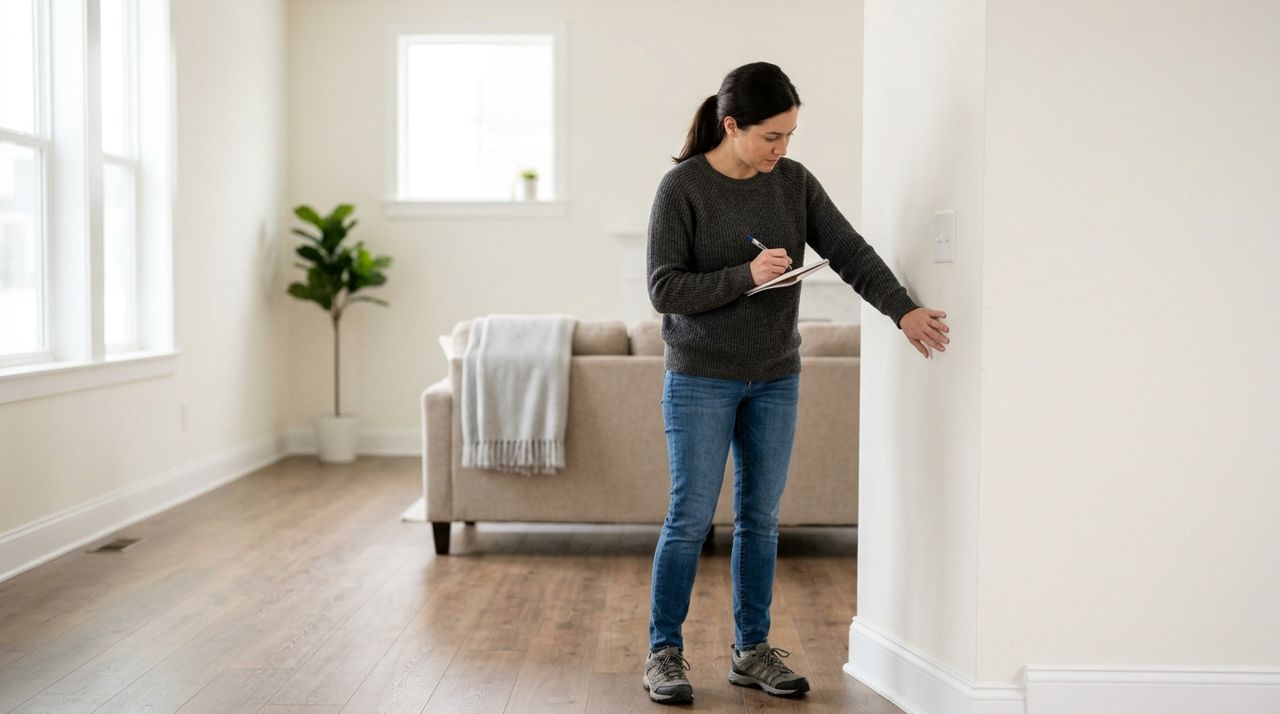
Homeowner inspecting walls and fixtures during a home walk-through inspection Grab a notebook and tour every room as if you're seeing it for the first time. Turn on every faucet, flip every light switch, open and close all doors and windows. Look at baseboards, walls, ceilings, and floors with fresh eyes.
- Dripping faucets or running toilets
- Loose cabinet hardware or handles
- Holes or cracks in walls from removed fixtures
- Sticking doors or windows
- Missing or broken outlet covers
- Chipped paint or caulking
Take photos of each issue and note its location. This list becomes your scope of work. If possible, have a friend or your real estate agent do the same walk-through—they'll catch things you've become blind to.
- 02
Step 2: Prioritize Repairs by Impact and Cost
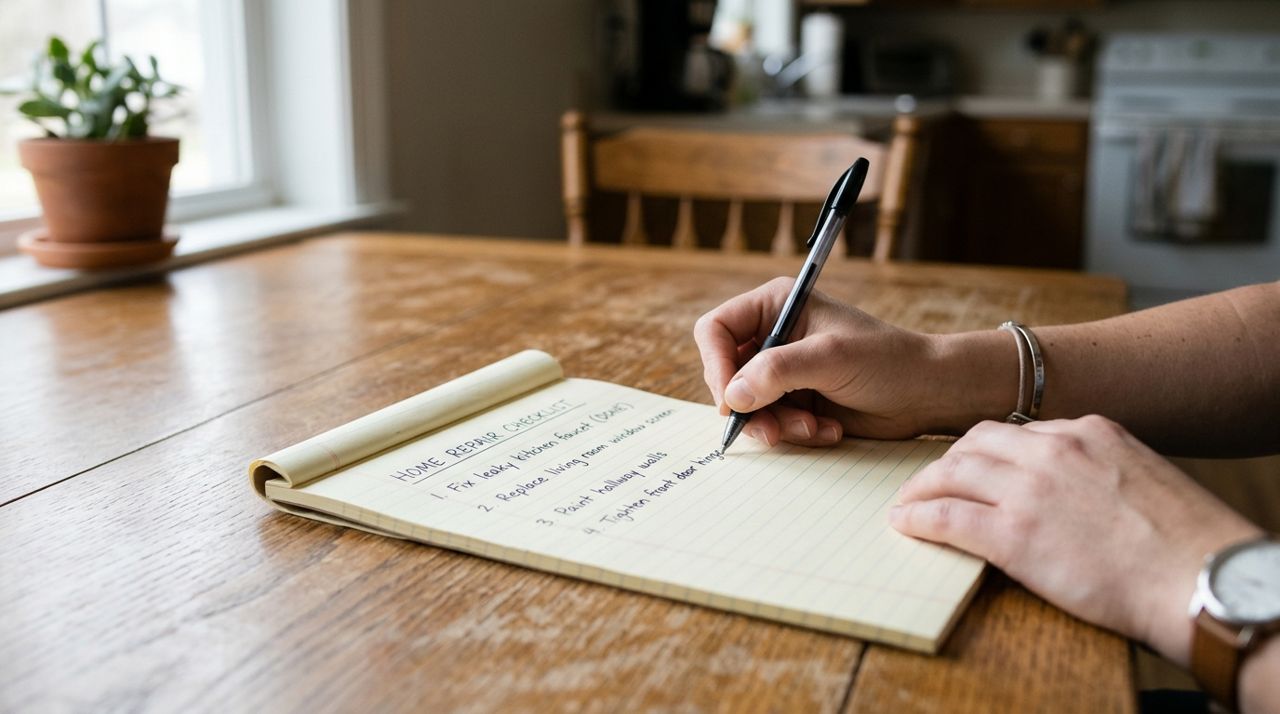
Hand writing a prioritized home repair checklist on paper with pen Not every repair carries the same weight. Focus first on items that affect safety, function, or first impressions. Safety issues—loose railings, electrical problems, broken locks—must be fixed. Next come functional problems like leaky plumbing or doors that don't latch. Finally, cosmetic issues that catch the eye: patched drywall holes, fresh caulk, paint touch-ups.
Estimate costs as you go. Most handyman services charge $60-$150 per hour depending on your city, or quote flat rates for specific tasks. A typical pre-listing repair list—patching five nail holes, fixing two leaky faucets, replacing three outlet covers, adjusting a door—often runs $200-$500 total. Make a high-priority list you can hand to a pro, and a second 'if budget allows' list.
- 03
Step 3: Book Your Handyman Through an On-Demand Service
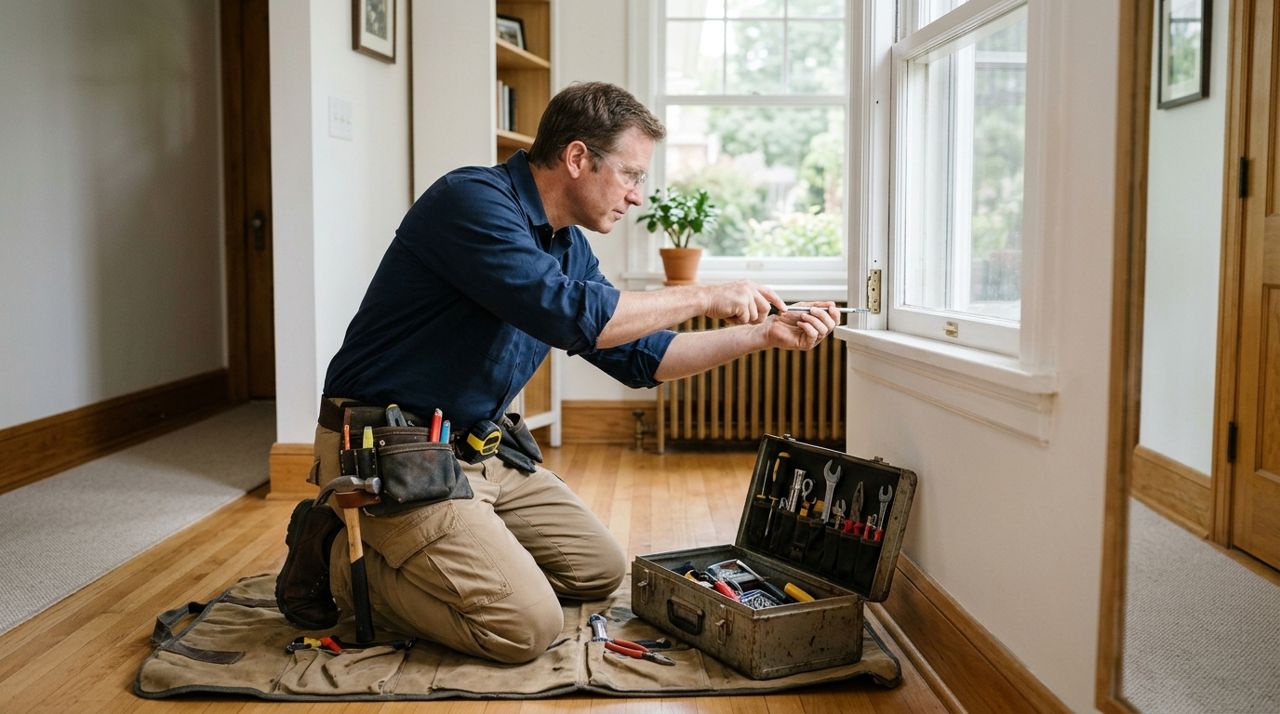
Professional handyman with tools repairing home fixtures and making small adjustments Rather than calling around and waiting days for quotes, use an on-demand platform. Open Lumo, pick the Worker mode welcome option, then find the Handyman category. You'll see local pros available for small repairs, with ratings, response times, and typical rates.
Describe your repair list clearly: 'Need five nail holes patched, two faucet washers replaced, one door hinge tightened, three outlets covers installed.' Attach the photos you took earlier. Many pros will give you a flat quote for the whole list. You can message back and forth to clarify details before committing.
Check reviews carefully. Look for comments about punctuality, quality, and whether they cleaned up afterward. Book someone with at least a 4.5-star rating and a dozen-plus completed jobs.
- 04
Step 4: Confirm Timing and Access Details
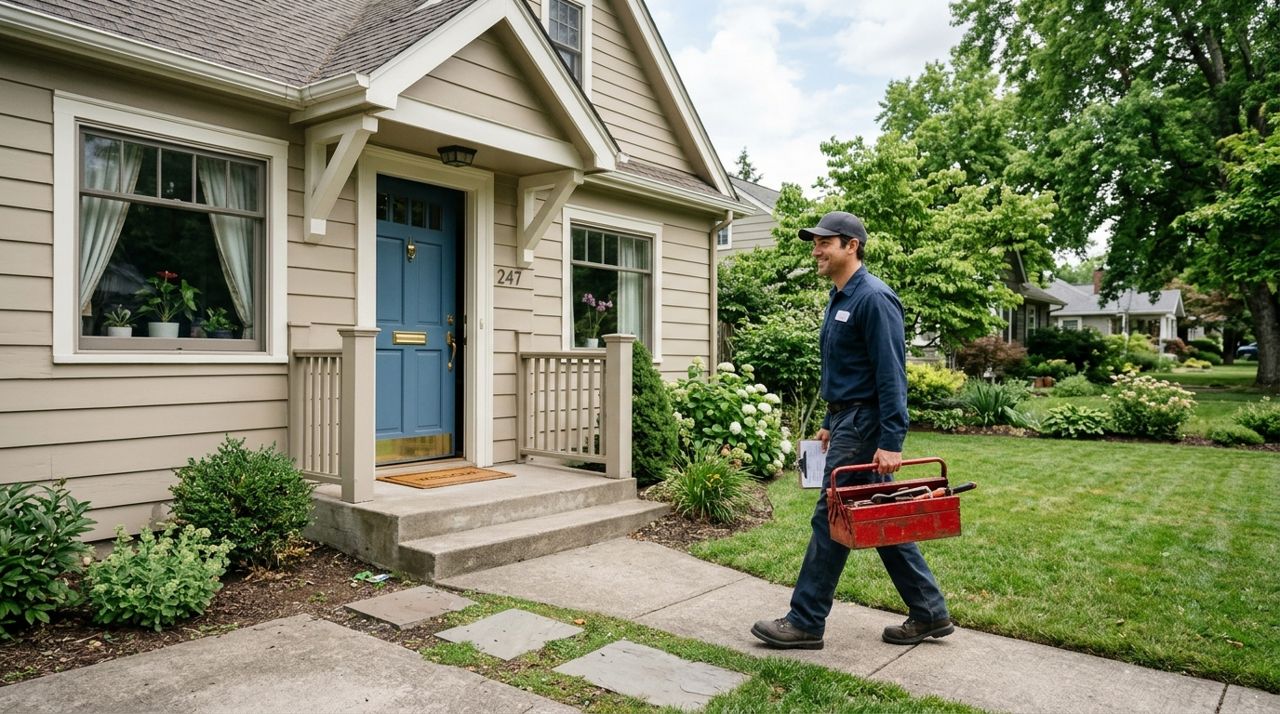
Handyman arriving at front door with toolbox for scheduled home repair appointment Once you've booked, confirm exactly when the pro will arrive and how they'll get in. If you're still living in the home, meeting them there is simplest. If the property is vacant or you're managing remotely, arrange key pickup or a lockbox code.
Ask how long they estimate the work will take. A typical repair list of 5-8 small tasks usually takes 2-4 hours. If your home needs more extensive work—like repairing multiple doors, re-caulking two bathrooms, and extensive patching—expect a full day or split across two appointments.
Have a plan for immediate follow-ups. Sometimes a 'simple fix' reveals a bigger problem—a leaky faucet might need a new valve, not just a washer. Agree upfront that the pro will text or call if they find anything unexpected before proceeding.
- 05
Step 5: Provide a Complete Walk-Through and Clear Instructions
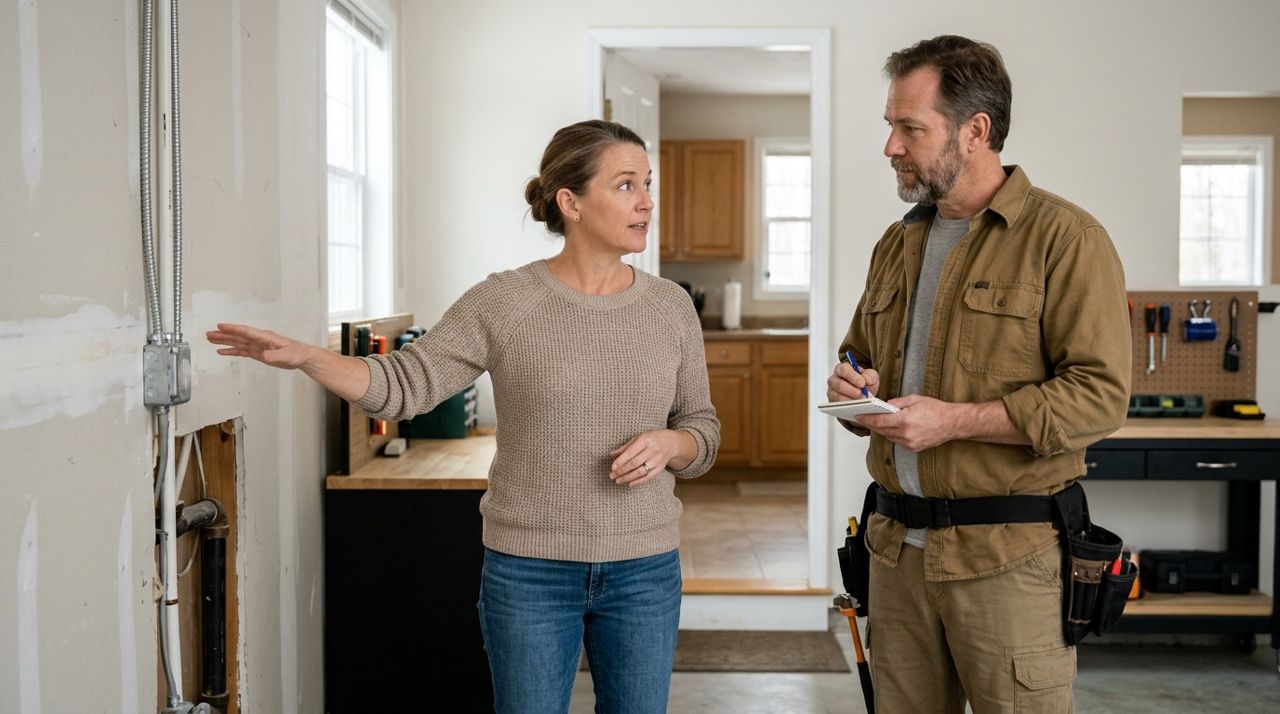
Homeowner showing handyman specific repair locations and explaining needed fixes in home When the handyman arrives, walk them through each repair location. Point out the five nail holes in the living room, the dripping faucet in the hall bath, the sticking bedroom door. If you have preferred methods—like using spackle instead of caulk for drywall, or matching existing paint—say so now.
Leave any supplies you've already purchased in plain sight: spackle, paint for touch-ups, new outlet covers, replacement hardware. Most pros bring basic supplies and can pick up anything else, but having materials ready saves time and cost.
If you can't be there the whole time, give clear guidance: 'I'll be back at 2 p.m.; text me when you're done and I'll do a walk-through before you leave.' In-app messaging makes this simple.
- 06
Step 6: Inspect the Work and Handle Payment
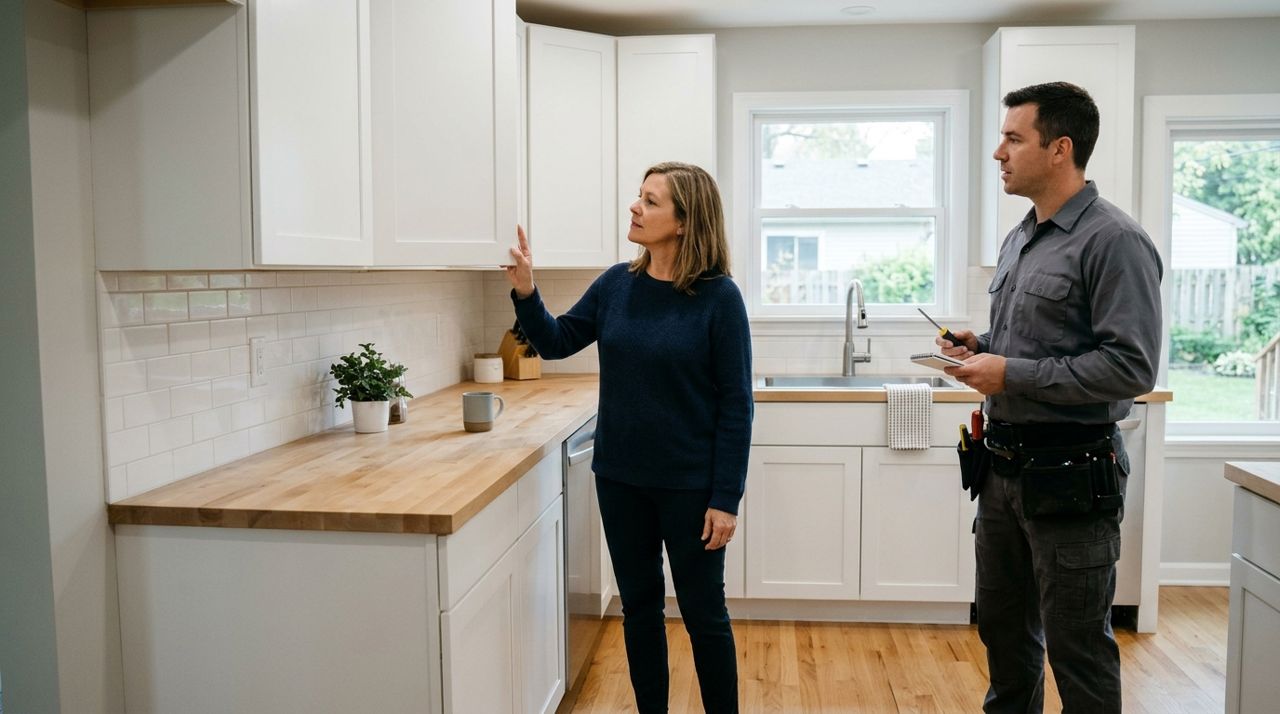
Person inspecting freshly completed home repairs and checking quality of handyman work Before the handyman leaves, inspect every repair together. Run the faucet to confirm no drips. Open and close the adjusted door. Check that patched holes are smooth and level. If anything isn't right, ask them to fix it on the spot—it's much easier than a callback.
Payment happens securely through the app. The platform holds your payment until you confirm the work is done, then releases it to the pro. You'll be prompted to tip; 10-20% is standard for quality work, especially if the pro went above and beyond or finished faster than expected.
Leave an honest review. Mention specifics: 'Fixed all six items in under three hours, cleaned up completely, very professional.' Good reviews help other homeowners and reward quality pros.
- 07
Step 7: Document Everything for Your Listing
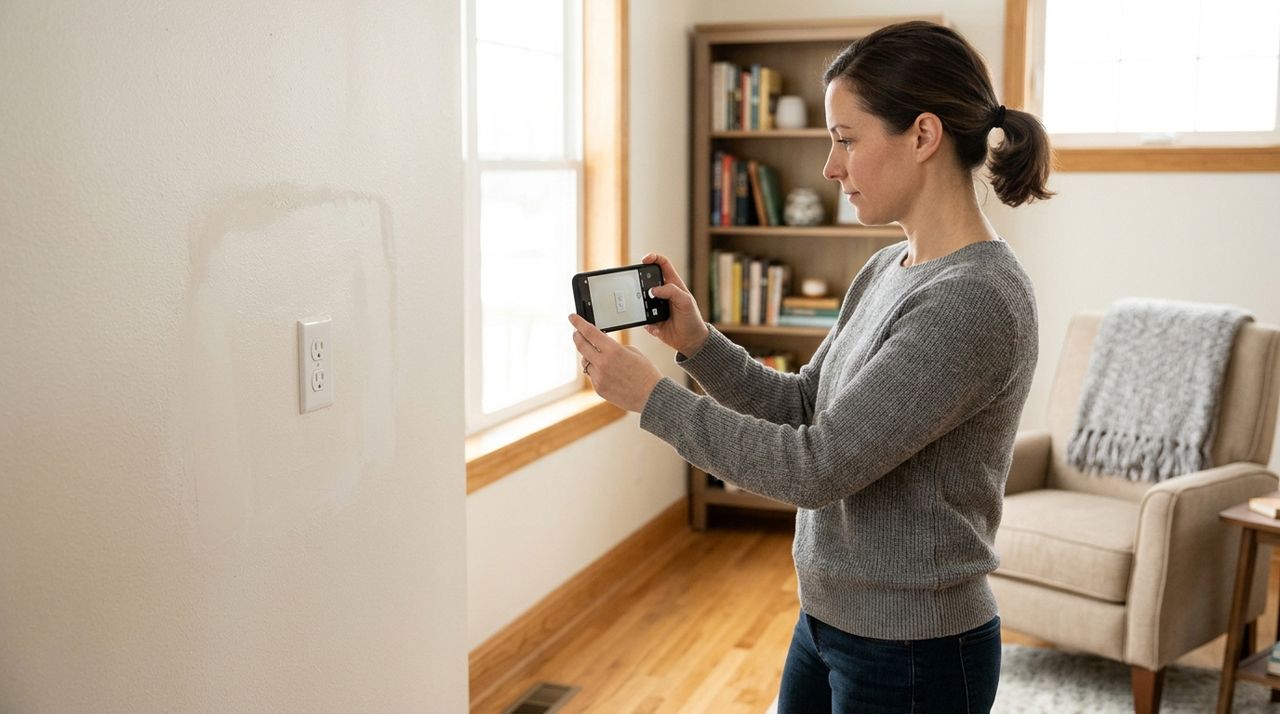
Taking photos of completed home repairs with smartphone for documentation and records Take 'after' photos of every repair. These are valuable if a buyer's inspector questions whether something was fixed, or if a renter later claims pre-existing damage. File them with your repair receipts.
If you made functional repairs—plumbing, electrical, safety items—keep the service records. Some buyers and many landlord insurance policies want documentation of recent maintenance. A simple folder labeled 'Pre-Listing Repairs' with photos, receipts, and a dated summary protects you later.
Update your listing agent or property manager about what was fixed. They can reassure prospective buyers or renters that the home has been well-maintained, and your home will show better during tours. Small repairs signal that the big stuff has probably been cared for, too.
Pro tips
- Bundle repairs into one appointment—most handymen offer better rates when you have a list rather than individual calls.
- Book at least two weeks before your listing goes live; this gives you buffer time if something needs a second visit or a specialist.
- Keep a small stash of your home's paint colors, extra tiles, and hardware samples—they make touch-ups and replacements much easier.
- Ask your real estate agent which repairs actually matter; some things you think are issues won't affect sale price or time on market.
Frequently asked questions
- How much should I budget for pre-listing handyman repairs?
- Most homes need $300-$800 in small repairs before listing. Budget $500 as a starting point. If you have a longer list or structural issues like rotted wood or major drywall damage, expect $1,000-$2,500. Get quotes before committing.
- Should I fix cosmetic issues or just drop the price?
- Fix them. Buyers and renters discount heavily for visible problems—a $200 repair might cost you $2,000 in negotiating power or lost rental income. Homes in move-in condition rent faster and sell for 5-10% more than comparable fixer-uppers.
- Can I use the same handyman for painting, plumbing, and electrical work?
- For minor tasks—patching drywall, replacing a faucet washer, swapping outlet covers—yes, a good handyman can handle it all. For anything requiring a permit or involving gas, major electrical, or structural work, hire a licensed specialist instead.
Small repairs before listing make a big difference in how quickly your home sells or rents and for how much. By systematically identifying issues, booking a reliable pro through a platform like Lumo, and documenting the work, you'll present a home that shows pride of ownership and justifies your asking price. A few hundred dollars and a morning of work often return thousands in your pocket.
Photos are illustrative. Service prices are typical ranges and vary by city. How we write our guides.
More guides like this
How to Hire a Handyman to Mount Your TV and Hang Shelves
Mounting a TV and hanging shelves sounds simple until you're staring at studs, anchors, and a level. Here's how to hire a handyman who'll get it done right the first time.
How to Get Flat-Pack Furniture Assembled the Same Day
That flat-pack bookshelf or dresser doesn't have to sit in the box for weeks. Here's how to find a local handyman and get furniture assembled the same day, stress-free.
How to Hire a Handyman to Fix a Leaky Faucet and Running Toilet
A dripping faucet and running toilet waste gallons of water and drive up your bill. Here's how to find a qualified local handyman, what to prepare before they arrive, and what fair pricing looks like.