
How In-App Payments Keep Your Money Safe When Hiring Local Pros

You need a cleaner, a handyman, or someone to mow your lawn. You find someone online, they quote a price, and then comes the awkward part: do you pay upfront? Hand over cash when they arrive? What if they disappear halfway through or do shoddy work?
This is where secure in-app payments make all the difference. When you book local pros through a platform, your payment is held safely until the job is complete and you're satisfied. Here's exactly how these payment protections work and what they mean for you as a customer.
- 01
Step 1: Your card details never leave the secure payment system

Person securely entering payment information on smartphone screen with lock icon overlay When you add a credit or debit card to an app like Lumo, your card information is encrypted and stored by a certified payment processor—not by the app itself and never shared with the worker. This is the same encryption banks use.
Every time you book a job, the payment system charges your card and holds the funds in escrow. The pro never sees your card number, CVV, or billing address. If you pay a house cleaner $120 for a three-hour job, that $120 leaves your account immediately but doesn't go to the cleaner yet—it sits in a secure holding account until the job is done. This separation protects both your financial information and your money.
- 02
Step 2: Funds are held until you confirm the job is complete
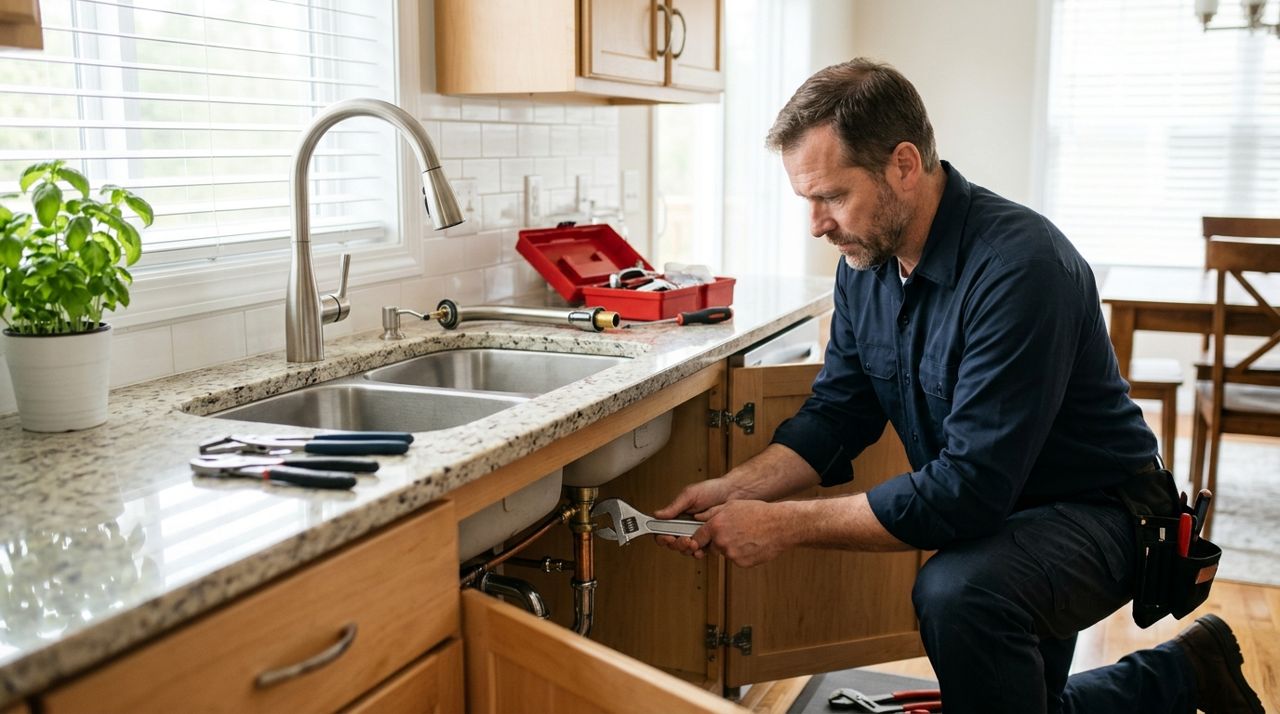
Professional handyman repairing kitchen sink faucet with tools in residential home Here's the key protection: the pro doesn't receive your payment until the job is finished. When a handyman accepts your request to fix a leaky faucet for $85, that money is authorized on your card but held by the platform.
Only after the handyman marks the job complete and you have a chance to review the work does the payment release. Most platforms give you 24 to 48 hours to dispute if something's wrong. If the pro disappears mid-job or never shows up, they don't get paid—and you can request a refund. This escrow model is standard in gig platforms and removes the biggest risk of hiring strangers: paying someone who vanishes or does terrible work.
- 03
Step 3: You communicate through the app, creating a record

Close-up of hands typing message on smartphone messaging app interface screen In-app messaging isn't just convenient—it's a paper trail. When you and the pro discuss job details, timing, or any issues, those messages stay in the platform.
If you hire someone to deep-clean your house and they only vacuum the living room, your messages ('Can you please scrub the bathrooms as we discussed?') become evidence if you need to dispute the charge. Cash transactions and outside texting leave you with no proof. The timestamped chat log, combined with the job listing and agreed price, gives you clear documentation. Platforms can review this record if there's a payment dispute, and it's far more credible than 'he said, she said.'
- 04
Step 4: Ratings and reviews give you recourse beyond the refund

Person rating service experience with five stars on mobile phone review screen After every job, you can rate the pro and leave a public review. This might seem like a small thing, but it's a powerful accountability tool. A pro who regularly ghosts clients, shows up late, or does subpar work will accumulate bad reviews and lose future business.
If a lawn care worker damages your fence and refuses to fix it, your one-star review warns the next 50 customers. Pros know this, so most go out of their way to keep ratings high. The review system doesn't replace a refund, but it creates long-term consequences for bad behavior—something impossible with a Craigslist ad and a cash payment. It also helps you choose wisely in the first place by reading others' experiences.
- 05
Step 5: Dispute a charge if the work isn't done right

Damaged lamp and household items on floor after moving or cleaning incident Most platforms let you open a formal dispute within 24 to 48 hours of job completion. If your house cleaner didn't show up, left early, or the moving helper broke your lamp, you can contest the charge directly in the app.
You'll describe what went wrong, upload photos if needed, and the platform investigates by reviewing messages, job details, and both sides' accounts. If the platform sides with you, they refund part or all of the payment. Compare that to paying cash: if the worker pockets your $150 and does half the job, your only recourse is small claims court. In-app disputes are faster, free, and don't require a lawyer. The platform has a financial stake in fairness—if customers get burned repeatedly, they stop using the service.
- 06
Step 6: Tips are separate and always optional

Smartphone screen showing tip selection buttons with percentage options for service worker After the job, you'll have the option to tip—often 10%, 15%, 20%, or a custom amount. The tip is a separate charge, processed after you confirm the work is satisfactory, and 100% of it goes to the worker.
This separation matters: if you're unhappy with the job, you're not obligated to tip, and you can still dispute the base payment. If you pay someone $200 cash upfront and they do a mediocre job, that money's gone. With in-app payments, the base fee and the tip are two distinct transactions. You control both. Tips reward good work; they don't subsidize poor performance or let a platform underpay workers at your expense.
- 07
Step 7: If something goes very wrong, the platform is liable

Insurance claim documentation and damaged interior home property being inspected and photographed In the rare case of fraud or a serious problem—say, a pro uses a stolen identity or causes property damage and disappears—the platform itself is on the hook in ways an individual contractor isn't.
Reputable platforms carry insurance and have formal processes for serious claims. If you paid someone off-platform and they damage your home, you're chasing an individual (who may not have assets) through the courts. When payments run through an app, the company has both the records and the responsibility. Lumo and similar platforms benefit from users trusting the system, so they investigate fraud aggressively and, when warranted, ban bad actors and process refunds. Your payment method is also protected: if you used a credit card, you have an additional layer of chargeback rights through your card issuer.
Pro tips
- Always communicate in-app. Texts or calls outside the platform aren't recorded and can't help you in a dispute.
- Take before-and-after photos of your space, especially for cleaning, moving, or yard work. They're useful evidence if something goes wrong.
- Check a pro's ratings and read at least three recent reviews before booking. One bad review might be a fluke; a pattern is a red flag.
- Report problems immediately. Most dispute windows are 24 to 48 hours, and waiting a week makes your case harder to prove.
Frequently asked questions
- What if the pro asks me to pay outside the app to 'save on fees'?
- Never do it. Paying outside the app means you lose all protections—no escrow, no dispute process, no records, no insurance. Pros who ask for this are either inexperienced or planning to scam you. Report them to the platform.
- How long does it take to get a refund if I dispute a charge?
- Most platforms investigate disputes within two to five business days. If they approve your refund, the money typically returns to your card in three to seven days depending on your bank. It's slower than cash but far faster than small claims court.
- Can I tip in cash instead of through the app?
- Yes, but tipping in-app is easier and creates a record. Some pros prefer cash tips to avoid any processing delays, but either way, the tip is separate from the job payment and always optional based on the quality of work.
Hiring local help shouldn't feel like a gamble. Secure in-app payments—escrow, encrypted cards, messaging records, dispute processes—turn a risky cash handoff into a transparent, accountable transaction. Whether you're booking a cleaner, a mover, or a dog walker, these protections mean you pay for work that's actually done, and done well. Next time you need a pro, choose a platform that keeps your money safe until the job is finished.
Photos are illustrative. Service prices are typical ranges and vary by city. How we write our guides.
More guides like this

How to Choose a Trustworthy Local Pro Using Ratings and Reviews
Before you hand your house keys to a cleaner or let a handyman into your home, you need to know they're trustworthy. Here's how to read ratings, reviews and profiles to find pros you can count on.

How to Message a Pro Before Booking: Set Clear Scope & Price
Messaging a pro before you book helps you set clear expectations, confirm what's included, and agree on a fair price. Here's how to handle that conversation so everyone's on the same page.

How Food Delivery Works: From Browsing Menus to Getting Dinner
Ordering dinner for delivery is simple once you know the process. This guide walks through every step from browsing restaurants to getting your meal at the door.