
How to Become a Mobile Notary and Get Signing Appointments

Mobile notaries travel to clients instead of waiting for clients to come to them. Most work centers on loan signings—mortgage closings, refinances and home equity lines—but you'll also notarize powers of attorney, affidavits, trusts and business documents. The typical loan signing takes 60-90 minutes and pays $75-$200 depending on your market and experience.
This guide walks you through getting your notary commission, bonding and insurance, passing the loan signing certification, marketing your services, and managing appointments. You'll see real costs, timelines and what to expect in your first month.
- 01
Step 1: Get your notary commission

Notary public embosser seal and rubber stamp on a wooden desk Apply through your state's commissioning authority (usually the Secretary of State). Requirements vary: California requires a six-hour course and exam; Florida needs a three-hour course; Texas has no course requirement but charges $21 for a four-year commission. Most states require a background check ($40-$75) and an application fee ($20-$120).
The commission process takes 4-8 weeks. You'll receive a commission certificate with an expiration date (typically four or ten years). Order your supplies before the certificate arrives: an embosser seal ($25-$45), stamp ($20-$35), and notary journal ($15-$25). Some states require specific seal formats, so check your state's handbook first.
- 02
Step 2: Get bonded and insured

Business insurance certificate document on a desk with a pen Every state requires a surety bond (typically $5,000-$15,000 coverage) that protects the public if you make an error. The bond costs $40-$100 and lasts for your commission term. You'll need it before taking your oath of office.
Buy errors and omissions (E&O) insurance separately. The bond doesn't protect you; E&O does. Start with $25,000 coverage ($150-$200/year) or $100,000 if you'll do loan signings ($300-$400/year). Loan signing companies often require proof of $100,000 E&O before they'll assign you jobs. The National Notary Association and smaller providers sell both bonds and E&O policies online with same-day certificates.
- 03
Step 3: Get loan signing certified

Person taking an online certification course on a laptop at home General notary work (affidavits, acknowledgments, powers of attorney) doesn't require extra training, but loan signings do. The National Notary Association's Loan Signing Agent course costs $199 and takes 4-6 hours online. You'll learn the closing disclosure, promissory note, deed of trust and right to cancel, plus how to guide signers without giving legal advice.
Pass the final exam (open-book, 30 questions, 80% to pass) and you'll receive a certificate that signing services recognize. Some signing services accept the NNA credential; others (Signing Order, Notary2Pro, Sign & Thrive) offer their own certifications for $50-$150. Take the NNA course first; it's the industry standard.
- 04
Step 4: Create profiles on signing platforms

Person creating a professional profile on a computer screen Signing services connect notaries with title companies and escrow offices. Register on multiple platforms to see more orders:
- Signing Order (free)
- Snapdocs (free, but high competition and lower fees)
- NotaryCafe ($50/year)
- 123notary ($120/year for top placement)
- Notary Rotary (free)
Fill out every field: background-screened, E&O amount, counties you serve, radii you'll travel, laser printer (required for most closings), scanback capability (scan and email documents the same night). Upload your commission certificate, E&O policy and signing certification. The more complete your profile, the more orders you'll see.
- 05
Step 5: Set your fees and availability
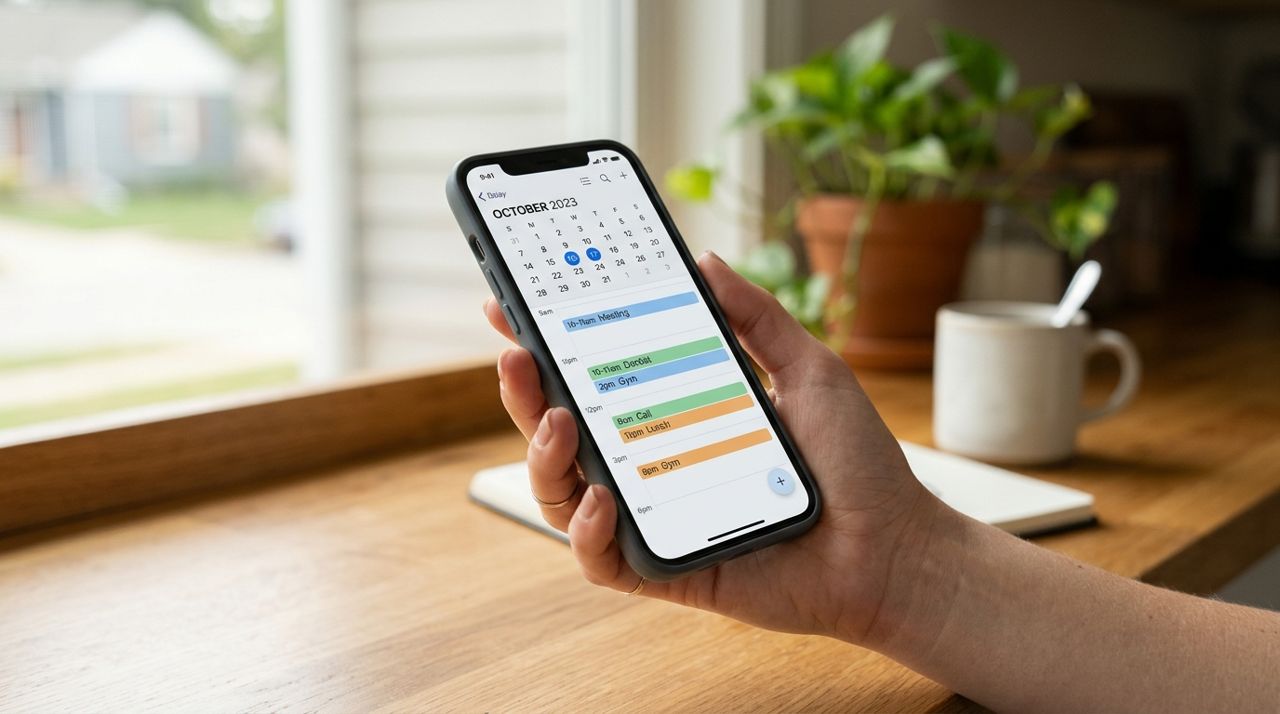
Hand holding smartphone showing calendar with scheduled appointments New signing agents typically charge $75-$100 per closing; experienced agents in metro areas get $125-$200. Signing services take a cut, so a $150 order might pay you $75-$100. Direct clients (attorneys, real estate agents, mortgage brokers you contact yourself) pay full fees with no middleman.
Decide your travel radius. Most notaries start with 20-30 miles and expand as they get efficient. Factor in drive time: a $100 signing 40 miles away might take three hours door-to-door, while two $75 signings within ten miles of each other earn more per hour. Set your availability in each platform—evening and weekend slots book fastest because that's when borrowers are home.
- 06
Step 6: Market to direct clients

Professional exchanging business cards during a handshake meeting Signing services are easiest for beginners, but the real money is in direct relationships. Make a list of every title company, escrow office, estate planning attorney, real estate office and mortgage broker within 30 miles. Visit in person with business cards, or send an introductory email with your commission certificate, E&O coverage and service area.
Ask real estate agents at open houses if they need a notary for purchase agreements or listing paperwork. Senior living facilities, hospitals and hospices need notaries for powers of attorney and healthcare directives. Businesses need notarized contracts and affidavits.
Apps like Lumo let local pros offer notary services directly to customers who book and pay in-app. Set your radius, choose 'Notary' as a service type, and go on duty when you're available. You keep 90% of what you charge.
- 07
Step 7: Run your first appointments

Notary public meeting with client at a table reviewing documents Confirm every appointment the day before: call the signer, verify the address, confirm ID requirements (one photo ID in most states, two in some) and ask how many signers will be present. Print the documents an hour early and organize them in signing order.
Arrive five minutes early. Introduce yourself, check IDs, explain what you can and cannot do (you witness signatures and verify identity; you don't explain the loan terms or legal language), then guide the signer page by page. Complete your journal entry (date, document type, signer's name, ID details, thumbprint if required) and apply your seal to each notarial certificate.
Scan the documents and email them to the title company that night (most require scanbacks within two hours). Ship originals the next morning via FedEx or UPS as instructed. You'll be paid in 15-45 days depending on the signing service.
Pro tips
- Buy a portable scanner ($120-$180) and a laser printer ($150-$250). Inkjet printers smudge, and signings print 100-200 pages.
- Keep a mileage log. You can deduct $0.67/mile (2024 rate) for travel to and from signings.
- Join your state notary association ($50-$100/year) for updates on law changes and networking events.
- Block out three-hour windows for loan signings: one hour to print and prep, one hour for the appointment and drive, one hour to scan and ship.
Frequently asked questions
- How much do mobile notaries actually make?
- Part-timers doing 3-5 signings a week earn $1,200-$2,500/month. Full-time notaries completing 15-25 signings a week report $4,000-$8,000/month before expenses. Your market, speed and direct client relationships determine your ceiling. Expect to earn less your first two months while you build reputation and speed.
- Can I do this with a full-time job?
- Yes. Most loan signings happen between 5-9 p.m. on weekdays and all day Saturday. If you can take appointments two weeknights and Saturday morning, you'll see steady work. Many notaries start part-time and transition to full-time once they've built a client base.
- What's the hardest part for beginners?
- The first five signings are stressful because you're learning the documents and building confidence. Record a practice run at home so you're comfortable with the flow. The second challenge is cash flow: signing services pay 30-45 days after the appointment, so budget for that gap.
Becoming a mobile notary takes 6-10 weeks and $500-$800 upfront, but once you're commissioned and certified you control your schedule and your rates. Your first month will feel slow as you learn the documents and build profiles; by month three most notaries have steady evening and weekend appointments. If you like flexible work that pays by the job, not the hour, mobile notary work delivers.
Photos are illustrative. Service prices are typical ranges and vary by city. How we write our guides.
More guides like this

How to Start a Cleaning Side Hustle with Basic Supplies
You don't need a franchise or expensive equipment to start earning as a cleaner. With a few basic supplies and the right approach, you can book your first clients this week.

How to Start a Handyman Business with Just Your Toolbox
You already own the tools. This guide shows you how to turn them into a profitable handyman business, from pricing your first job to building a steady client base.

How to Start a Dog Walking & Pet Sitting Side Hustle in 2025
Dog walking and pet sitting can bring in $300-800 a week working part-time, and you set your own hours. Here's how to launch your pet care side hustle from day one.