
How to Start a Handyman Business with Just Your Toolbox
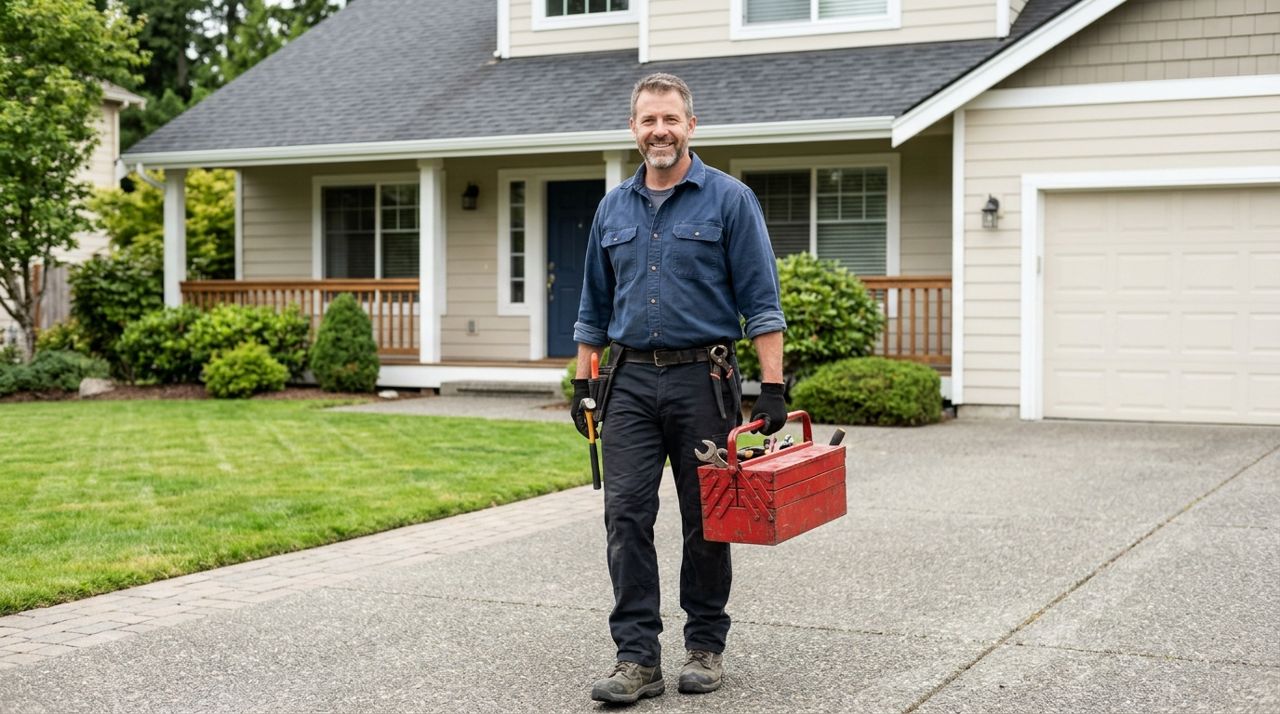
If you have a basic toolbox and know how to fix a leaky faucet, hang shelves, or patch drywall, you're sitting on a business. Handyman services are in constant demand—homeowners need help with small repairs that don't require a licensed contractor, and they'll pay $30 to $75 per hour depending on your city and the complexity of the work.
This guide walks through the practical steps to start earning as a handyman: deciding what services to offer, setting your rates, finding your first clients, and turning one-off jobs into repeat business. No business degree or fancy website required—just a willingness to show up on time and do solid work.
- 01
Step 1: List the services you can actually do well
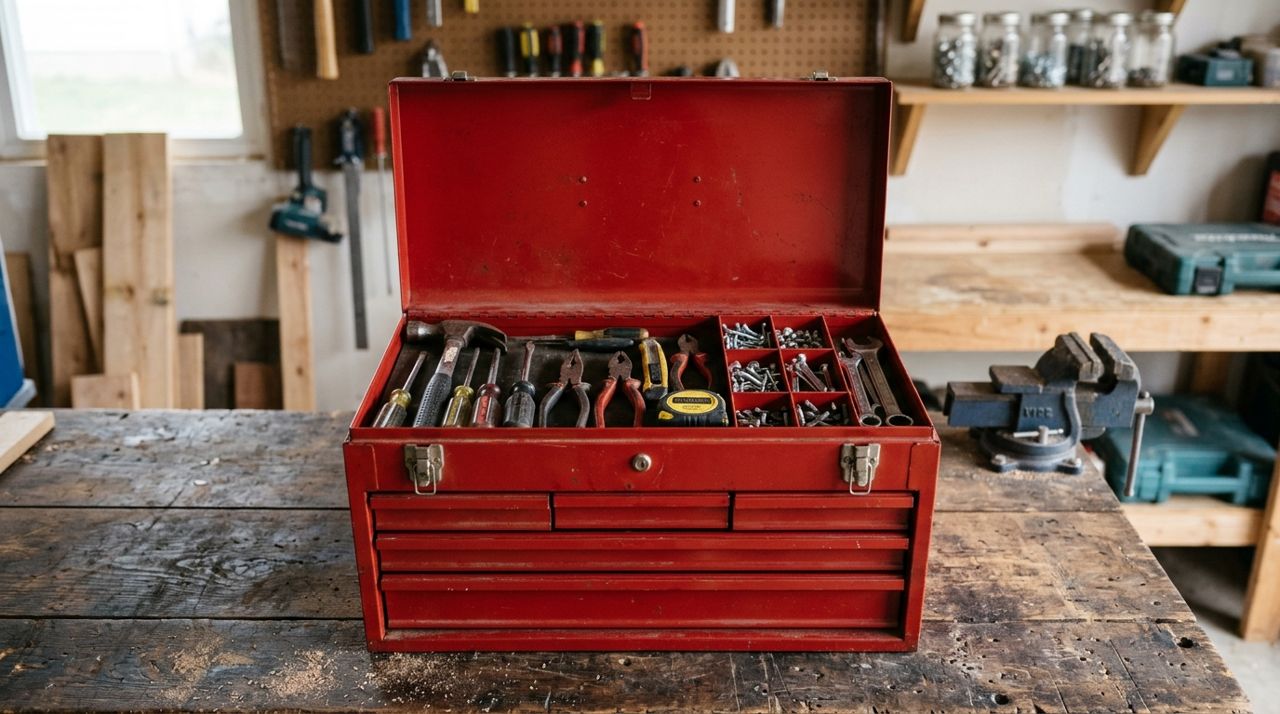
Open red toolbox with various hand tools organized in compartments on workshop table Start by writing down every repair or installation task you're confident handling. Be honest—your reputation depends on doing good work, not overpromising. Common handyman services include:
- Basic plumbing (faucet replacement, unclogging drains, toilet repair)
- Electrical (outlet/switch replacement, light fixture installation—check local licensing rules)
- Carpentry (shelf installation, door hanging, trim repair)
- Drywall (patching holes, hanging pictures, minor texture work)
- Assembly (furniture, grills, playground equipment)
- Painting (touch-ups, small rooms, trim)
- General home maintenance (weatherstripping, caulking, gutter cleaning)
Pick five to eight services to start. You can always expand as you gain experience and tools.
- 02
Step 2: Figure out what to charge

Person using calculator next to handwritten invoice and receipts on wooden desk Most handymen charge either by the hour or by the job. Hourly rates typically range from $30 in smaller markets to $75 in expensive metro areas. Job-based pricing works for tasks you can estimate accurately—like $80 to assemble a desk or $150 to install a ceiling fan.
Call three local handymen, describe a common job (like hanging a TV), and ask their rates. That gives you the local baseline. Price yourself slightly lower when you're starting out to build reviews, then raise rates as you get busier. Always include a one-hour minimum to make small jobs worth your drive time. Be clear about what's included: do you haul away old fixtures? Provide materials, or does the customer buy them? Put it in writing before you start.
- 03
Step 3: Get the basic legal and insurance pieces in place
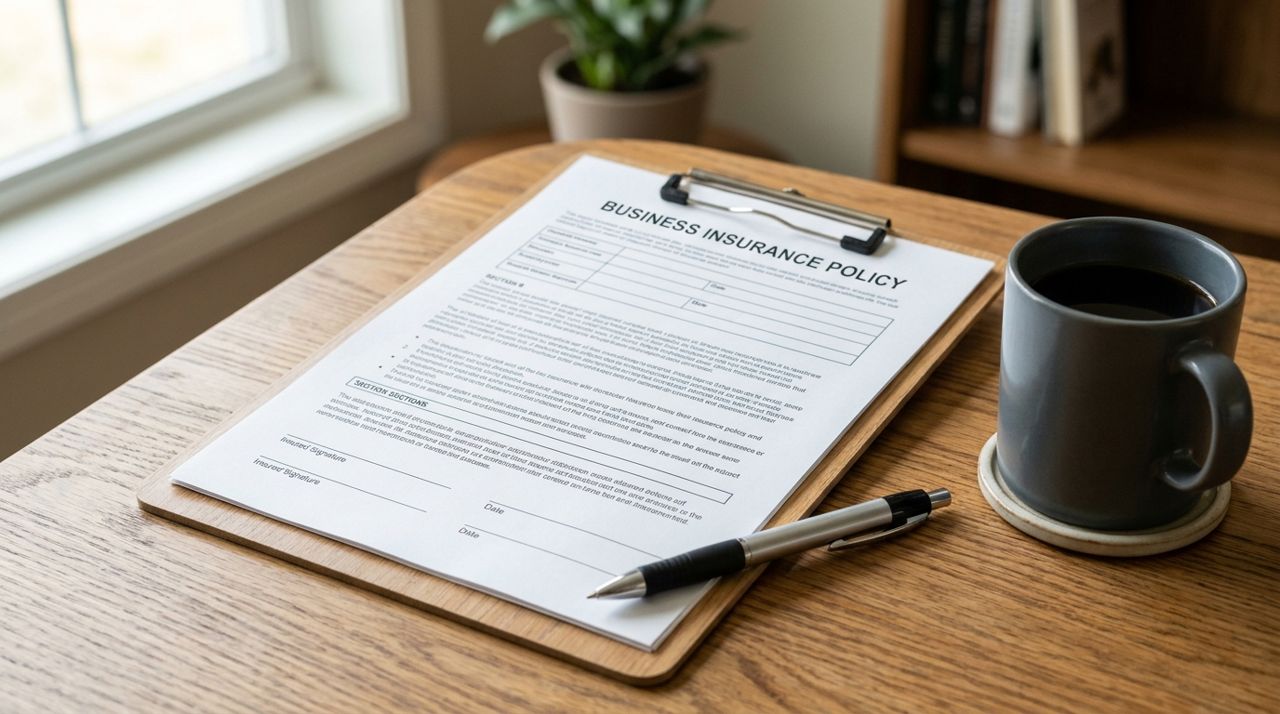
Business insurance policy document on clipboard with pen and coffee cup You don't need an LLC on day one, but you do need general liability insurance—it costs $300 to $600 per year and protects you if you accidentally damage a customer's property or someone gets hurt. Check if your state or city requires a handyman license or business registration; many places allow unlicensed work as long as jobs stay under a certain dollar amount (often $500 to $1,000) and don't involve major electrical or plumbing.
Open a separate checking account for business income and expenses, even if you're a sole proprietor. Come tax time, you'll thank yourself. Keep receipts for tools, gas, and supplies—they're all deductible. If you're unsure about local rules, your city or county clerk's website usually has a 'starting a business' checklist.
- 04
Step 4: Find your first ten clients
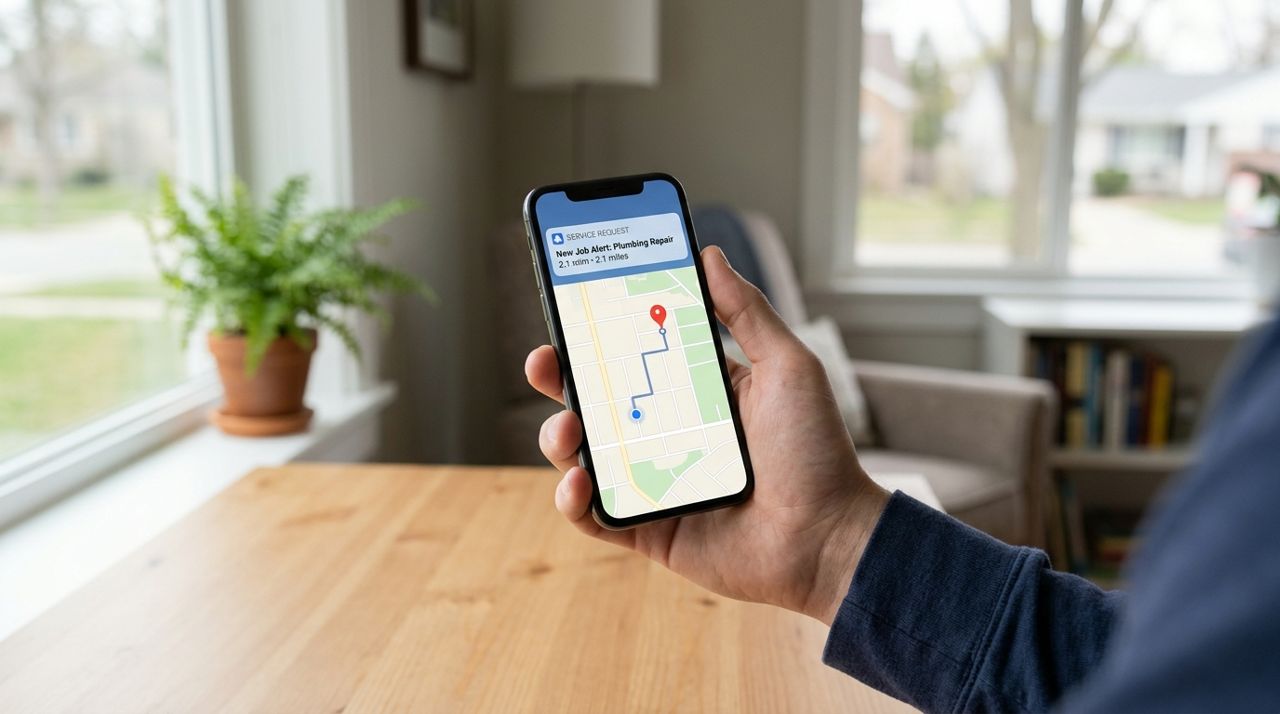
Hand holding smartphone showing incoming service request notification and map location Your first customers will come from people who already know you. Text twenty friends, family members, and former coworkers: 'I'm starting a handyman business. If you need any small repairs or have a to-do list piling up, I'd love to help. Here's what I do.' Offer a 'friends and family' rate for your first five jobs in exchange for honest feedback and online reviews.
Post in neighborhood Facebook groups, Nextdoor, and local community boards. Join apps like Lumo, where you can set your service area, list the jobs you do (cleaning, handyman, moving, yard work, and more), and get alerts when someone nearby needs help. On Lumo you keep 90% of the job price, set your own working hours, and can turn alerts on or off. Post before-and-after photos (with permission) as you complete jobs—visual proof sells.
- 05
Step 5: Show up like a professional, even if it's a small job
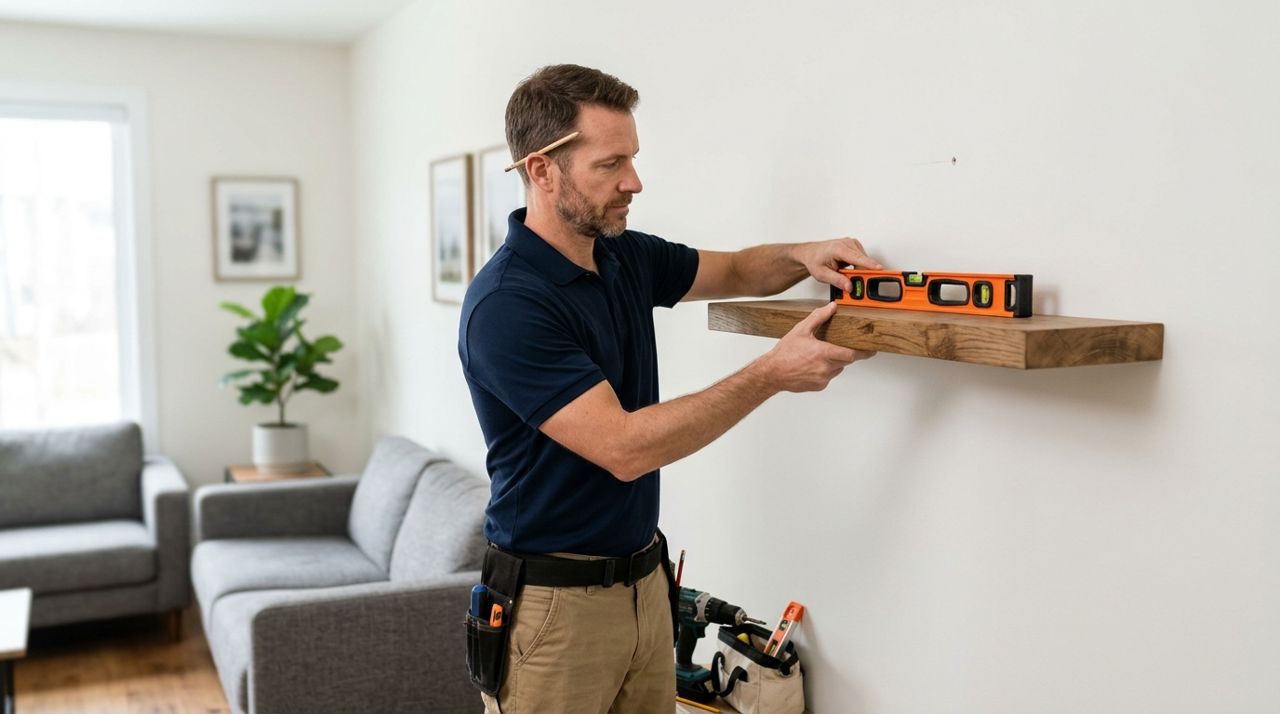
Professional handyman in polo shirt installing floating shelf on white wall with level Wear clean clothes (a polo shirt and work pants beat a stained T-shirt), arrive on time, and bring a tarp or drop cloth to protect floors. Before you start, walk the customer through what you'll do and confirm the price. If you find a bigger problem, stop and explain the options—never surprise someone with a higher bill.
Take a photo of the finished work and text it to the customer if they're not home. Clean up completely: sweep up sawdust, wipe down surfaces, and take your trash with you. These small touches turn a one-time customer into someone who calls you every time their to-do list grows. Ask for a review while you're still there: 'If you're happy with the work, I'd really appreciate a review—it helps me get more jobs.' Most people will do it on the spot.
- 06
Step 6: Turn one-time jobs into repeat business

Satisfied customer holding smartphone leaving five-star review with handyman in background After every job, leave a simple business card or send a follow-up text: 'Thanks for trusting me with your repair. Save my number—I'm here whenever you need help.' Offer a small discount for repeat customers or referrals: 'Refer a friend and you both get $20 off your next job.'
Create a simple maintenance checklist (gutter cleaning in fall, HVAC filter changes every three months, smoke detector batteries twice a year) and offer it as a seasonal package. People are busy; if you remind them and make it easy, they'll say yes. Track every customer in your phone with notes about their home and what you fixed—when you text six months later asking if they need their gutters cleaned again, that personal touch wins you the job.
Pro tips
- Always give a time window ('I'll arrive between 2 and 4 PM') and text when you're 15 minutes away. Respecting people's time builds trust faster than anything.
- Stock your truck with common supplies—drywall anchors, screws, caulk, painter's tape—so you don't have to run to the hardware store mid-job. Bill materials at cost plus 15%.
- Take before-and-after photos of every job (get permission first). Build a simple portfolio on your phone to show new customers what you can do.
- Underpromise and overdeliver on timing. If a job will take two hours, say three. Finishing early makes you look efficient; running late makes you look disorganized.
- Join local Facebook 'Buy Nothing' or 'Free Stuff' groups. People giving away old tools often just want them gone, and you can build your toolkit for free.
Frequently asked questions
- Do I need a contractor's license to do handyman work?
- It depends on your state and city. Most places allow unlicensed handyman work for jobs under $500 to $1,000 that don't involve major electrical, plumbing, or structural changes. Check your local building department's website or call them—rules vary widely. If you plan to do bigger projects, get licensed.
- What if a customer isn't happy with my work?
- Listen to their concern without getting defensive, then offer to fix it for free if it's a legitimate issue. Most problems come from miscommunication about expectations, not bad work. One redo to make things right protects your reputation and often turns a complaint into a glowing review.
- How do I compete with established handymen who have years of reviews?
- Price yourself 10 to 20% lower while you're building your reputation, respond faster than they do (aim to reply within an hour), and be available for evenings and weekends when busier pros are booked. Once you have 15 to 20 strong reviews, raise your rates to match the market.
Starting a handyman business doesn't require a huge investment—just the tools you already own, the skills you've picked up, and a commitment to doing reliable work. Your first ten customers will come from your network and local apps; your next hundred will come from the reputation you build one job at a time. Show up on time, communicate clearly, and leave every home better than you found it. The work is out there—go get it.
Photos are illustrative. Service prices are typical ranges and vary by city. How we write our guides.
More guides like this
How to Start a Cleaning Side Hustle with Basic Supplies
You don't need a franchise or expensive equipment to start earning as a cleaner. With a few basic supplies and the right approach, you can book your first clients this week.

How to Start a Dog Walking & Pet Sitting Side Hustle in 2025
Dog walking and pet sitting can bring in $300-800 a week working part-time, and you set your own hours. Here's how to launch your pet care side hustle from day one.
How to Make $500+ Every Weekend Helping People Move with Your Truck
If you own a pickup truck, you're sitting on a side hustle that can easily bring in $500 or more every weekend. Here's how to turn your truck into a reliable income stream by helping people move.