
How to Start a Cleaning Side Hustle with Basic Supplies
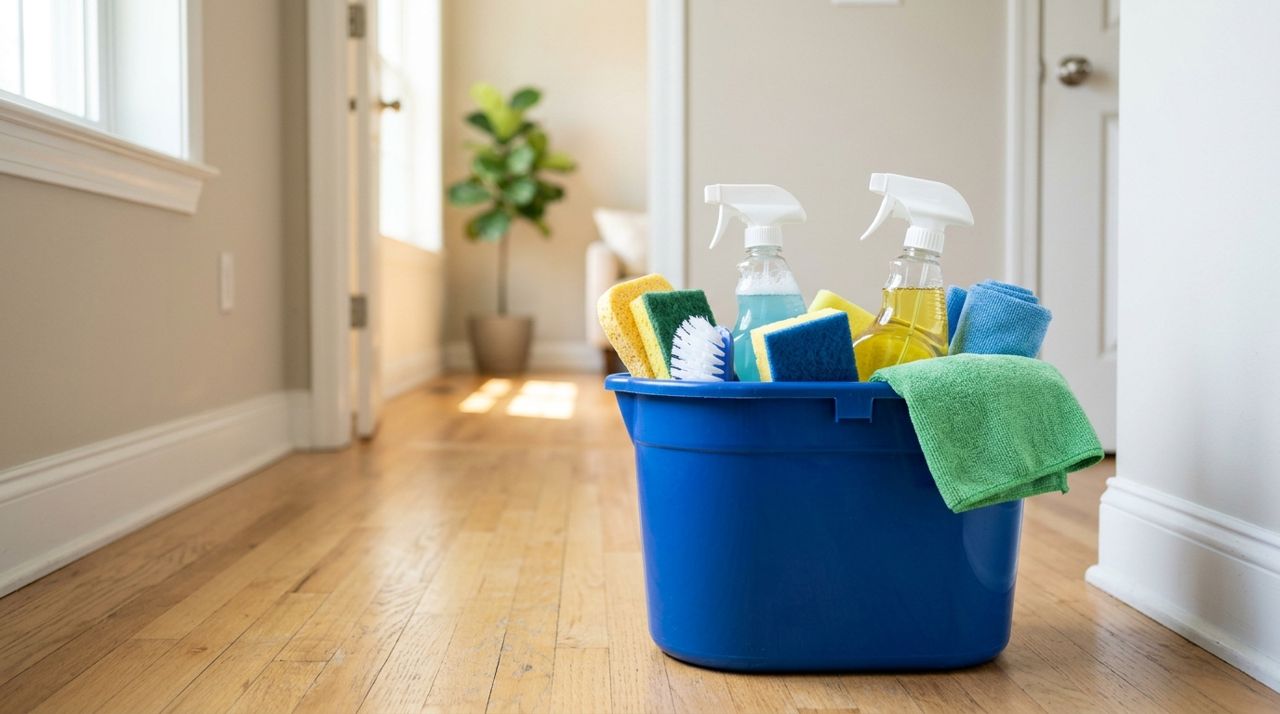
Cleaning is one of the easiest side hustles to start because most people already own the supplies, there's steady demand, and you can begin taking clients immediately. Residential cleaners in mid-sized cities typically earn $25–45 per hour depending on the job type, and you set your own schedule around your day job or other commitments.
This guide walks you through exactly how to launch a cleaning side hustle with minimal investment, how to price your services, where to find clients, and what to do on your first jobs. You'll learn the basics that working cleaners wish they'd known from day one, whether you use an app like Lumo to find customers or start by asking neighbors.
- 01
Step 1: Take stock of what you already have
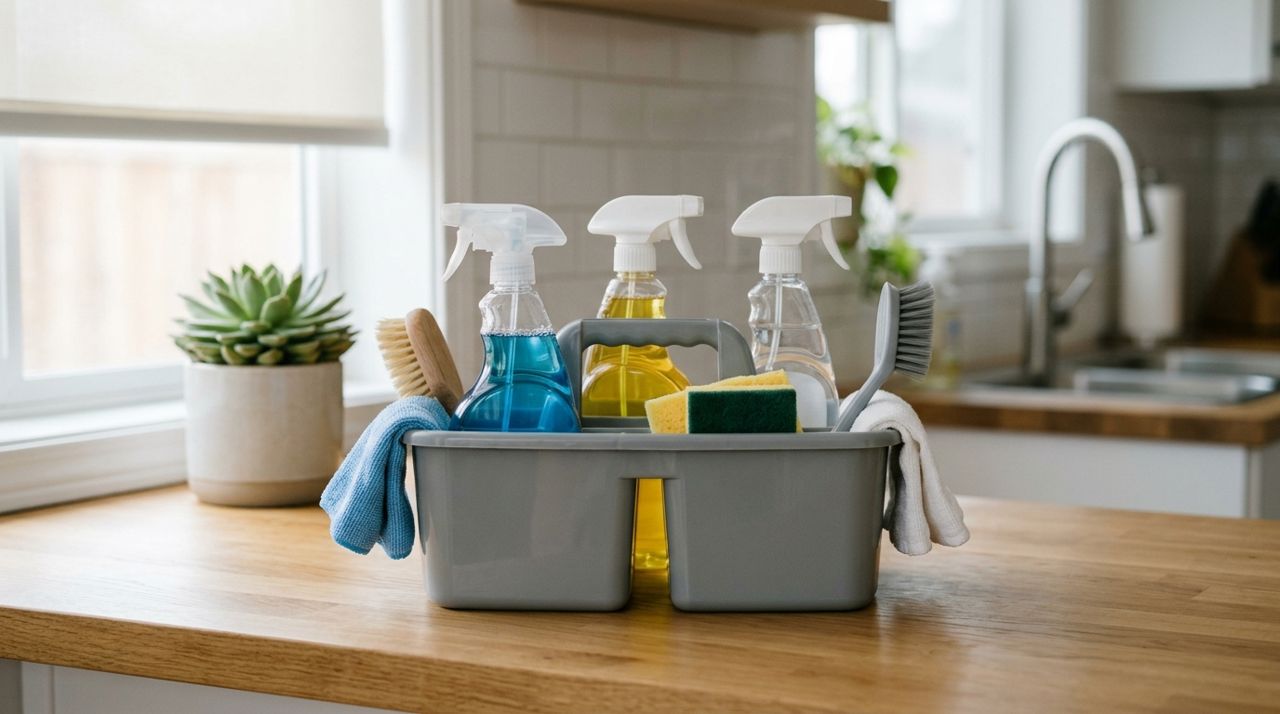
Plastic caddy filled with spray bottles, cloths, and cleaning supplies on a counter Walk through your home and gather your cleaning arsenal. You likely already own most of what you need: all-purpose cleaner, glass cleaner, disinfectant, microfiber cloths or old t-shirts, a mop, a vacuum, rubber gloves, a bucket, and sponges. If you're missing a few items, a $30–50 trip to the hardware store will fill the gaps.
Buy a large tote bag or plastic caddy to carry supplies between jobs. Restaurant-style spray bottles (about $2 each) let you refill from bulk cleaner at home, cutting your per-job cost. Skip specialty products for now; most residential jobs need only four cleaners: all-purpose, glass, bathroom disinfectant, and floor cleaner. As you book more jobs, you'll learn which products work fastest for you.
- 02
Step 2: Decide what services you'll offer
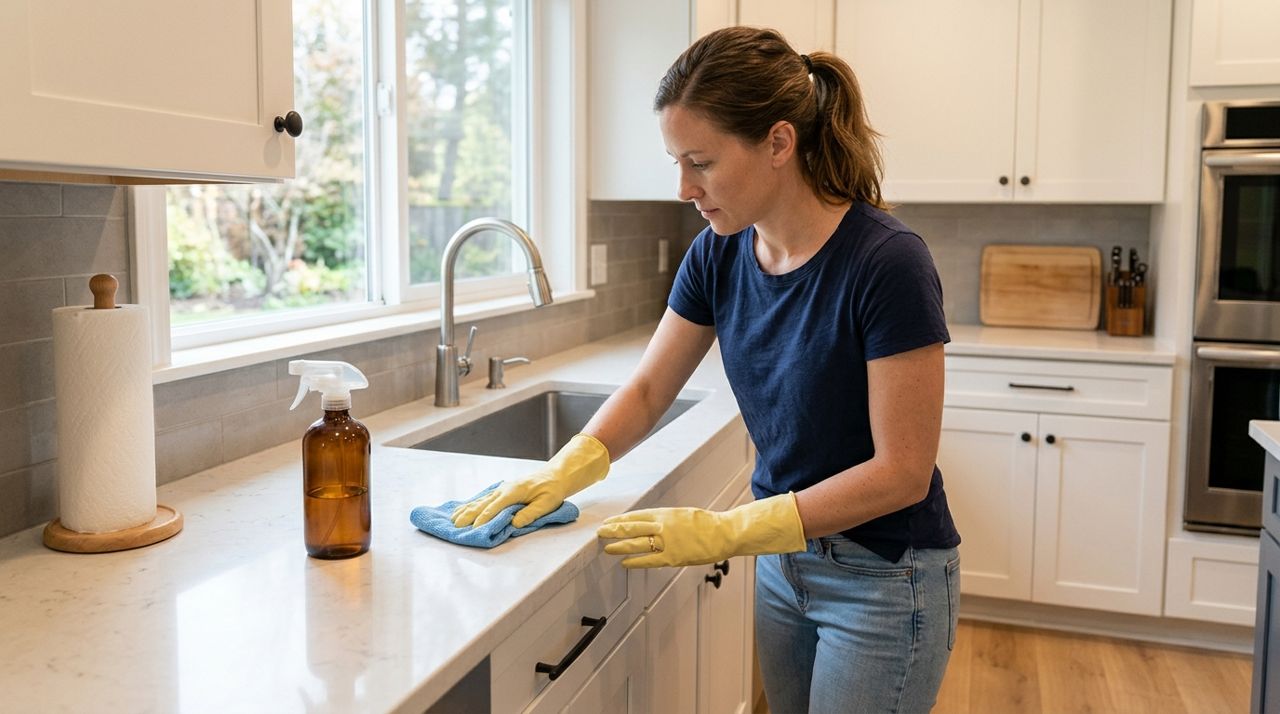
Person wearing gloves wiping down a kitchen counter with spray bottle nearby Start with standard residential cleaning: kitchens, bathrooms, dusting, vacuuming, mopping. This is what most customers need and what you can confidently do right away. As you gain experience, you can add deep cleaning (inside ovens, baseboards, window tracks), move-out cleaning, or post-construction cleanup, which command higher rates.
Be clear about what you won't do in the beginning. Many new cleaners skip exterior windows above the first floor, heavy furniture moving, or biohazard situations until they have the right equipment and insurance. It's better to do a smaller scope well than to overcommit and deliver a mediocre job. Write a simple list of what's included in your standard clean so you can tell customers exactly what to expect.
- 03
Step 3: Set your prices based on local rates and job size

Hand holding pen over notepad with calculator and dollar amounts written down Most cleaning side-hustlers charge by the job, not the hour, because it rewards efficiency. Research what other cleaners in your area charge by checking local Facebook groups, Nextdoor posts, or apps. In smaller cities, a standard 1,200-square-foot house might run $80–120; in larger metros, $120–180 for the same space.
For your first few jobs, price at the lower end to build reviews and experience. A simple formula: estimate how long the job will take you, multiply by your target hourly rate ($25–35 to start), then round to a clean number. A 2-bedroom apartment that takes two hours at $30/hour becomes a flat $60–70 quote. Always see photos or visit before quoting if the customer describes the space as 'very dirty' or mentions pets, kids, or long vacancy.
- 04
Step 4: Get your first clients through apps and local networks
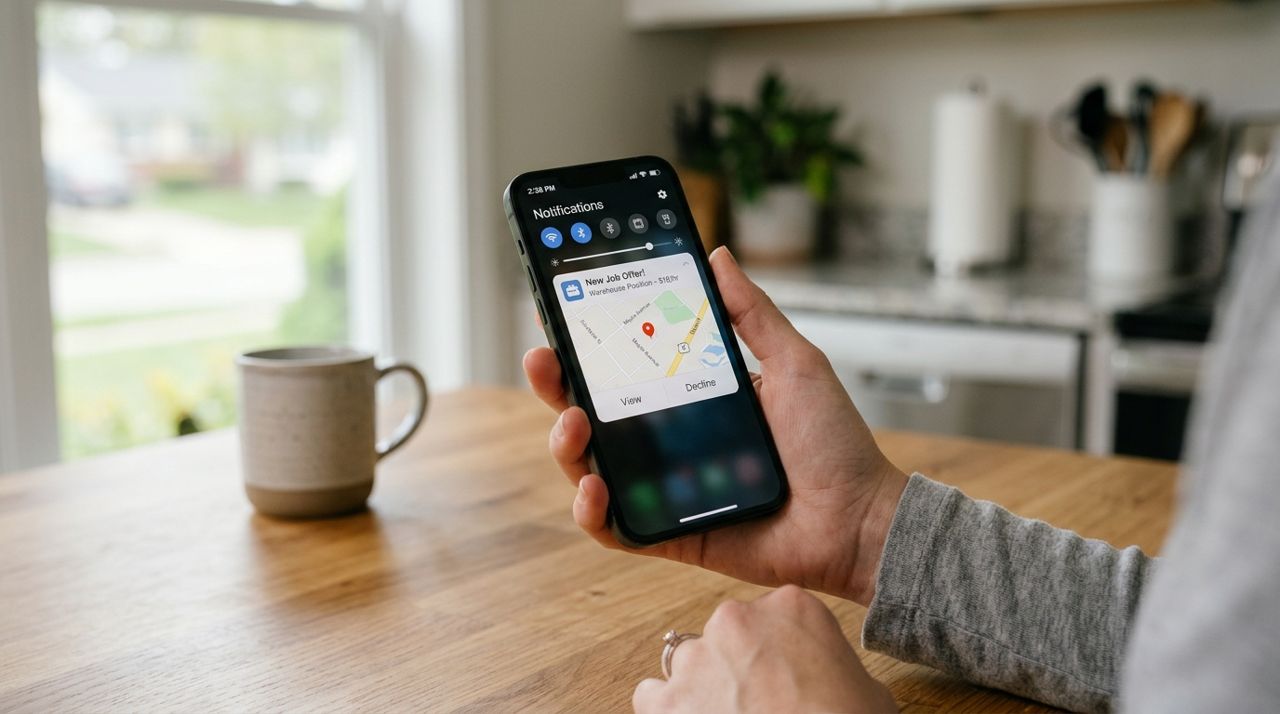
Smartphone screen showing incoming job notification with map and job details visible Post in neighborhood Facebook groups, Nextdoor, and community bulletin boards with a simple message: 'Reliable cleaner available for regular or one-time jobs. DM for rates.' Ask friends, family, and coworkers if they need cleaning or know anyone who does. Your first three clients will almost always come from your immediate network.
You can also use an app like Lumo, where customers in your area post cleaning jobs and you respond with your price. On Lumo's Worker mode, you set a job-alert radius and the types of jobs you want, then get pinged when someone nearby needs a cleaner. You keep 90% of what you charge, see the customer's address and job details before accepting, and the app handles messaging and payment. Going on and off duty or pausing alerts between jobs takes one tap, so you only see requests when you're actually available.
- 05
Step 5: Communicate clearly and confirm details before you arrive
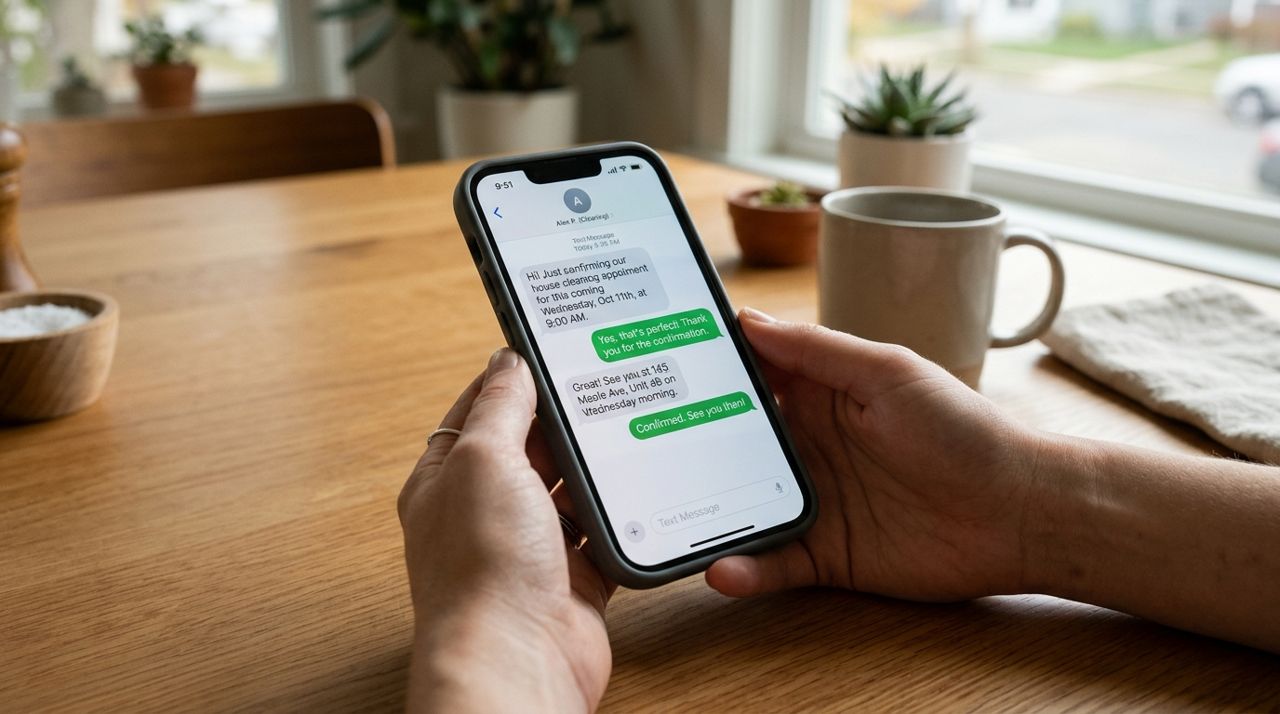
Phone showing friendly text message conversation confirming cleaning appointment details and address Once someone books you, confirm the date, time, address, and scope in writing. Ask if you'll have water and power access, where to park, how to get in (lockbox code, meet at door, key under mat), and if pets will be home. If the customer wants add-ons like inside the fridge or the oven, agree on the extra charge before you start.
Set expectations about timing: 'I'll arrive between 9 and 9:15 and the job usually takes about two hours.' This prevents customers from hovering or feeling surprised. If the job turns out to be significantly bigger than described, pause and message the customer with a revised quote before continuing. Most people are reasonable if you're polite and transparent. Apps with in-app messaging make this easy; on Lumo, you and the customer can clarify everything without swapping phone numbers.
- 06
Step 6: Do the job thoroughly and leave a small touch
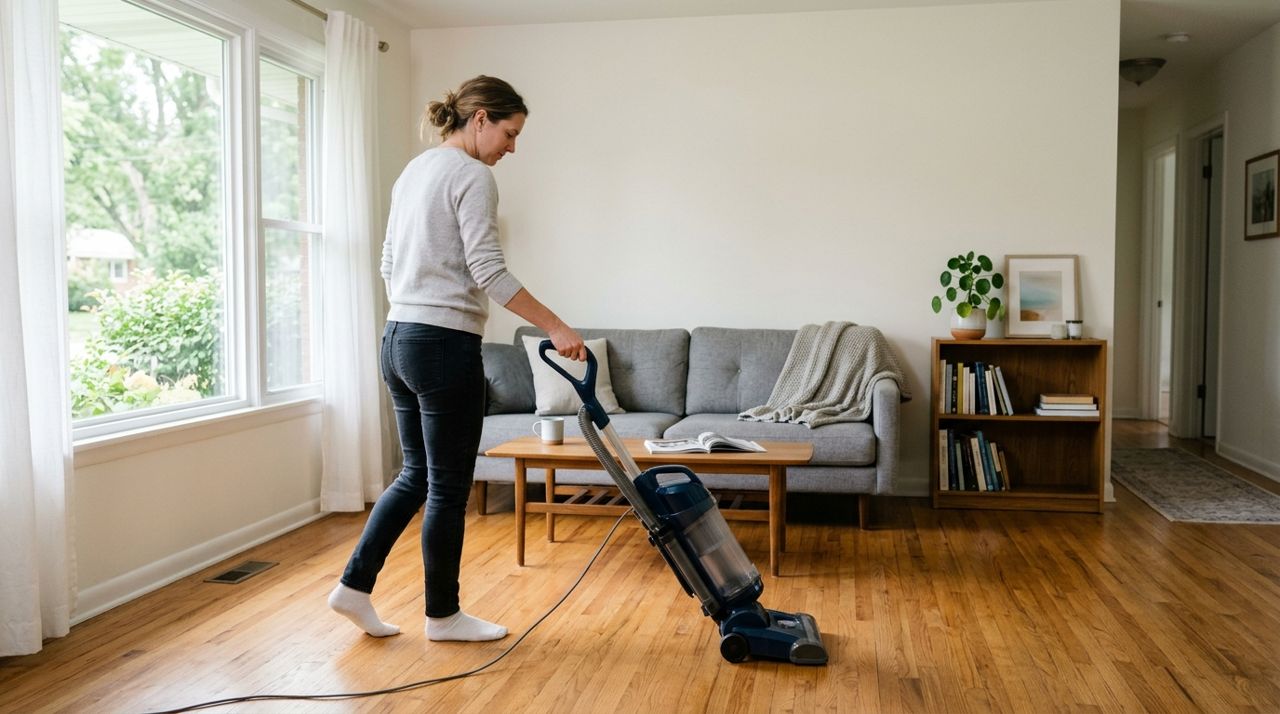
Person pushing vacuum cleaner across clean hardwood floor in bright living room Arrive on time with your supplies organized. Start with the kitchen and bathrooms (the rooms customers notice most), then bedrooms, living areas, and floors last so you don't track dirt. Work top to bottom in every room: dust high surfaces, wipe counters and furniture, then vacuum or mop.
Before you leave, do a quick walk-through to catch anything you missed. Small touches make a big difference: align the couch pillows, fold the hand towel in the bathroom, or leave the toilet paper in a triangle. Take a photo of one or two clean rooms for your own records. When a customer sees you care about details, they'll rebook and refer you. After the job, a short message like 'All done! Let me know if you'd like me back next month' plants the seed for repeat business.
- 07
Step 7: Track your earnings and build repeat customers
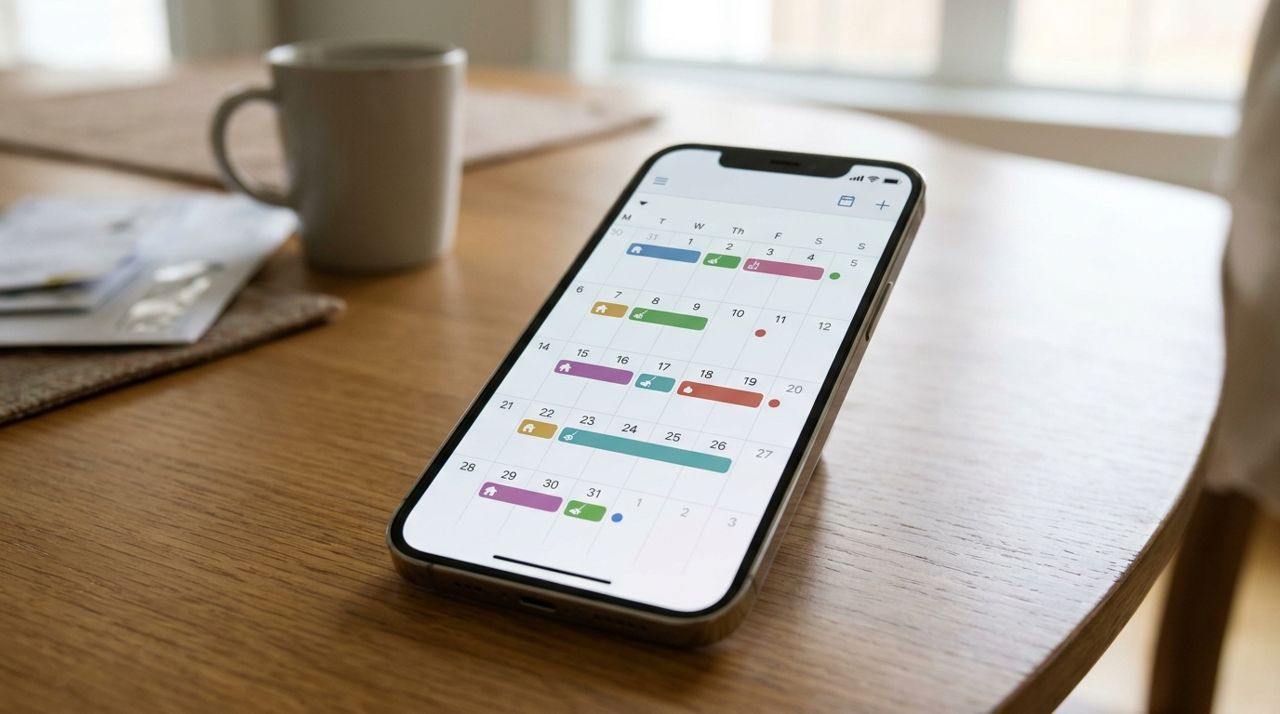
Calendar app on phone screen showing multiple cleaning appointments scheduled throughout the month Keep a simple log of each job: date, customer name, what you charged, and how long it took. This helps you spot which jobs are most profitable and refine your pricing. If a job that you quoted for two hours keeps taking three, raise your price next time.
Your goal is to turn one-time customers into regulars. Offer a small discount for booking recurring service: 'Book me every two weeks and I'll knock $10 off each visit.' Repeat customers mean predictable income and less time spent hunting for new gigs. Apps like Lumo show ratings and reviews after each job, which build your reputation and help new customers trust you. Even one five-star review with a comment like 'Left my place spotless, highly recommend' will get you more bookings than a dozen ads.
Pro tips
- Bring your own vacuum for the first few jobs; customers' machines are often broken or filthy.
- Wear closed-toe shoes and clothes you don't mind getting dirty or bleached.
- Set a timer on your phone for each room to keep yourself on pace and avoid spending too long on any one area.
- Text a friend or family member the address before you enter a new customer's home for the first time.
- Keep a 'restock list' on your phone and buy cleaning supplies in bulk online to cut costs by half.
Frequently asked questions
- Do I need insurance to clean houses as a side hustle?
- Legally, no, but it's smart. A basic general liability policy costs $200–400 per year and protects you if you accidentally break something expensive or a customer claims you damaged their property. Some customers won't hire uninsured cleaners. Shop around on insurers' websites or use a service like NEXT or Hiscox that cater to solo service providers.
- How do I handle payment without things getting awkward?
- Agree on the price and payment method before you start the job. Most customers pay by Venmo, Zelle, or cash at the end. Apps like Lumo handle payment in the app by card, so the money lands in your wallet automatically when the job is marked complete and you don't have to ask. Always get paid the same day you finish the work.
- What if a customer isn't happy with my work?
- Ask what specifically they're unhappy with and offer to fix it on the spot if it's reasonable. Most complaints are about missed spots, not your overall quality. If they're still dissatisfied, apologize and offer a partial refund. One bad review won't sink you, but how you respond to problems will determine whether you build a sustainable side hustle or burn out in frustration.
Starting a cleaning side hustle is straightforward: use what you have, price fairly, communicate well, and do thorough work. Your first few jobs will feel slow, but you'll get faster and more confident with every house. Whether you find clients through your neighborhood or use an app like Lumo to get pinged when someone nearby needs a cleaner, the income potential is real and the demand is steady. Start this weekend and you could have your first paying job by next week.
Photos are illustrative. Service prices are typical ranges and vary by city. How we write our guides.
More guides like this
How to Start a Handyman Business with Just Your Toolbox
You already own the tools. This guide shows you how to turn them into a profitable handyman business, from pricing your first job to building a steady client base.

How to Start a Dog Walking & Pet Sitting Side Hustle in 2025
Dog walking and pet sitting can bring in $300-800 a week working part-time, and you set your own hours. Here's how to launch your pet care side hustle from day one.
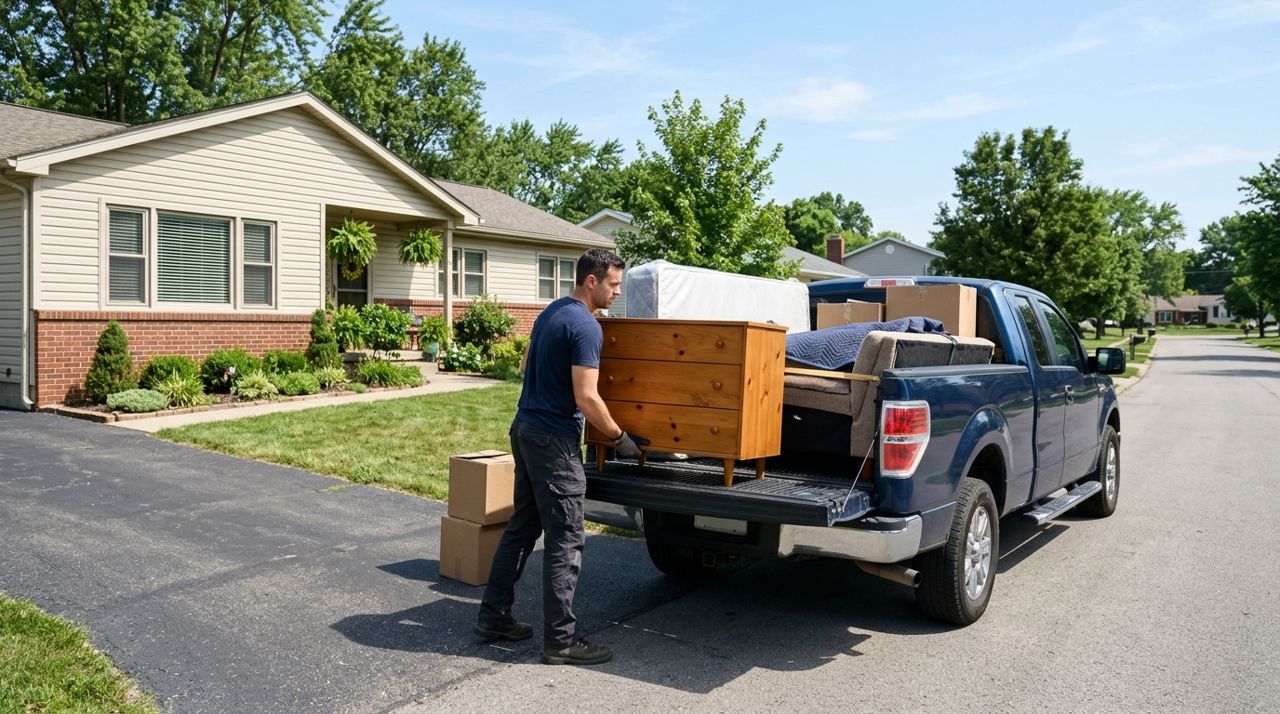
How to Make $500+ Every Weekend Helping People Move with Your Truck
If you own a pickup truck, you're sitting on a side hustle that can easily bring in $500 or more every weekend. Here's how to turn your truck into a reliable income stream by helping people move.