
How to Book Music or Language Lessons Near You
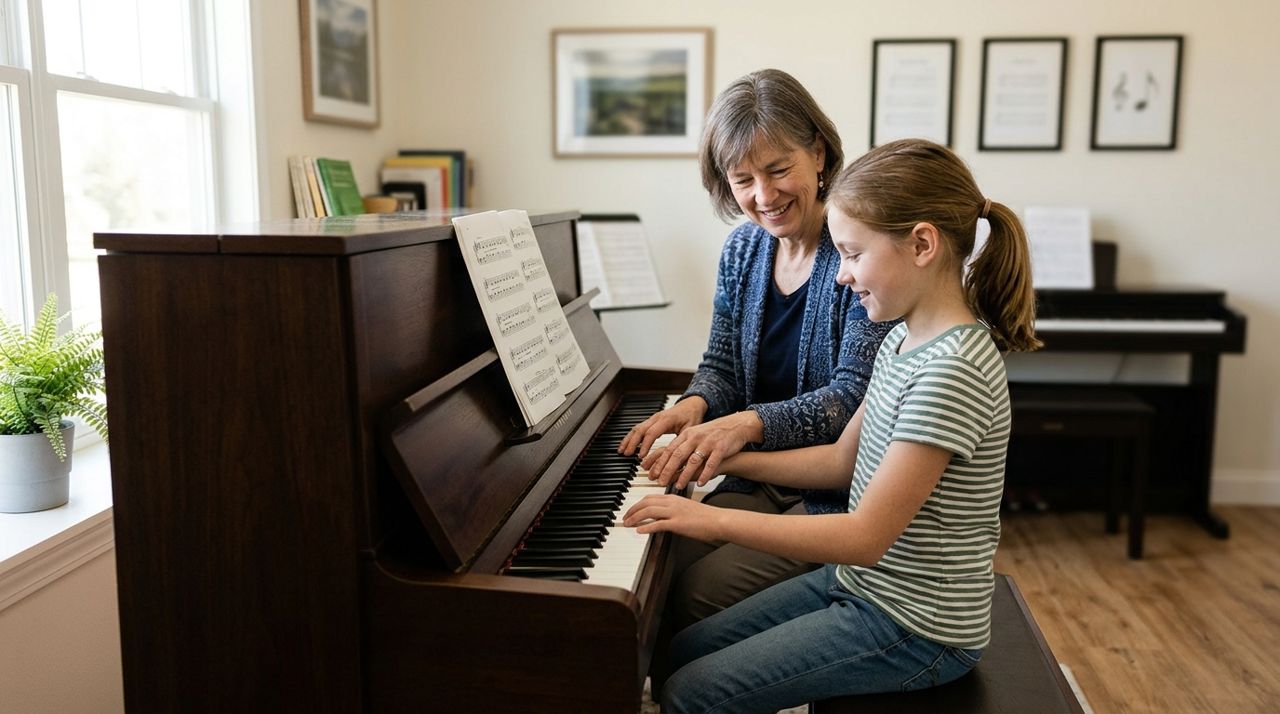
Finding a qualified tutor for guitar, piano, Spanish, Mandarin or any other skill used to mean browsing Craigslist ads, asking neighbors or signing up for expensive studio programs with rigid schedules. Most people want something simpler: a vetted instructor who lives nearby, charges fairly, and can meet on your schedule—at your home, a coffee shop or their studio.
This guide walks through how to find and book local music and language tutors, what to expect in terms of pricing and logistics, how to communicate your goals, and how to make lessons stick. Whether you're booking for yourself or your child, you'll know exactly what to ask and how to get started.
- 01
Step 1: Search for tutors by subject and location
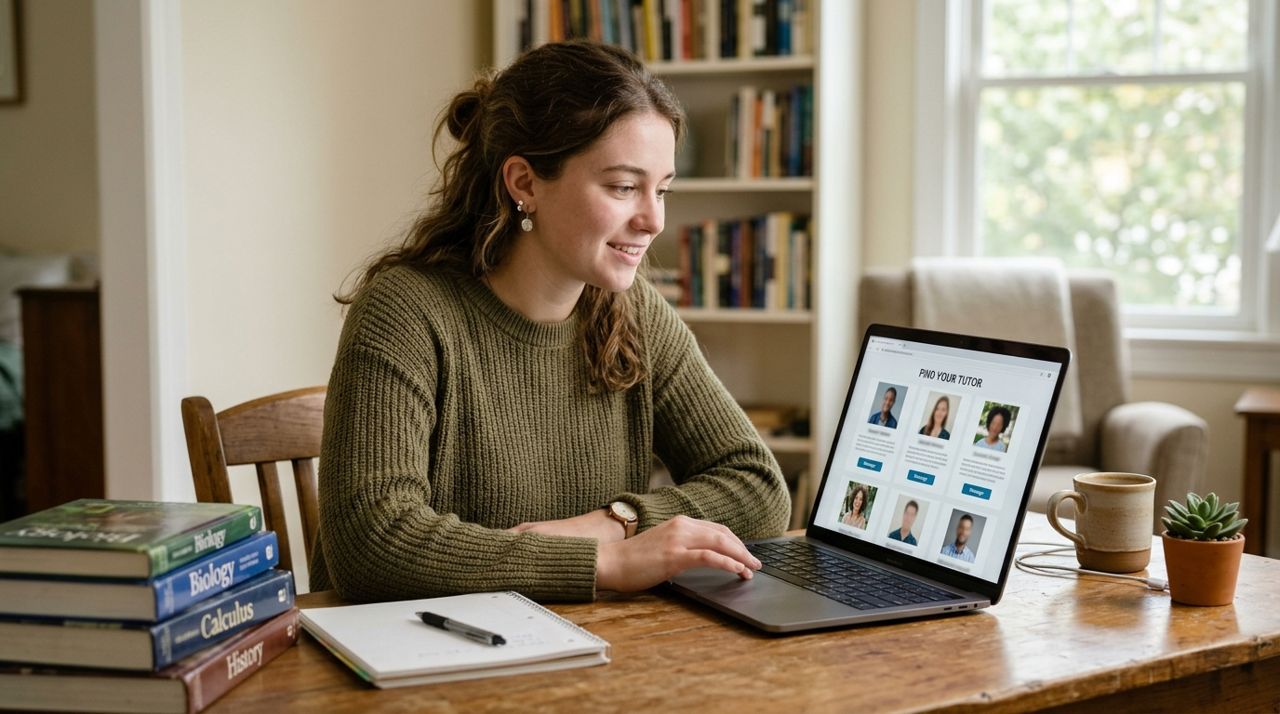
Young adult browsing tutor profiles on a laptop at a desk Start by deciding what you want to learn and where lessons should happen. Music lessons (guitar, piano, violin, drums, voice) and language lessons (Spanish, French, Mandarin, ESL) are common requests. Most tutors work within a 10- to 15-mile radius.
Open Lumo in Customer mode, tap the tutoring category, and enter your ZIP code or let the app use your location. Browse tutor profiles that show their subjects, experience, ratings and hourly rates. Typical rates run $30 to $60 per hour for language lessons and $40 to $80 for music, depending on the tutor's credentials and your city. Look for tutors with multiple five-star reviews and clear descriptions of their teaching style.
- 02
Step 2: Review profiles, ratings and availability
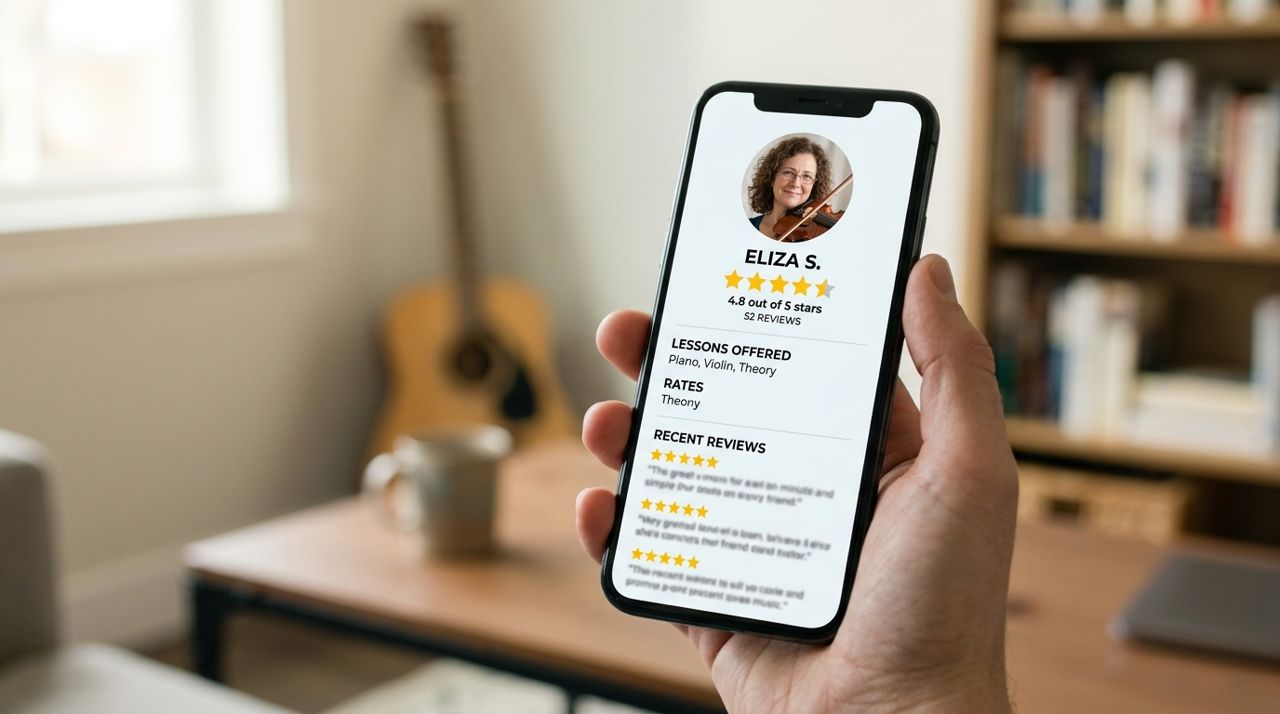
Smartphone screen showing a music tutor's profile with star rating and reviews Tap into a tutor's profile to see their background: years of experience, certifications (like a music degree or TEFL certificate for language teaching), instruments or languages they teach, and whether they offer lessons for kids, teens or adults. Read recent reviews—parents and students often mention punctuality, patience and whether the tutor tailors lessons to individual goals.
Check the tutor's working hours and job-alert radius. Some tutors only accept students within five miles; others travel farther for a small surcharge. If you need evening or weekend slots, confirm availability before booking. Profiles also note whether the tutor travels to your home, hosts lessons at their studio, or meets at a neutral spot like a library.
- 03
Step 3: Message the tutor to discuss goals and logistics

Close-up of hands typing a message on a smartphone screen Before you book, use the in-app messaging to introduce yourself. Mention your current skill level (complete beginner, intermediate, returning after a break), your goals (learn conversational Spanish for travel, prepare for a piano recital, improve pronunciation), and any scheduling constraints. Ask if the tutor provides materials or if you need to buy a textbook, sheet music or instrument.
For kids' lessons, mention the child's age and attention span; experienced tutors adjust lesson length and activities accordingly. Confirm the lesson location—if the tutor is coming to your home, make sure you have the necessary space and equipment (a piano, music stand, quiet room). Most tutors expect 24-hour notice for cancellations.
- 04
Step 4: Book your first lesson and pay securely in the app
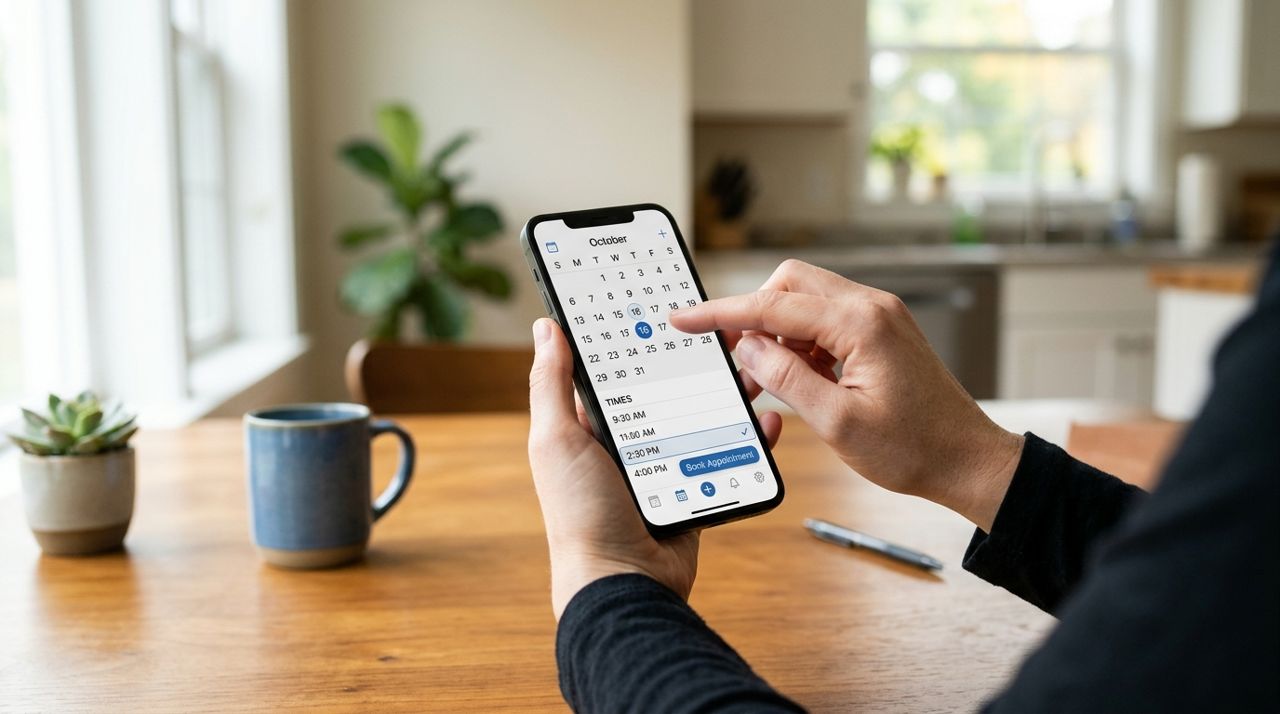
Person selecting a date and time on a smartphone calendar app Once you've agreed on details, the tutor will send a booking request with the date, time, duration and price. Review it, add any special instructions (like 'please ring the doorbell; the dog barks'), and confirm. Payment is handled securely by card in the app—you're never asked to Venmo or hand over cash.
Most tutors offer 30-minute, 45-minute or 60-minute sessions. Beginners often start with 30 minutes, especially children, and move to longer blocks as they progress. You'll receive a confirmation with the tutor's contact info and a reminder an hour before the lesson. If the tutor is traveling to you, you can follow their arrival live on a map.
- 05
Step 5: Prepare for the first session
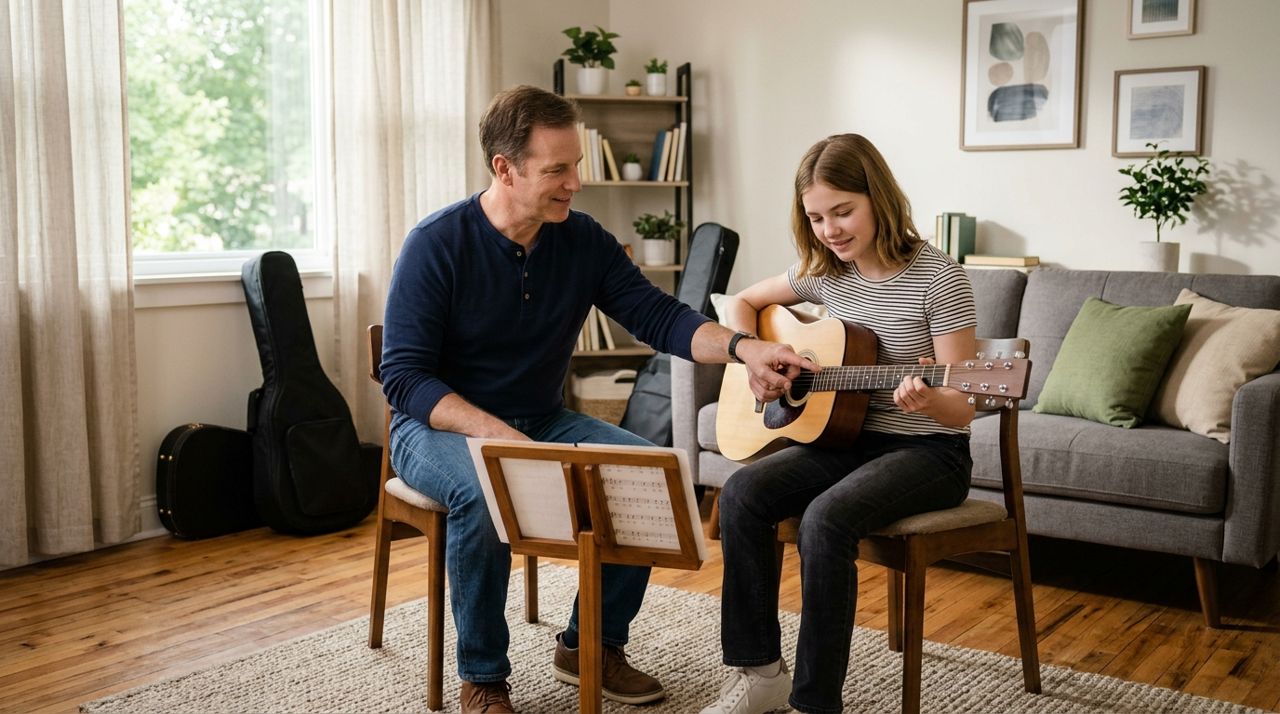
Guitar teacher and student sitting together with acoustic guitar in a living room Set yourself up for success by gathering any materials the tutor requested—workbooks, your instrument, a notebook for vocabulary. If lessons are at your home, clear a quiet space with good lighting and minimal distractions. For language lessons, a table and two chairs work fine. For music, make sure the piano is tuned or the guitar has fresh strings.
Be ready to discuss your goals again at the start of the first lesson; good tutors will ask what you hope to achieve in three months, six months or a year and tailor a plan. Don't worry if you feel rusty or nervous—tutors expect that. Bring questions, be honest about your schedule for practice between sessions, and take notes.
- 06
Step 6: Provide feedback and book future lessons

Person holding a phone and tapping five stars on a review screen After the lesson, the tutor will mark the job complete and you'll be prompted to rate and review them. Be specific—mention whether they were punctual, patient, clear in their explanations and good at adjusting to your pace. Tips are optional but appreciated for exceptional service; 10, 15 or 20 percent are common.
If the first lesson went well, book a regular weekly or biweekly slot through in-app messaging. Consistency is key for language and music progress; most students improve fastest with one lesson per week plus daily practice. If the fit wasn't right, try another tutor—learning styles vary, and it's normal to shop around until you find the right match.
- 07
Step 7: Track your progress and adjust as you go
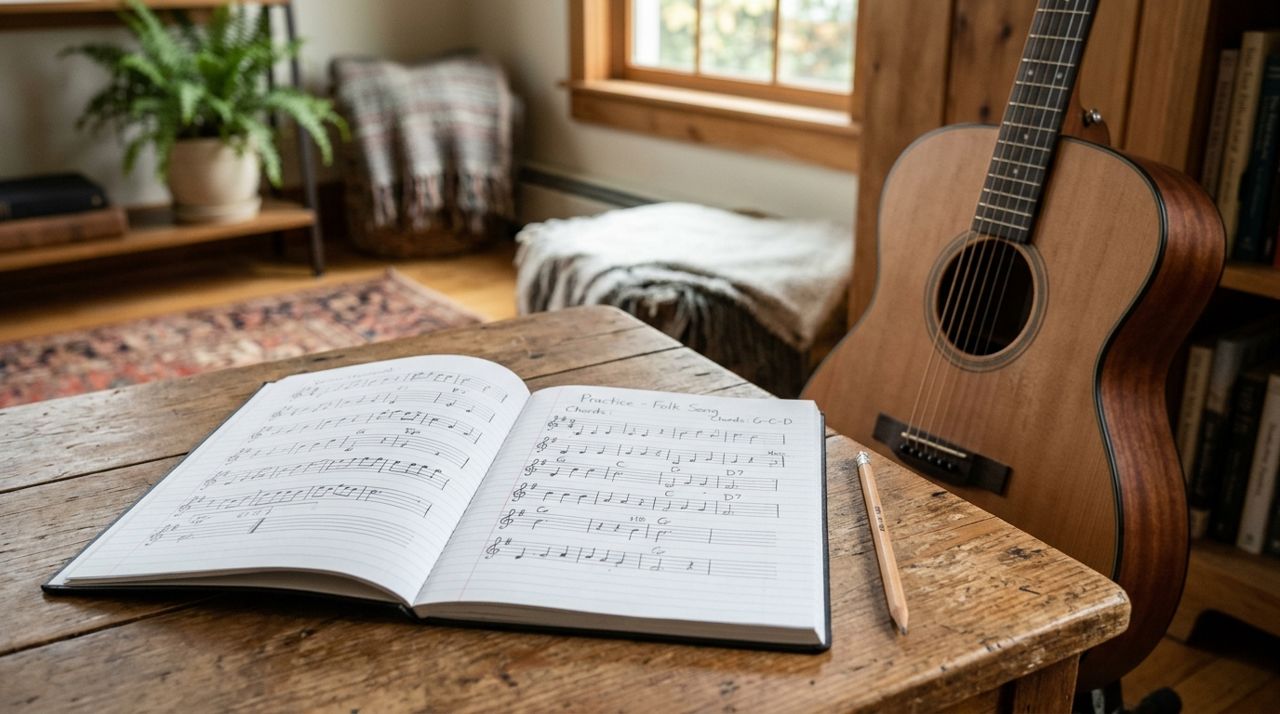
Open notebook with handwritten music notes and a pencil beside a guitar Over the first month, you'll get a sense of whether the pace and teaching style work for you. Good tutors check in regularly, celebrate small wins (your first song, your first conversation in the target language), and adjust lesson plans if you're bored or overwhelmed. If your schedule changes or you want to increase lesson frequency before a trip or performance, just message your tutor.
Keep a simple log of what you cover each session and how much you practice between lessons. Most tutors appreciate students who practice 15 to 30 minutes daily and come prepared with questions. If progress stalls, discuss it openly—your tutor can suggest new exercises, resources or a different approach.
Pro tips
- Book a single trial lesson before committing to a package; chemistry matters as much as credentials.
- For kids, sit in on the first lesson to see how the tutor engages your child, then step back if they're comfortable.
- Set a realistic practice schedule—even 10 minutes a day beats an hour once a week.
- Ask your tutor for free resources: YouTube channels, apps, sheet music libraries or vocabulary lists.
Frequently asked questions
- How much do music and language lessons typically cost?
- Language tutors usually charge $30 to $60 per hour; music instructors run $40 to $80, depending on experience and location. Rates are higher in big cities and for specialized instruments or advanced students. Lesson length also affects price—30-minute sessions cost less than 60-minute blocks.
- Do I need to buy an instrument or textbook before the first lesson?
- Ask your tutor during your first message exchange. Many music teachers recommend starting with a rented or borrowed instrument to see if you stick with it. Language tutors often provide digital materials for beginners or suggest a specific textbook after the first session.
- What if I need to cancel or reschedule a lesson?
- Most tutors ask for 24-hour notice for cancellations. Message them through the app as soon as you know you need to reschedule. Repeated last-minute cancellations may lead tutors to release your regular time slot, so communicate early and reschedule promptly.
Finding the right tutor can turn a frustrating solo struggle into steady, enjoyable progress. By vetting profiles, communicating your goals clearly and committing to consistent practice, you'll see real improvement in weeks, not months. Ready to start? Open Lumo, browse tutors in your neighborhood, and book that first lesson today.
Photos are illustrative. Service prices are typical ranges and vary by city. How we write our guides.
More guides like this
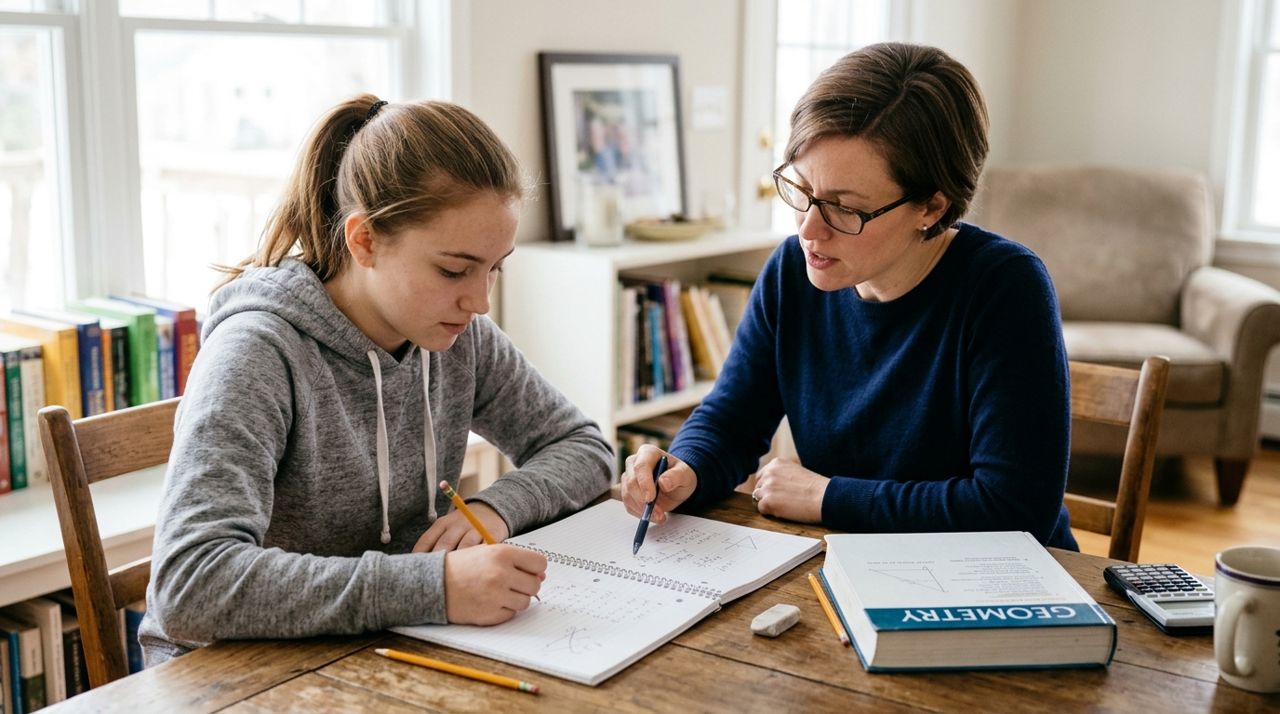
How to Find a Local Math Tutor for Your High-Schooler
Finding the right math tutor can turn grades around and rebuild confidence. Here's how to find, vet and work with a qualified local tutor who fits your teenager's learning style and schedule.

How Food Delivery Works: From Browsing Menus to Getting Dinner
Ordering dinner for delivery is simple once you know the process. This guide walks through every step from browsing restaurants to getting your meal at the door.

How to Order Lunch for Your Office Team Without the Chaos
Ordering lunch for eight coworkers shouldn't feel like herding cats. Here's how to coordinate a group order, keep everyone happy, and get food delivered on time without juggling twenty phone calls.