
How to Hire Movers for a One-Bedroom Apartment (Without Surprises)
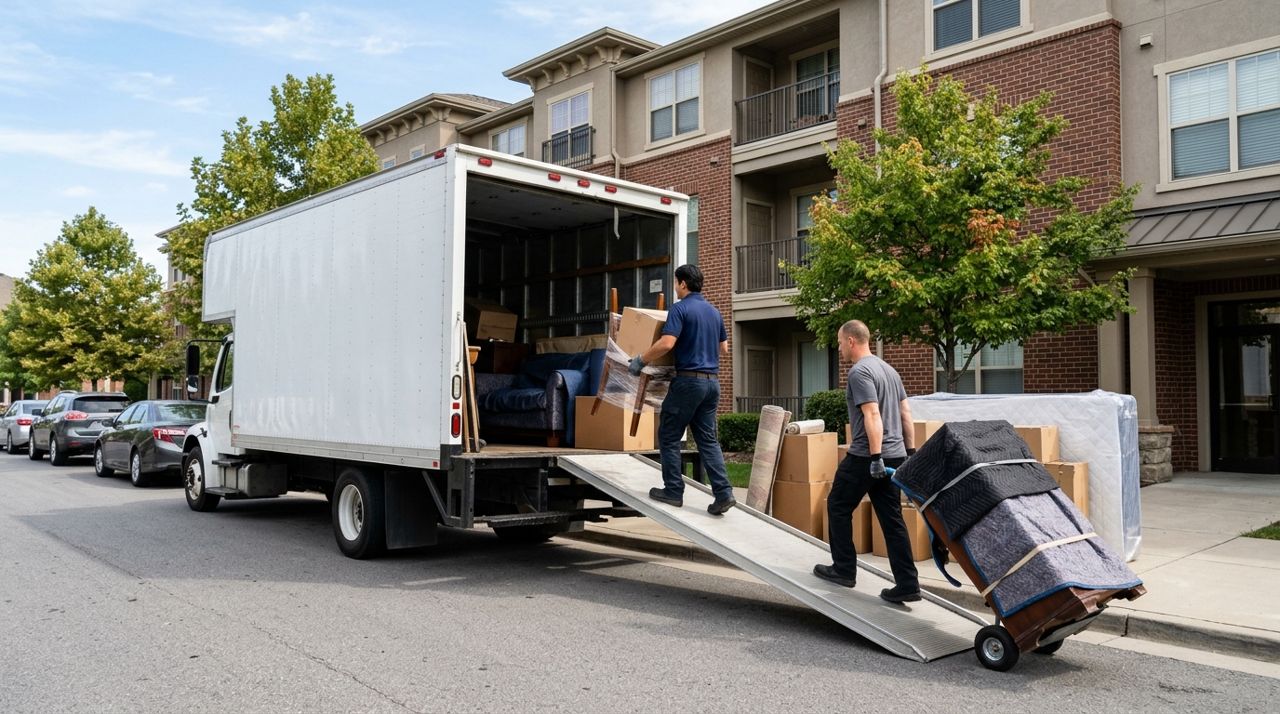
Moving a one-bedroom apartment usually means you have one to three rooms of furniture, about 15 to 30 boxes, and maybe some awkward items like a mattress, dresser, or desk. Hiring professional movers saves your back, your friends' goodwill, and often your security deposit when heavy furniture damages walls or floors.
The typical cost for moving a one-bedroom apartment runs $150 to $400 for local moves, depending on your city, how much you're moving, stairs or elevators, and distance. This guide walks you through finding movers, preparing your apartment, understanding pricing, and making sure the job goes smoothly from start to finish.
- 01
Step 1: Assess what you're moving and when
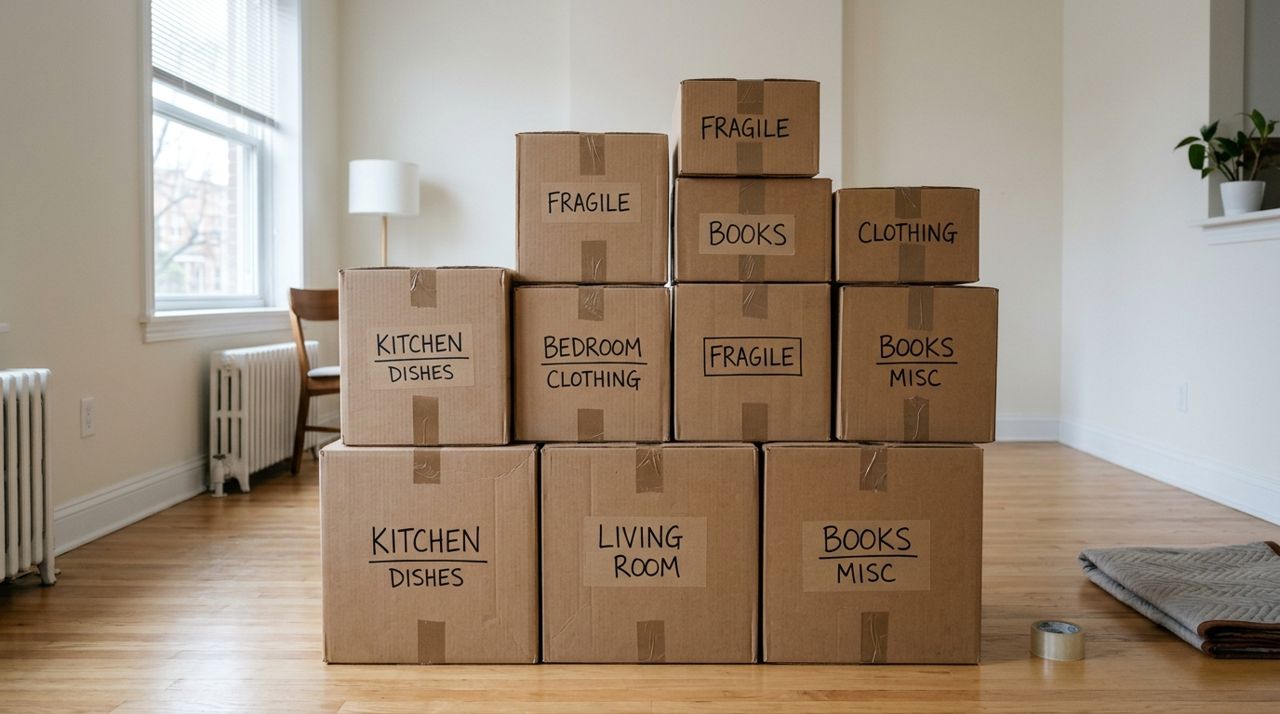
Stack of packed cardboard moving boxes in an apartment room ready for movers Walk through your apartment and make a quick inventory. Count boxes, list large furniture (bed frame, mattress, dresser, couch, table, chairs, bookshelves), and note anything that needs special handling like a TV, plants, or fragile items. Take photos of valuable or delicate pieces.
Decide your move date and whether you need morning, afternoon, or flexible timing. Weekend and month-end moves cost more in most cities because demand is higher. If you can move mid-week or mid-month, you'll often find better availability and pricing. Check your lease for move-out requirements—some buildings require reservations for the elevator or loading dock.
- 02
Step 2: Request quotes and compare movers

Person reviewing moving service options and ratings on a smartphone app screen Local moving help typically charges by the hour ($80 to $150 in most cities) or a flat rate for the whole job. For a one-bedroom apartment, expect two movers to take 2 to 4 hours depending on distance and stairs.
- Number of rooms and approximate box count
- Large furniture pieces
- Stairs or elevator at both addresses
- Distance between addresses
- Any tight doorways or parking challenges
On Lumo, you can post your moving job with these details, set your budget, and receive offers from local movers. You'll see each mover's profile, ratings from previous jobs, and how many moves they've completed. Compare based on price, reviews, and availability—not just the lowest bid.
- 03
Step 3: Book and confirm details

Smartphone showing confirmation text messages between customer and moving service professional - Exact date and arrival time window
- Both addresses with unit numbers
- Your phone number for day-of coordination
- What's included (loading, transport, unloading, furniture placement)
- What's not included (packing, disassembly/assembly, packing materials)
Ask if they bring dollies, furniture pads, and straps. Most professional movers supply these, but it's worth confirming. Also clarify payment timing—many movers accept payment through the app after the job is complete, which protects both sides. Get a confirmation message with the final agreed price so there are no surprises on moving day.
- 04
Step 4: Prepare your apartment before movers arrive
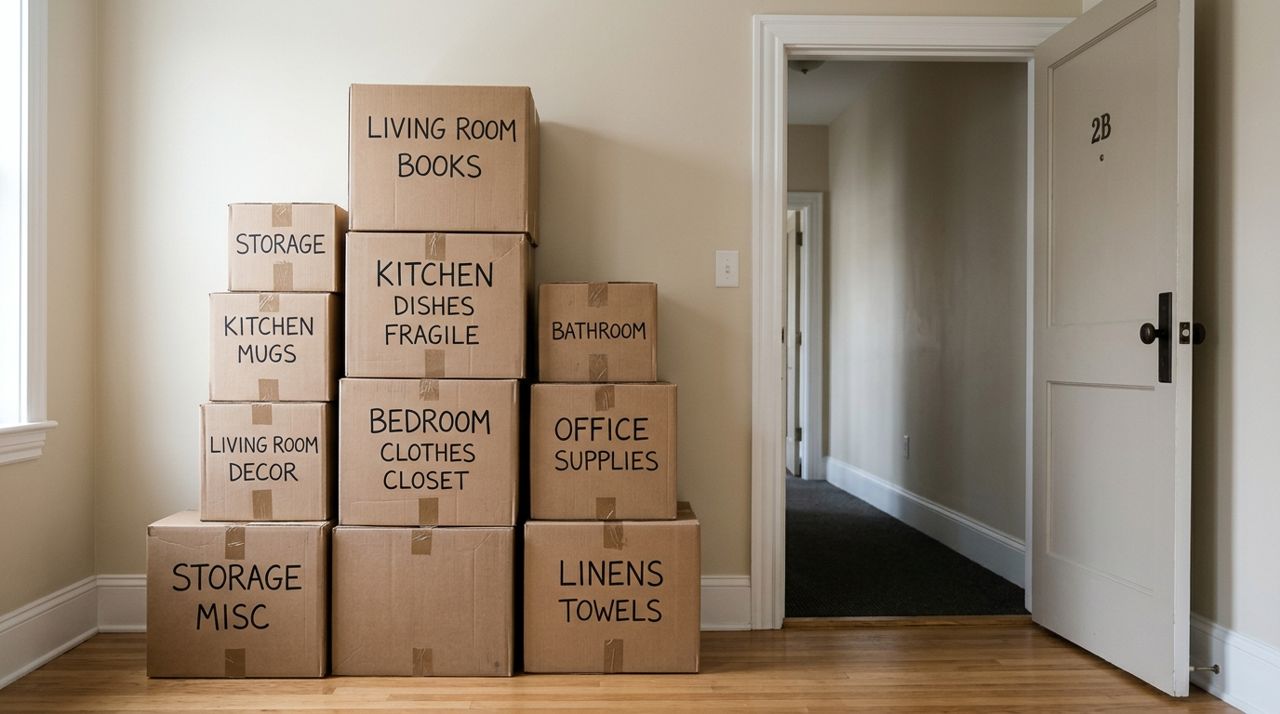
Neatly packed and labeled moving boxes arranged by doorway in empty apartment Pack everything into boxes and label them by room. Movers charge by time, so having everything ready saves you money. Disassemble any furniture you're comfortable taking apart (bed frames, table legs) and keep hardware in labeled bags taped to the furniture.
Clear pathways from each room to the door. Move breakables and valuables (jewelry, documents, laptops, medications) into your car or a bag you'll carry yourself. Measure doorways and staircases if you have large furniture—better to know now if your couch needs to go out a window.
Reserve the elevator if required, arrange parking as close as possible to both buildings, and put down floor protection if you're worried about your deposit. Have cash on hand if you plan to tip, though you can also tip through the app.
- 05
Step 5: Be present on moving day
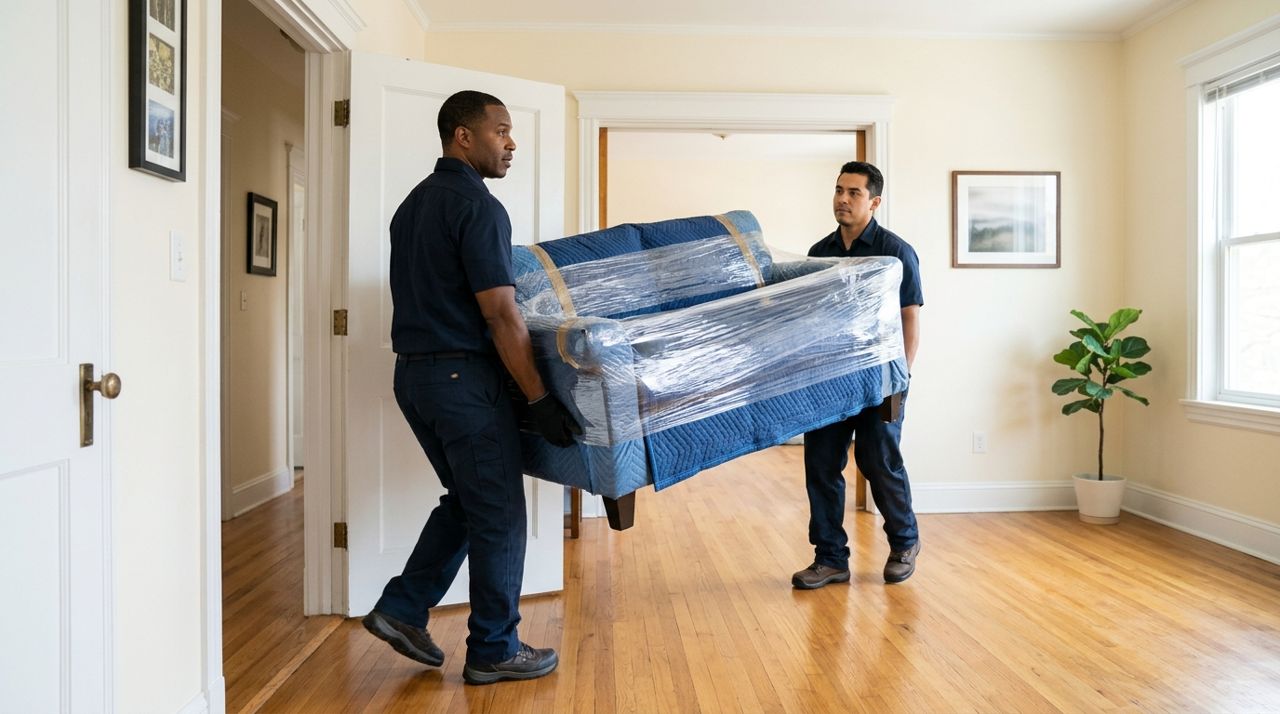
Two professional movers carefully carrying a wrapped couch through an apartment doorway Be at your apartment when movers arrive. Do a quick walkthrough together, pointing out anything fragile or valuable. Show them the layout at both locations so they know where large items will go.
Stay available during the move but let them work. Answer questions about furniture placement, but don't micromanage the lifting—you hired professionals for a reason. Keep your phone charged in case they need directions or have questions.
If you're using an app-based service like Lumo, you can message the movers directly and track progress. Take before-and-after photos of both apartments in case any damage occurs. Most moves go smoothly, but documentation protects everyone if something goes wrong.
- 06
Step 6: Inspect, pay, and review

Person leaving a five-star rating and review on smartphone after completed moving service When movers finish unloading, walk through your new apartment to make sure everything arrived and is placed where you want it. Check for any damage to furniture or walls. If something's wrong, address it immediately while the movers are still there.
Pay through the app once you're satisfied. The standard tip is 10% to 20% of the total cost, or $20 to $40 per mover for good service. On Lumo, 100% of your tip goes directly to the movers.
Leave an honest review. Good movers depend on reviews to build their reputation, and your feedback helps other people make informed decisions. Mention specifics: Were they on time? Careful with furniture? Professional and efficient? Future customers will appreciate the detail.
Pro tips
- Book at least one week ahead for weekend moves, two weeks for month-end moves when demand peaks.
- Empty dressers and desks completely. Movers won't transport furniture with items inside because of weight and shifting damage.
- Take photos of electronics' cable setups before unplugging so you remember how to reconnect everything.
- Keep a 'first day' box with toilet paper, soap, phone chargers, snacks, and a change of clothes so you're not digging through boxes that night.
Frequently asked questions
- Do I tip movers, and how much?
- Yes, tipping is standard for good service. Plan on 10% to 20% of the total cost, or $20 to $40 per mover for a typical one-bedroom move. You can tip in cash or through the app if you're using a service like Lumo, where 100% goes to the movers.
- What if my furniture doesn't fit through the door?
- Measure doorways, stairwells, and elevators before moving day, especially for couches and mattresses. Most movers can angle or flip furniture to fit, but if something truly won't fit, they may need to hoist it through a window (extra cost) or you may need to leave it behind.
- Am I responsible if movers damage my furniture or apartment?
- Movers are responsible for damage they cause during the move. Take before-and-after photos as documentation. If you notice damage, report it immediately and document it in your review and any dispute process through the booking platform or with the mover's insurance.
Hiring movers for a one-bedroom apartment is straightforward when you know what to expect and prepare properly. Get clear quotes, confirm details in writing, have everything packed before they arrive, and communicate openly on moving day. Whether you book through Lumo or another service, choosing a mover with good reviews and a fair price makes the difference between a stressful day and a smooth transition to your new place.
Photos are illustrative. Service prices are typical ranges and vary by city. How we write our guides.
More guides like this
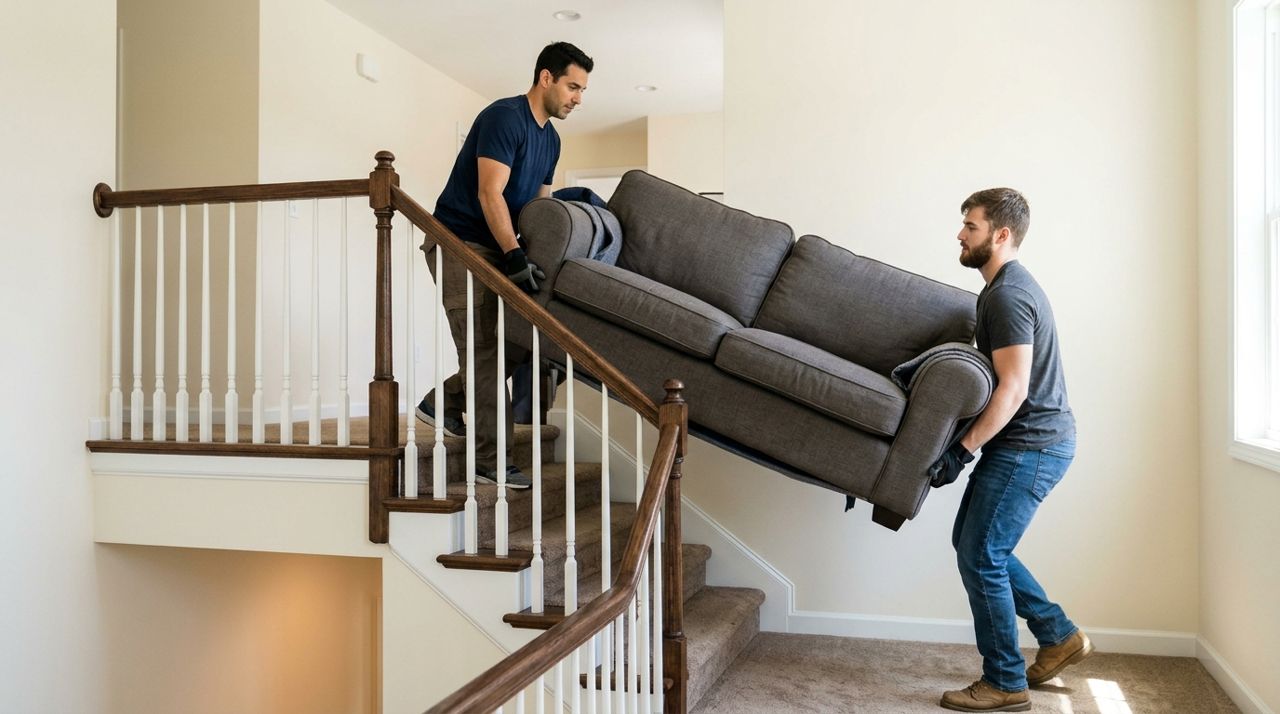
How to Hire Help Moving a Single Heavy Item in Your City
Moving a couch up three flights of stairs or getting a piano into your basement isn't a one-person job. Here's how to hire local help for single-item moves without overpaying or damaging your home.
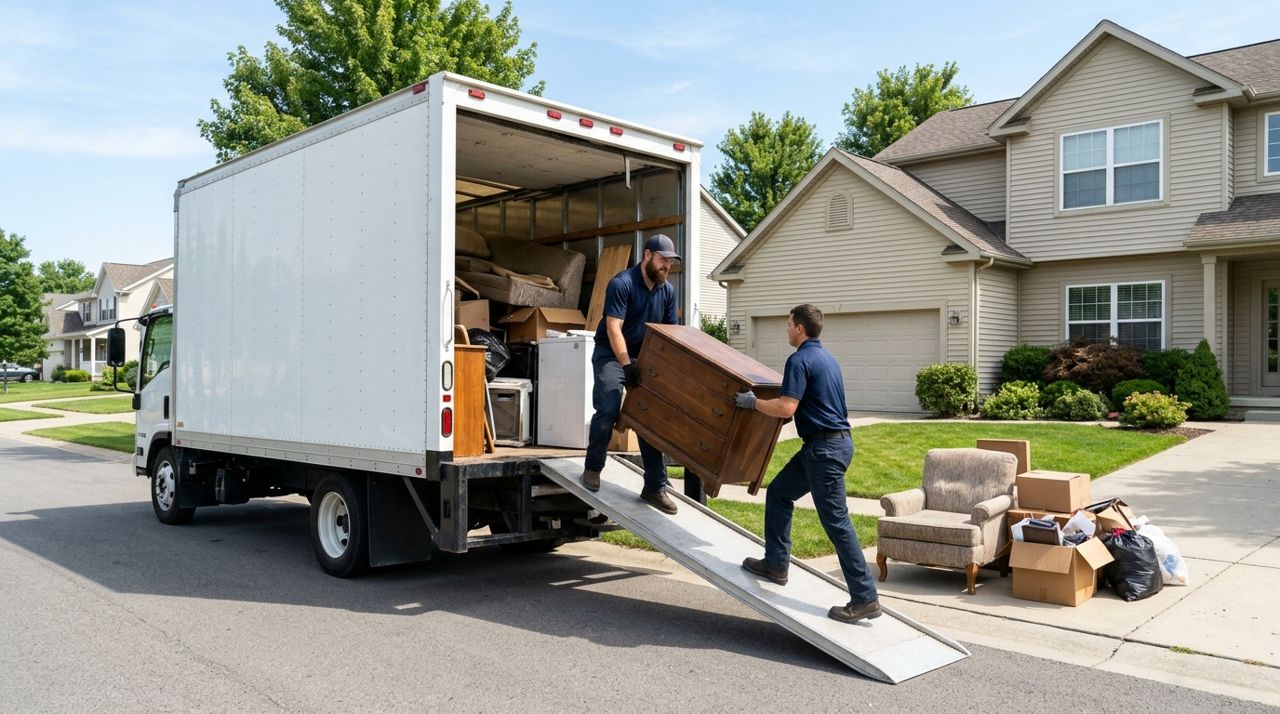
How to Hire Someone to Haul Away Junk and Old Furniture
Getting rid of old furniture, broken appliances and years of accumulated junk doesn't have to mean renting a truck and hurting your back. Here's how to hire someone to haul it all away efficiently and affordably.

How to hire local movers for college dorm move-in day
Moving into a dorm means hauling boxes up narrow stairs, navigating crowded parking lots, and racing the clock on move-in day. Here's how to hire local helpers who know the drill and make it easy.