
How to Hire Someone to Haul Away Junk and Old Furniture
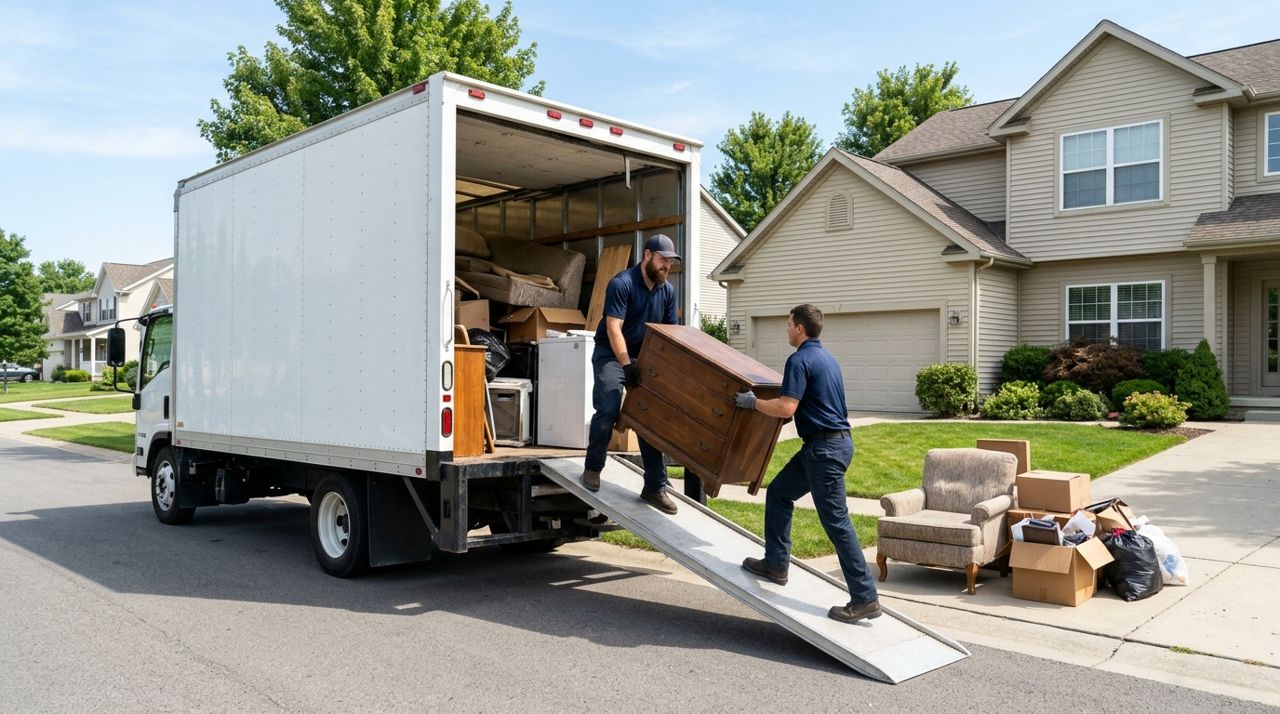
That old couch won't fit through the door. The basement is full of boxes you haven't opened in five years. The broken treadmill is taking up half the garage. When you need to clear out junk and old furniture, doing it yourself means renting a truck, recruiting friends, risking injury, and spending your entire weekend at the dump.
Hiring a junk removal service costs $150–$600 depending on volume (a single couch versus a full garage cleanout), but you get your time back and avoid the heavy lifting. This guide walks you through finding the right hauler, getting accurate quotes, preparing your items, and making sure the job goes smoothly from start to finish.
- 01
Step 1: List everything you need removed

Person making an inventory list on their phone while standing in a cluttered room Walk through your home with a notepad or phone and write down every item. Be specific: 'queen mattress and box spring,' 'three-drawer dresser,' 'mini fridge,' 'eight boxes of books.' Take photos of large items, especially anything awkward like old exercise equipment or sectional sofas.
Note which floor each item is on and whether stairs are involved. Haulers price partly by volume (how much truck space you'll fill) and partly by difficulty. A piano on the third floor costs more than a desk in the garage. Group items by room or area so you can point the hauler to everything quickly when they arrive. This list becomes your quote request and prevents the 'oh, one more thing' problem that can raise the final price.
- 02
Step 2: Decide what can be donated or recycled
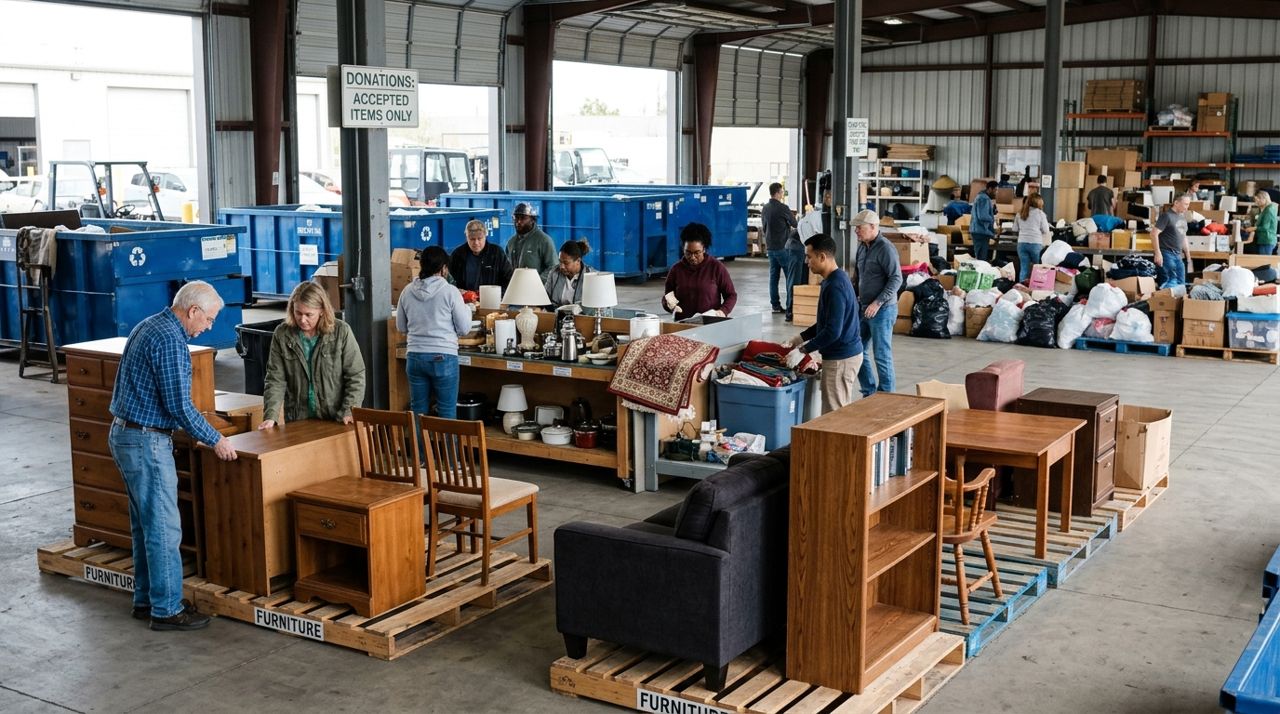
Usable furniture and household items being sorted for donation at a recycling center Junk removal doesn't always mean the landfill. Ask your hauler if they sort items for donation and recycling—many do. Working furniture, appliances less than ten years old, and usable household goods can go to Goodwill, Habitat for Humanity ReStores or local charities.
Metal, electronics and appliances often get recycled. Haulers with donation and recycling programs may charge slightly less because they offset dump fees. Separate your 'true junk' (stained mattresses, broken particle board, actual trash) from 'still usable' items. Some haulers will give you a receipt for donations you can use for tax deductions. Items with hazardous materials—old paint cans, chemicals, automotive fluids, propane tanks—usually require special disposal and may cost extra or need a different service.
- 03
Step 3: Get quotes from multiple haulers

Junk removal worker providing a written estimate to a homeowner with a clipboard Post your list and photos on a service like Lumo (which connects you with local haulers who compete for your job), or call 3–4 junk removal companies directly. Describe the job clearly: number of items, approximate total volume (quarter truck, half truck, full truck), and any access challenges like narrow staircases or no elevator.
Most haulers offer free estimates. Some quote over the phone or from photos; others prefer to see the job in person. Expect to pay $150–$250 for a few large items, $300–$450 for a room's worth, and $500–$800 for a full garage or multi-room cleanout. Ask what's included: labor, loading, disposal fees, donations, cleanup afterward. Confirm whether the quote is firm or an estimate that could change when they see the actual volume. Get everything in writing before you commit.
- 04
Step 4: Prepare your items and clear a path

Clear pathway leading from furniture pile to front door for easy junk removal Before the haulers arrive, move small items out of drawers and cabinets. They're there to haul furniture and junk, not sort through your belongings. Empty dressers, desks and shelves unless you've agreed they'll take everything inside.
Clear a path from each item to the nearest exit. Move cars out of the driveway so the truck can back up close. If you're in an apartment, reserve the elevator and notify building management. Unlock gates, open garage doors, and leash pets. The faster the crew can work, the lower your final bill if you're paying hourly. Pile small junk together in one spot rather than scattered across three rooms. If weather is bad, lay down tarps or old sheets to protect floors from muddy boots.
- 05
Step 5: Walk through with the hauler and confirm the plan

Junk removal professional discussing removal plan with homeowner before starting work When the crew arrives, take five minutes to walk them through everything that's going. Point out items on your list, confirm what's trash versus donation, and mention anything fragile nearby that should not be touched.
If the hauler gives you a revised quote after seeing the actual volume, ask them to explain the difference. Reputable pros will honor a quote if your description was accurate; price increases should only happen if there's significantly more stuff than you described. Clarify timing: most junk removal jobs take 30 minutes to two hours depending on volume and stairs. Agree on payment terms—most haulers expect payment immediately after the job, by card or cash. If using an app like Lumo, payment processes through the app after completion.
- 06
Step 6: Inspect the space and settle payment
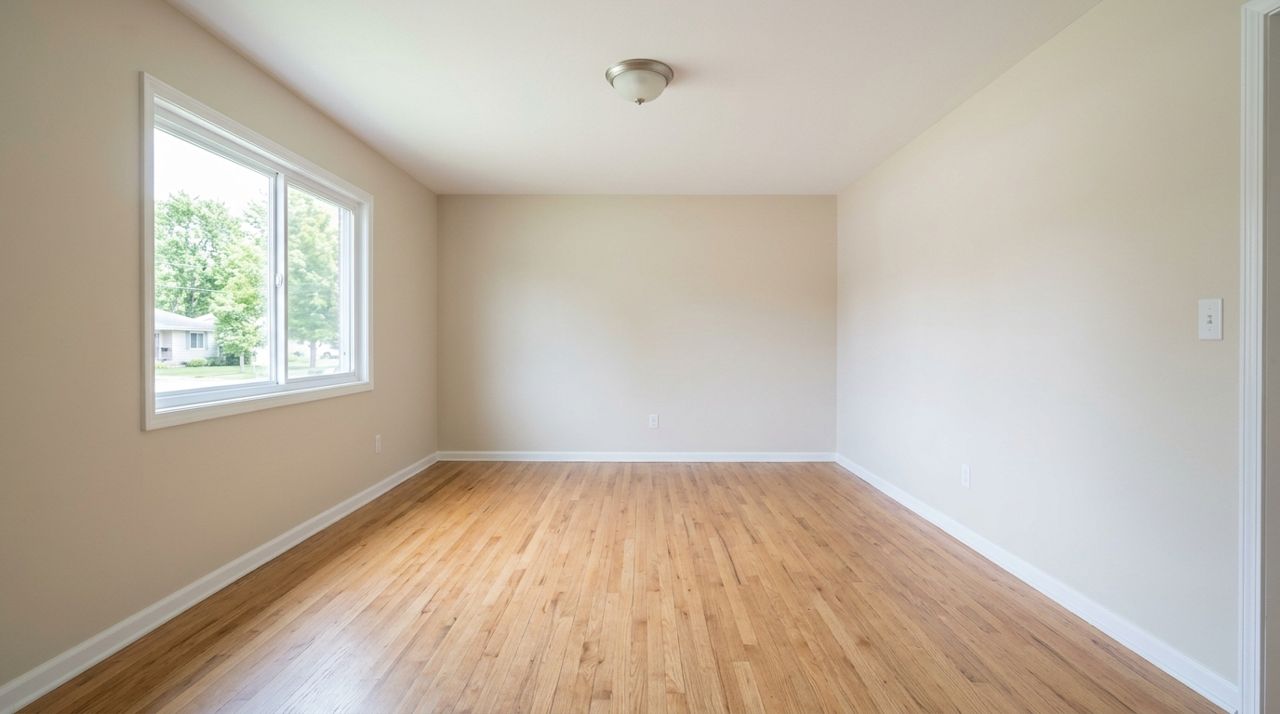
Clean empty room after successful junk and furniture removal showing cleared space Once everything is loaded, walk through the space with the hauler. Check that they took everything on your list and didn't leave debris, nails, or broken pieces behind. Reputable crews sweep up and leave the area clean.
If you notice damage to walls, floors or door frames, document it with photos and discuss it before the crew leaves. Most haulers carry insurance for accidental damage. Ask for a receipt that itemizes the service, disposal fees, and any donations. If you paid through an app, you'll get a digital receipt automatically. Tip isn't expected but is appreciated for especially hard jobs—$20–$40 for a two-person crew on a tough cleanout is generous. Rate your experience while it's fresh; reviews help other people find good haulers and hold bad ones accountable.
- 07
Step 7: Follow up on donations and disposal

Digital donation receipt displayed on smartphone screen after junk removal service completion If your hauler promised to donate usable items, ask which organization they use and whether you'll get a donation receipt. Some haulers will email or text you a receipt within a few days; others hand you a blank receipt to fill in for your records.
If you had electronics, appliances or metal removed, confirm they went to a recycling facility rather than a landfill—this matters for the environment and sometimes for local regulations. If anything went wrong (items left behind, unexpected charges, damage), contact the hauler within 24 hours while details are fresh. Apps like Lumo let you message the pro directly and have a record of the conversation. Most issues get resolved quickly when you speak up right away. If you were happy with the service, save the hauler's contact info for next time or leave a review so others can find them.
Pro tips
- Schedule junk removal for mid-morning on a weekday when haulers are less busy and may offer better rates than weekend rush times.
- Take before-and-after photos of your space for insurance purposes and to document what was removed if questions come up later.
- Ask if the hauler charges by volume or hourly; volume pricing (quarter/half/full truck) is usually more predictable than hourly rates.
- If you have a lot of metal (old appliances, bed frames, file cabinets), mention it—some haulers pay you a small credit because they can sell scrap metal.
- Don't leave valuables mixed in with junk; check pockets, drawers and boxes one last time before the crew arrives.
Frequently asked questions
- How much does it cost to haul away a couch or mattress?
- A single couch or mattress typically costs $75–$150 to haul away, depending on your city and whether stairs are involved. Bulky sectionals or sleep sofas cost more because they take up more truck space. Mattresses sometimes incur an extra recycling fee ($10–$25) due to disposal regulations.
- Can I hire someone to haul junk the same day?
- Many junk removal pros offer same-day or next-day service if you call or book early in the morning. Availability depends on how busy they are and how large your job is. Using an on-demand app like Lumo often connects you with available haulers within a few hours.
- What items will haulers refuse to take?
- Most won't take hazardous materials (paint, chemicals, asbestos, fuel), wet or moldy items that need remediation, or anything illegal. Some won't take old tires, large amounts of concrete, or yard waste. Always ask upfront if you have unusual items like hot tubs, pianos, or safes—these may need specialty movers.
Hiring someone to haul away junk and old furniture saves your back, your weekend, and the hassle of multiple dump runs. With a clear list, fair quotes, and a little preparation, the whole process takes just a couple of hours. Whether you're clearing out after a move, downsizing, or finally tackling that garage, the right hauler makes it easy. Apps like Lumo connect you with local pros who can usually start within a day or two—so you can reclaim your space without lifting anything heavier than your phone.
Photos are illustrative. Service prices are typical ranges and vary by city. How we write our guides.
More guides like this
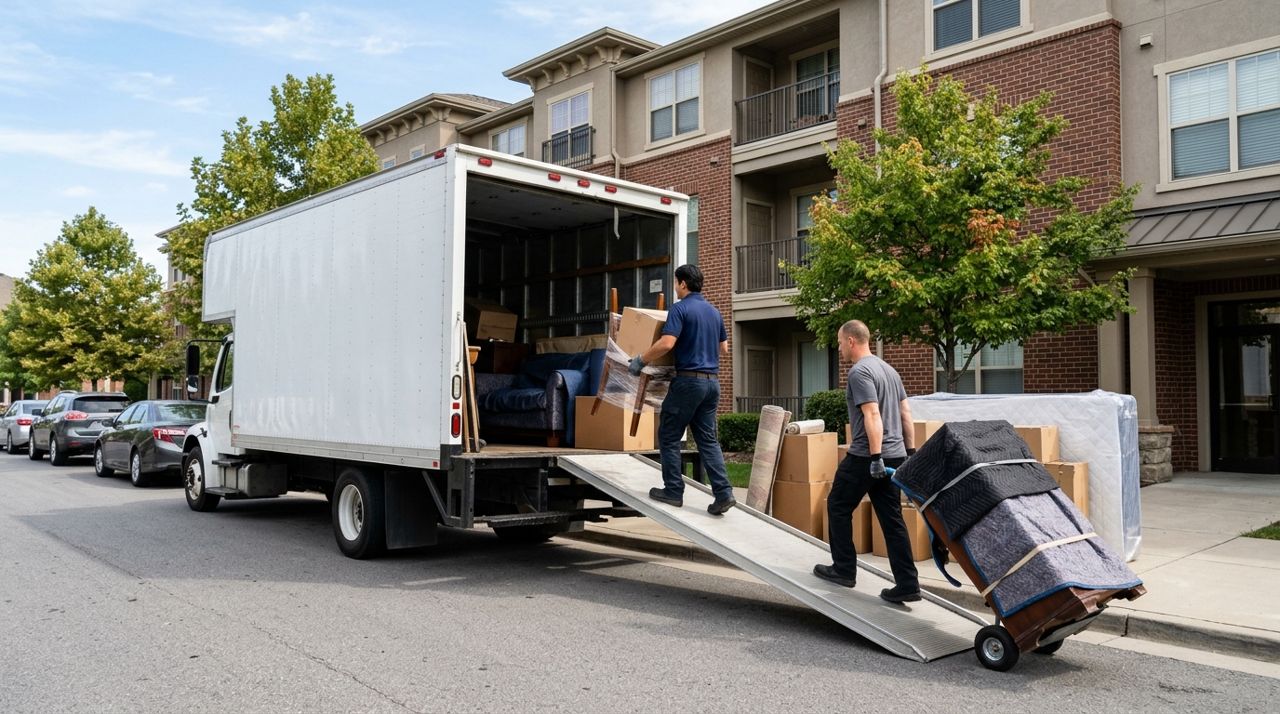
How to Hire Movers for a One-Bedroom Apartment (Without Surprises)
Moving a one-bedroom apartment doesn't require a full moving company's crew and cost. Here's how to hire local movers who'll show up on time, handle your stuff carefully, and charge a fair price.

How to Hire Help Moving a Single Heavy Item in Your City
Moving a couch up three flights of stairs or getting a piano into your basement isn't a one-person job. Here's how to hire local help for single-item moves without overpaying or damaging your home.

How to hire local movers for college dorm move-in day
Moving into a dorm means hauling boxes up narrow stairs, navigating crowded parking lots, and racing the clock on move-in day. Here's how to hire local helpers who know the drill and make it easy.