
How to Make $500+ Every Weekend Helping People Move with Your Truck
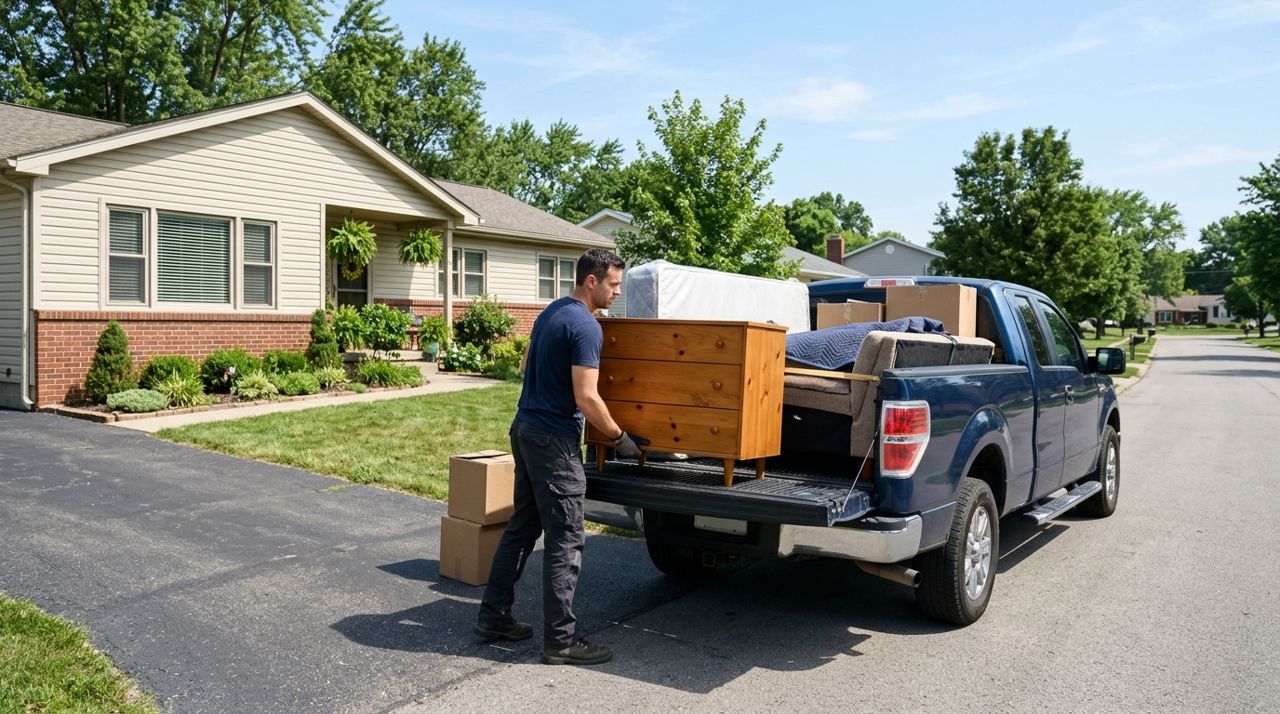
You've got a pickup truck sitting in your driveway most weekends. Meanwhile, people in your city are scrambling to find affordable help moving furniture, hauling appliances, or clearing out storage units. They're paying $40 to $80 per hour for this help, and many of them would rather hire a local person with a truck than rent a U-Haul and do it themselves.
This guide walks through exactly how to start offering moving help as a weekend side hustle—from setting your rates to finding customers, handling the logistics, and building a base of repeat clients. You don't need special licenses or expensive equipment, just a reliable truck, basic moving supplies, and a willingness to lift heavy things.
- 01
Step 1: Set Your Rates and Service Boundaries

Person writing a checklist on clipboard to define service rates and boundaries Before you take your first job, decide what you'll charge and what you will and won't do. Most moving helpers with trucks charge $50 to $80 per hour with a two-hour minimum, depending on the city. If you're just starting out, $50 per hour is fair; as you gain reviews and experience, you can raise it to $65 or $75.
Be clear about what's included: loading, transport, unloading, and basic furniture protection (blankets, straps). Decide upfront whether you'll take stairs (many charge an extra $20 to $40 for second-floor moves), handle pianos or gun safes (usually a flat 'no' unless you have equipment), or provide packing services. Write down your boundaries so you can communicate them clearly when someone books.
- 02
Step 2: Gather Basic Moving Supplies
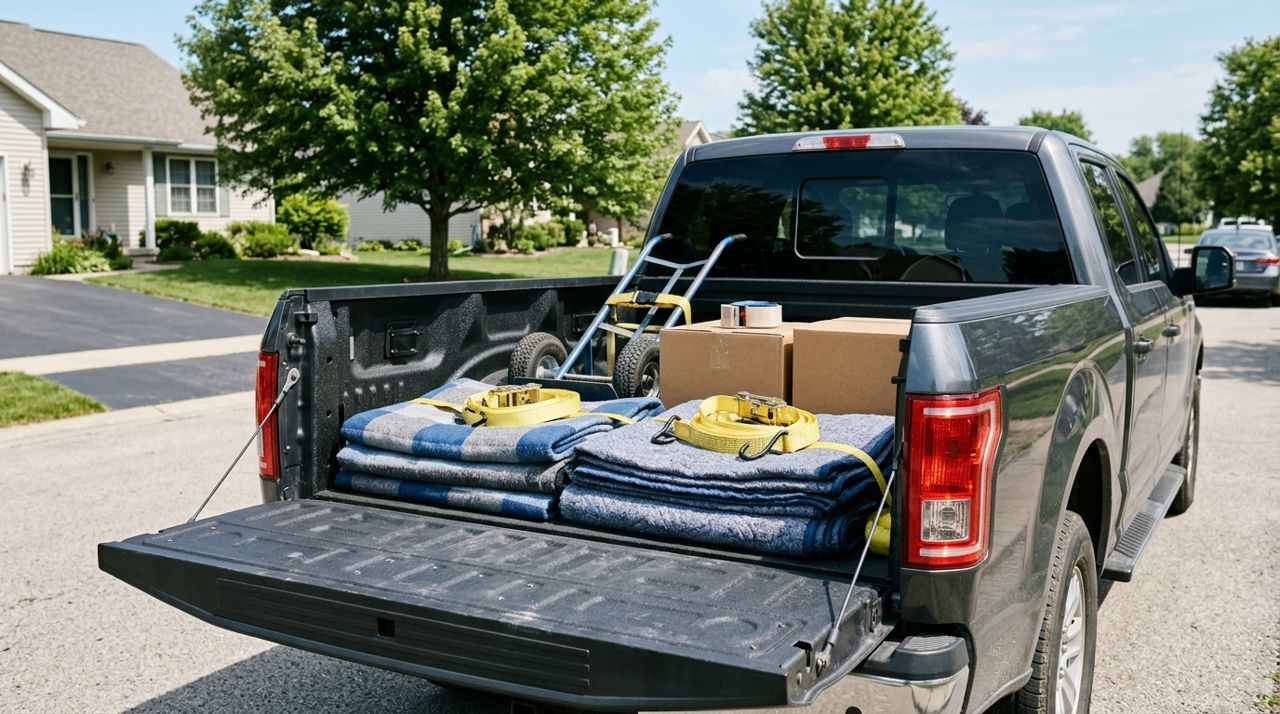
Moving blankets, straps, and dolly organized in back of pickup truck You don't need a full moving company's worth of gear, but a few basics make the job safer and faster. Pick up a set of furniture blankets ($40 for a dozen), ratchet straps ($25 for a four-pack), a dolly ($60 to $100 for a sturdy one), and work gloves. If your truck bed doesn't have a liner, a tarp protects items from dirt and moisture.
Keep these supplies in your truck so you're ready for same-day jobs. If you plan to do this regularly, add a toolkit with a screwdriver set and Allen wrenches—many furniture pieces need quick disassembly to fit through doors. Total startup investment: $150 to $200, which you'll recover after three or four jobs.
- 03
Step 3: List Your Services on Lumo and Other Platforms

Smartphone showing worker profile setup with moving services listed Open the Lumo app, select the Worker mode on the welcome screen, and add 'Moving help' to your list of services. Set your job-alert radius to cover the areas you're willing to drive to—start with 15 miles and adjust based on demand. Fill out your profile with your truck's bed size (6-foot or 8-foot bed matters to customers), your hourly rate, and any limits (no third-floor walkups, for example).
Also list on TaskRabbit, Thumbtack, and Craigslist. Each platform brings different customers: Lumo sends instant alerts when someone nearby needs a mover, while TaskRabbit lets customers compare profiles. Turn on your job alerts Friday afternoon so you catch weekend requests. When you accept a job in Lumo, use the in-app messaging to confirm pickup and drop-off addresses, floor levels, and any large or fragile items.
- 04
Step 4: Walk Through the Job Before You Start
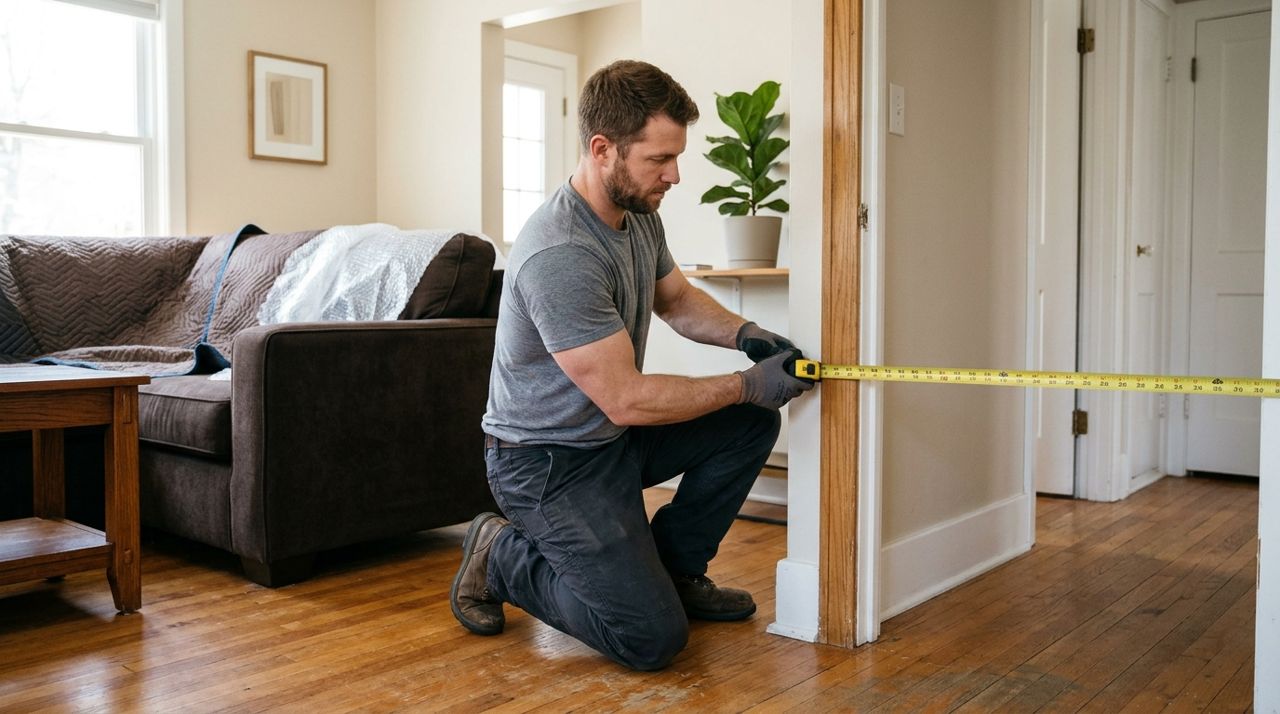
Moving helper measuring doorway width with tape measure before moving furniture When you arrive, spend five minutes walking through the space with the customer. Look at what needs to move, measure doorways if something looks tight, and ask about any items that need extra care. This is when you catch surprises—a sleeper sofa that weighs 300 pounds, a narrow spiral staircase, or a grandfather clock that needs special handling.
If the job is bigger than described, it's fair to renegotiate on the spot: 'This is going to take four hours instead of two, so the total will be $200 instead of $100. Does that work for you?' Most people appreciate the honesty. If they can't pay more, you can walk away—you're running a business, not a charity. Once you've agreed, load strategically: heavy items low and toward the front of the bed, tie everything down with straps, and put blankets between furniture pieces to prevent scratches.
- 05
Step 5: Drive Carefully and Unload Methodically
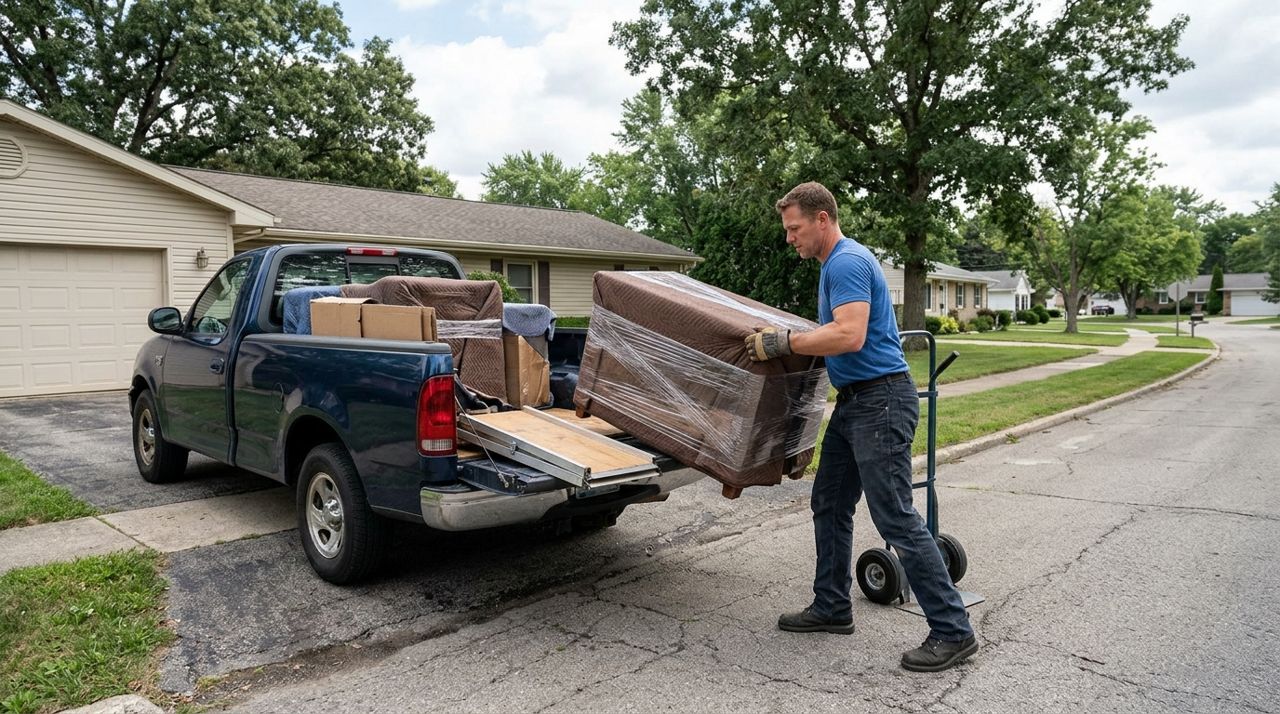
Person carefully unloading wrapped furniture from pickup truck bed With a loaded truck, take turns slowly and avoid sudden stops. Check your mirrors more often than usual—your center of gravity is higher and items can shift. If you're driving more than a few miles, pull over halfway to check that straps are still tight.
At the destination, unload in reverse order of how you loaded (last in, first out). Place items where the customer directs, not just inside the door. If you're unsure whether a couch goes in the living room or the bedroom, ask. Offer to reassemble anything you took apart. Before you leave, do a final walk to make sure nothing was left in the truck and ask if they want any boxes or trash hauled away (this is an easy upsell for $20).
- 06
Step 6: Ask for Reviews and Build Your Reputation

Customer leaving five-star review on smartphone after moving job completed As soon as you finish, ask the customer to leave a review: 'If I did a good job today, a five-star review really helps me get more work.' In Lumo, customers are prompted to rate and review after each job; the more five-star reviews you collect, the higher you'll appear when people search for movers.
Save contact info (with permission) for repeat customers. Many people need moving help two or three times a year—seasonal storage swaps, furniture deliveries, or helping adult kids move. Send a simple text every few months: 'Hi, it's Jake with the truck. Let me know if you need any hauling or moving help.' Repeat customers are the easiest money because they already trust you, and they'll refer friends.
- 07
Step 7: Track Earnings and Manage Your Schedule

Worker writing down job earnings and hours in notebook for record keeping At the end of each weekend, add up your earnings, subtract gas (budget about $10 to $15 per job), and set aside 25% for taxes if you're earning more than a few thousand dollars a year. In Lumo, your earnings land in your in-app wallet and you can pay them out whenever you want. Keep a simple spreadsheet or notebook: date, customer name, hours worked, and amount earned.
As you get busier, block out your available hours clearly. If you only want to work Saturdays from 8 a.m. to 4 p.m., set those as your working hours in the app so you don't get pinged at 7 p.m. on a Sunday. You can pause alerts when you're booked, then turn them back on when you have an opening. Once you're doing four or five jobs every weekend, you're easily clearing $500 to $600—and that's before tips.
Pro tips
- Charge a two-hour minimum even for quick jobs—your time getting there and back has value.
- Take before-and-after photos of high-value items (TVs, antiques) to protect yourself from damage claims.
- Keep bottled water in your truck; moving is thirsty work and small touches make customers happy.
- Learn the 'pivot' technique for getting couches around tight corners—YouTube has dozens of tutorials.
Frequently asked questions
- Do I need special insurance to haul people's belongings?
- Your personal auto insurance typically covers you and your truck, but it may not cover customers' belongings if you damage them. Check with your insurer; some offer a commercial rider for $20 to $40 per month. Many side-hustle movers start without it and add coverage once they're doing regular jobs.
- What if something breaks during the move?
- If you break something, own it immediately and offer to pay for a repair or replacement (take a photo of the damage for your records). Most customers are reasonable if you're honest. Avoid this by moving slowly, using blankets, and asking for help with awkward items.
- How do I compete with big moving companies?
- You're not competing with them—you're serving a different customer. People call you for small jobs (one couch, a few boxes, an appliance swap) that big companies won't touch or charge $200 minimum to handle. Your advantage is speed, flexibility, and price.
A pickup truck and a free weekend are all you need to start making $500 or more helping people move. The work is straightforward, demand is steady year-round, and once you build a reputation, you'll have repeat customers who call you first every time they need something hauled. Start with one or two jobs, learn what works, and scale up as your calendar fills.
Photos are illustrative. Service prices are typical ranges and vary by city. How we write our guides.
More guides like this

How to Start a Cleaning Side Hustle with Basic Supplies
You don't need a franchise or expensive equipment to start earning as a cleaner. With a few basic supplies and the right approach, you can book your first clients this week.

How to Start a Handyman Business with Just Your Toolbox
You already own the tools. This guide shows you how to turn them into a profitable handyman business, from pricing your first job to building a steady client base.

How to Start a Dog Walking & Pet Sitting Side Hustle in 2025
Dog walking and pet sitting can bring in $300-800 a week working part-time, and you set your own hours. Here's how to launch your pet care side hustle from day one.