
How to Recruit Local Restaurants and Shops to Sell on Lumo
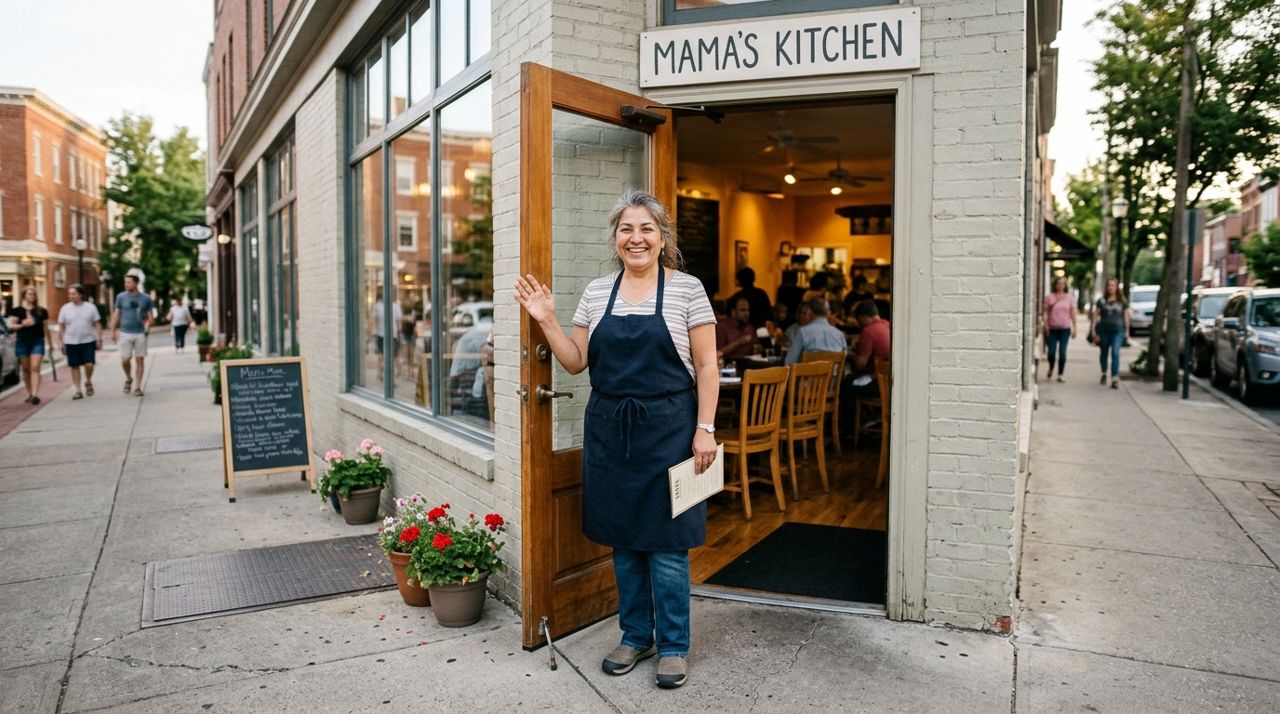
If you've ever wanted to earn money by connecting local businesses with customers, recruiting restaurants and shops to Lumo is one of the smartest side hustles available. Every time a business you recruit makes a sale, you earn a share of the platform's revenue—not just once, but for as long as they keep selling. The best part? You're helping real local businesses grow by giving them a free, low-risk way to reach more customers.
This guide walks you through the entire process: identifying the right businesses, making a pitch that actually resonates, handling objections, and getting shops set up so they start selling quickly. Whether you're recruiting in your own neighborhood or covering a whole city, these steps will help you build a network that generates income month after month.
- 01
Step 1: Identify the Right Businesses to Approach
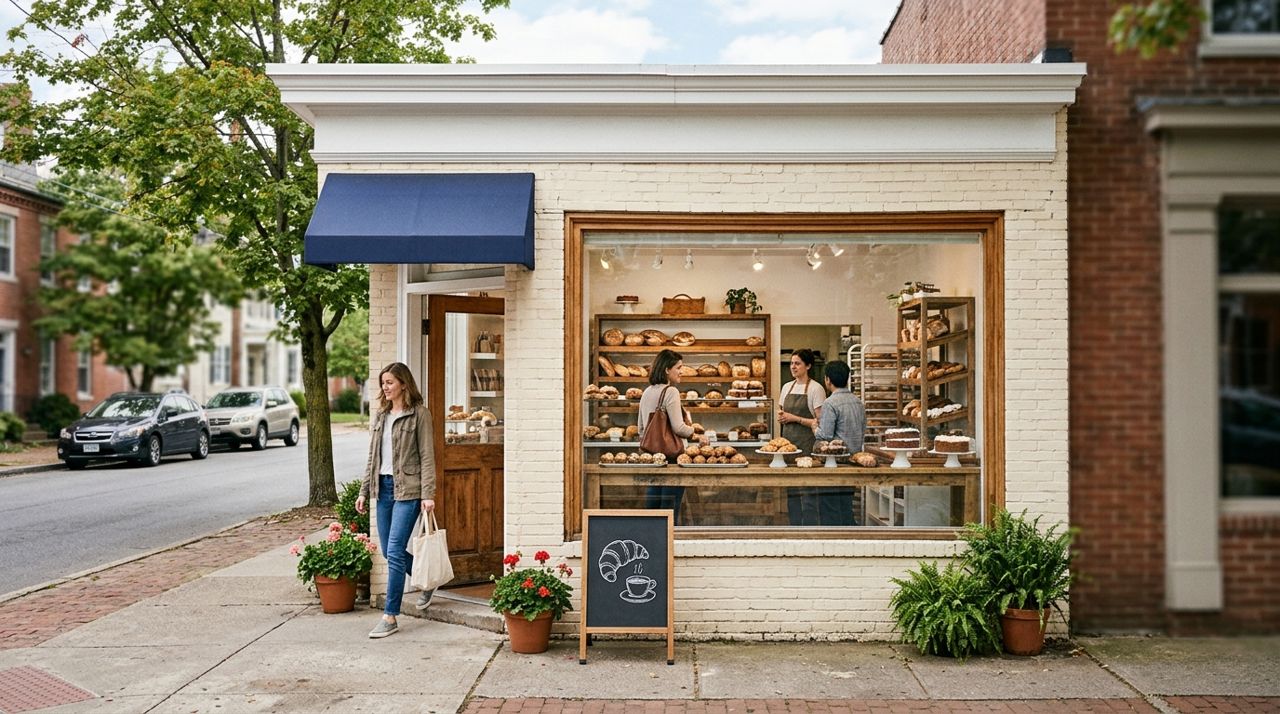
Independent bakery storefront with display window showing fresh baked goods and customers inside Start with businesses that already have a product or menu but might not be maximizing their reach. Independent coffee shops, bakeries, delis, pizzerias, taco trucks, butcher shops, florists, gift shops, and home goods stores are ideal. Look for places that are busy during certain hours but quiet at others—they have capacity to fill more orders. Drive or walk through commercial districts, strip malls, and food truck parks. Make a list with business names, addresses, and contact info. Prioritize owner-operated businesses; they can make decisions on the spot. Skip large chains—they have corporate approval processes that take months.
- 02
Step 2: Prepare Your Pitch and Materials

Person holding smartphone showing app interface to business owner across counter in cafe Your pitch needs to answer one question: 'What's in it for me?' Business owners are busy, so be direct. The key points: setting up a shop on Lumo is free, they only pay a 5% fee when they actually make a sale, and they can reach customers who want pickup or delivery without hiring drivers. Have your phone ready to show the Lumo app, particularly the Seller mode where they can add products and get order alerts. Write a simple one-page overview (or keep notes on your phone) covering: no upfront costs, 5% fee only on completed sales, they control their own menu and prices, and instant order notifications. Practice a 60-second version of this pitch until it sounds natural, not rehearsed.
- 03
Step 3: Make Your Approach During Slow Hours

Business owner and visitor having friendly conversation at quiet cafe table during off-peak hours Timing matters. Never walk into a restaurant during lunch rush or a shop when there's a line. Visit mid-morning (10–11 a.m.) or mid-afternoon (2–4 p.m.) on weekdays. Ask to speak with the owner or manager. Introduce yourself by name, mention you live or work nearby, and say you're helping local businesses reach more customers through a platform called Lumo. Most owners will give you three to five minutes if you're respectful and concise. If the owner isn't available, ask when they'll be in and return then—don't leave materials with an employee who won't care. If you get a 'we're too busy' brush-off, acknowledge it and offer to come back: 'I understand—what's a better day this week?'
- 04
Step 4: Present the Benefits and Handle Objections

Two people shaking hands in small business setting, sealing agreement with smiles Lead with the no-risk angle: 'It's free to set up, and you only pay 5% when someone actually orders.' Emphasize that they control everything—menu, prices, availability—and that customers can choose pickup (no delivery hassle) or delivery (which Lumo handles). Common objections and responses:
- 'We already use DoorDash/Uber Eats.' Response: 'Those charge 15–30%. Lumo is 5%, and you can use both.'
- 'We don't have time to manage another platform.' Response: 'Setup takes 15 minutes. After that, you just get order alerts on your phone.'
- 'We're too small.' Response: 'That's exactly who this helps. You're not competing with chain budgets—you're reaching neighbors who want to support local.'
Stay calm and helpful, not pushy.
- 05
Step 5: Help Them Set Up Their Shop

Hands holding smartphone photographing menu item on table to upload to selling app If they're interested, offer to help set up the shop right then—it makes the difference between 'I'll think about it' and 'We're live today.' Have them download the Lumo app, select Seller mode on the welcome screen, and create an account using their business email or phone. Walk them through adding their shop name, address, business hours, and a profile photo (their logo or a shot of the storefront). Then add five to ten of their most popular items: name, price, description, photo. For restaurants, start with their top sellers and daily specials. For shops, start with best-selling products. Show them how to mark items out of stock and how order alerts work. Leave your contact info in case they have questions later.
- 06
Step 6: Share Your Invite Link and Track Results

Laptop screen displaying recruiter dashboard with earnings statistics and performance leaderboard rankings Before you leave or as you help them set up, make sure they sign up through your unique Lumo recruiter invite link. This ensures you get credit for every sale they make. You can find your link in the Recruiter Hub at golumo.app. If you helped them set up in person and they already created an account without your link, they'll need to delete the account (in Settings) and sign up again using your link—explain this matters because it connects their shop to you. After you've recruited a few businesses, check your Recruiter Hub regularly to see how many orders they're completing. The dashboard shows each recruit's earnings, and you can see monthly and all-time leaderboards by city. The top three recruiters each month win $100, $50, and $25.
- 07
Step 7: Follow Up and Expand Your Network
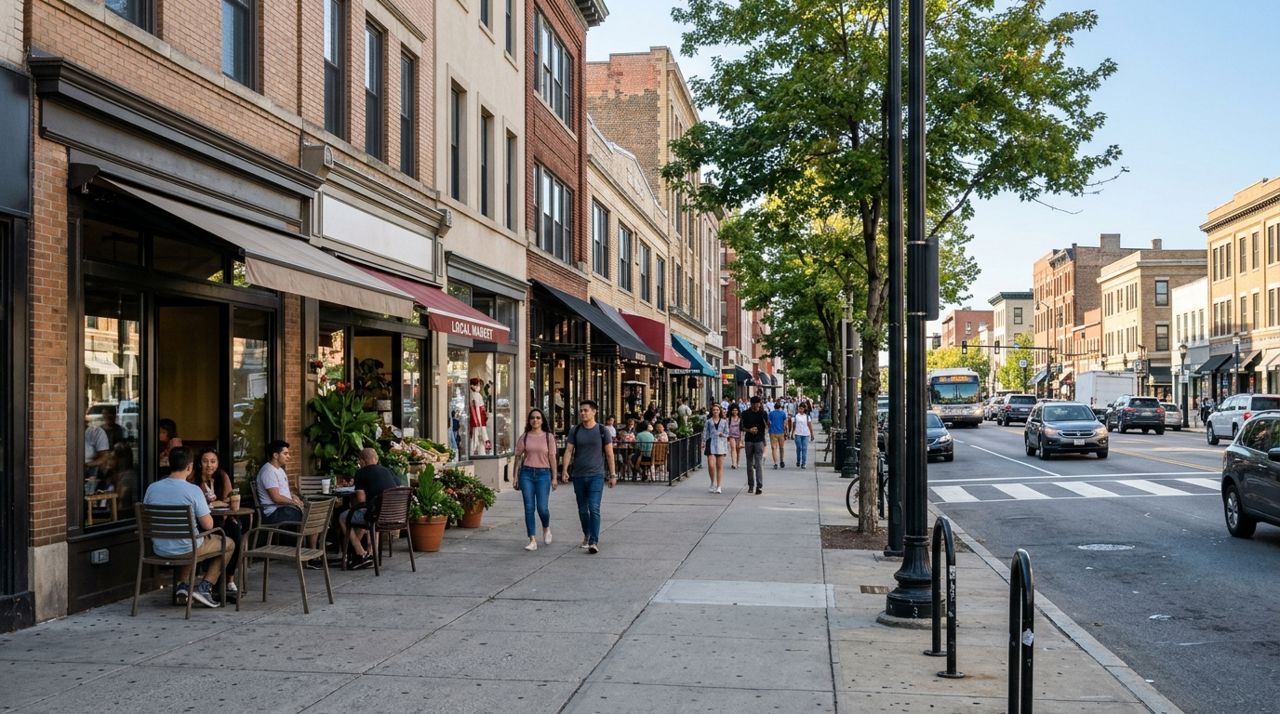
Urban street with multiple small business storefronts, restaurants, and shops along busy sidewalk Check in with your recruits a week after they go live. Text or stop by and ask how the first few orders went, if they need help adding more items, or if they have questions. This follow-up builds trust and increases the chance they'll tell other business owners about Lumo. Ask for referrals: 'Do you know other shop owners who might want to try this?' Word-of-mouth from one business owner to another is more powerful than any cold pitch. As you sign up more businesses, you create a flywheel—more sellers attract more customers, more customers attract more sellers, and your recurring income grows with every transaction. Focus on density: ten businesses in two neighborhoods is better than ten businesses scattered across the city.
Pro tips
- Recruit in clusters—when you sign up one pizza place, approach the sandwich shop and ice cream parlor nearby. Customers order from multiple places.
- Bring a small incentive on your first visit: 'I'll be your first order'—buy a coffee or snack to build rapport before you pitch.
- Target food trucks at commissaries or truck parks in the morning when they're prepping—they're more relaxed than during service.
- Track which pitches work and which don't. Refine your script based on real feedback, not what sounds good in your head.
- Focus on owner-operators who work the counter. They see the problems (slow afternoons, wasted inventory) that Lumo solves.
Frequently asked questions
- Do I get paid every time a shop I recruited makes a sale?
- Yes. Once you recruit a seller using your unique invite link, you earn a share of the revenue from their sales as long as they remain active on Lumo. You can track all earnings and activity in the Recruiter Hub at golumo.app.
- What if a business signs up but never actually lists products or gets orders?
- You only earn when they complete transactions, so focus on helping them set up properly and add popular items right away. Shops that go live with at least five listings and clear photos are far more likely to get orders and generate income for you.
- Can I recruit businesses in multiple cities or states?
- Absolutely. Your recruiter account works anywhere Lumo operates. The Recruiter Hub shows leaderboards by city, so you can even compete for monthly bonuses in multiple markets if you're recruiting across regions.
Recruiting restaurants and shops to Lumo is straightforward work that pays you long-term. Every business you bring on becomes a source of recurring income—and you're genuinely helping local owners reach more customers without the heavy fees of other platforms. Start with ten businesses this week, help them go live, and watch your recruiter dashboard grow. The more you put in now, the more passive income you'll see next month and beyond.
Photos are illustrative. Service prices are typical ranges and vary by city. How we write our guides.
More guides like this

How to Recruit Gig Workers and Earn Passive Income with Referrals
Recruiting gig workers with your personal invite link turns your network into passive income. Here's how to share your link, track referrals, and compete for monthly cash prizes.

How to Track Your Crew's Jobs and Earnings in the Recruiter Hub
The Recruiter Hub at golumo.app gives you a live dashboard of everyone you've brought onto Lumo, the jobs they've completed, and your monthly earnings. Here's how to use it to track your recruiting performance and climb the leaderboard.

How to Win the Lumo Monthly Recruiter Leaderboard
Lumo rewards its top three recruiters each month with $100, $50, and $25 cash prizes. Here's how to track your performance, understand the leaderboard, and use smart tactics to claim a top spot.