
How to Start a Lawn Care Side Hustle: Real-World Setup Guide
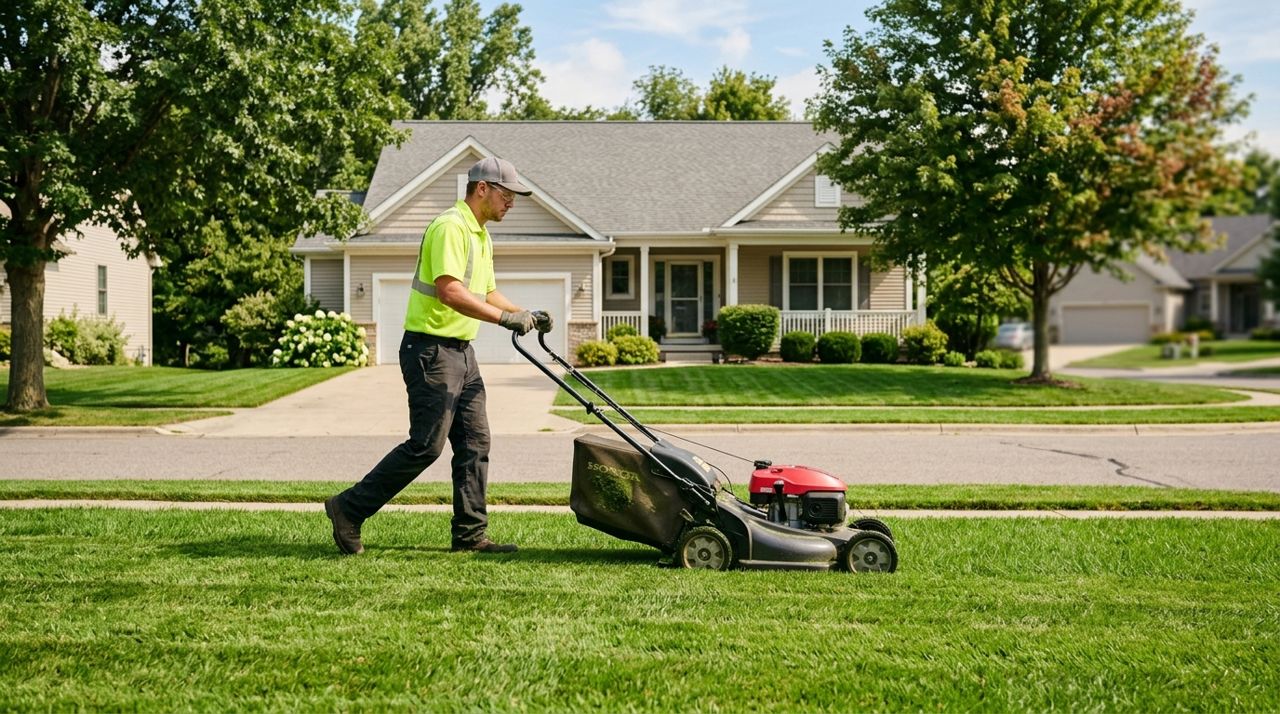
Every neighborhood has overgrown lawns, weedy flower beds, and homeowners who'd rather pay someone than spend Saturday sweating behind a mower. The lawn care market is wide open for anyone willing to show up on time and do clean work. Most operators charge $30-60 per hour depending on the city and services, and you can start with equipment you already own or pick up used.
This guide walks through the actual steps to launch a lawn care side hustle: what equipment you need, how to price your services, where to find clients, and how to manage bookings without a complicated website or storefront. Whether you're looking to earn an extra $500 a month or build a full seasonal business, here's the blueprint.
- 01
Step 1: Choose your core services and define your offering
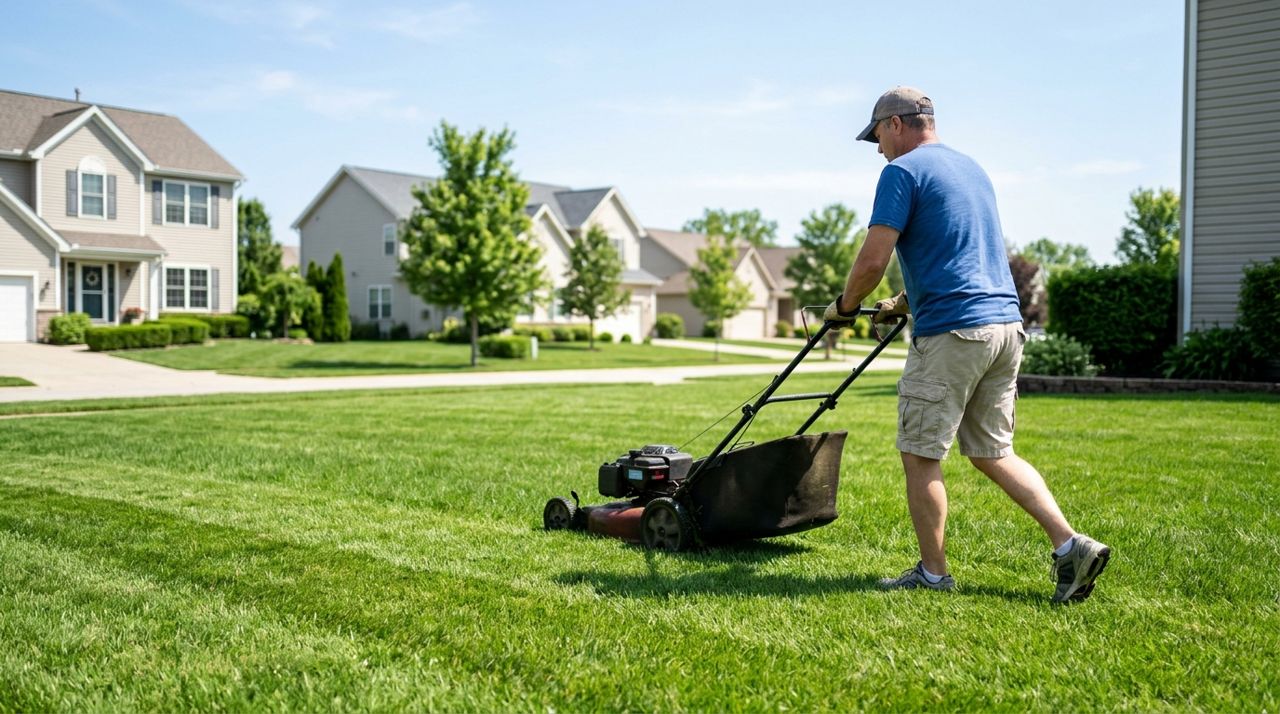
Person pushing a lawn mower across a residential green lawn on a sunny day Start with basic lawn mowing—it's the bread-and-butter service that builds a client base. Typical mowing rates run $30-50 for an average suburban lot (quarter acre), higher in expensive metro areas. Add seasonal services to increase your per-job revenue: leaf removal in fall ($50-100), hedge trimming ($40-80), flower bed weeding ($35-60/hour), mulching ($50-120 depending on bed size), and spring/fall cleanup packages. Don't try to offer everything at first. Pick 3-4 services you can do well with the equipment you have or can afford. You can always expand as you learn what clients request most and what makes you the best money per hour.
- 02
Step 2: Get the right equipment without overspending
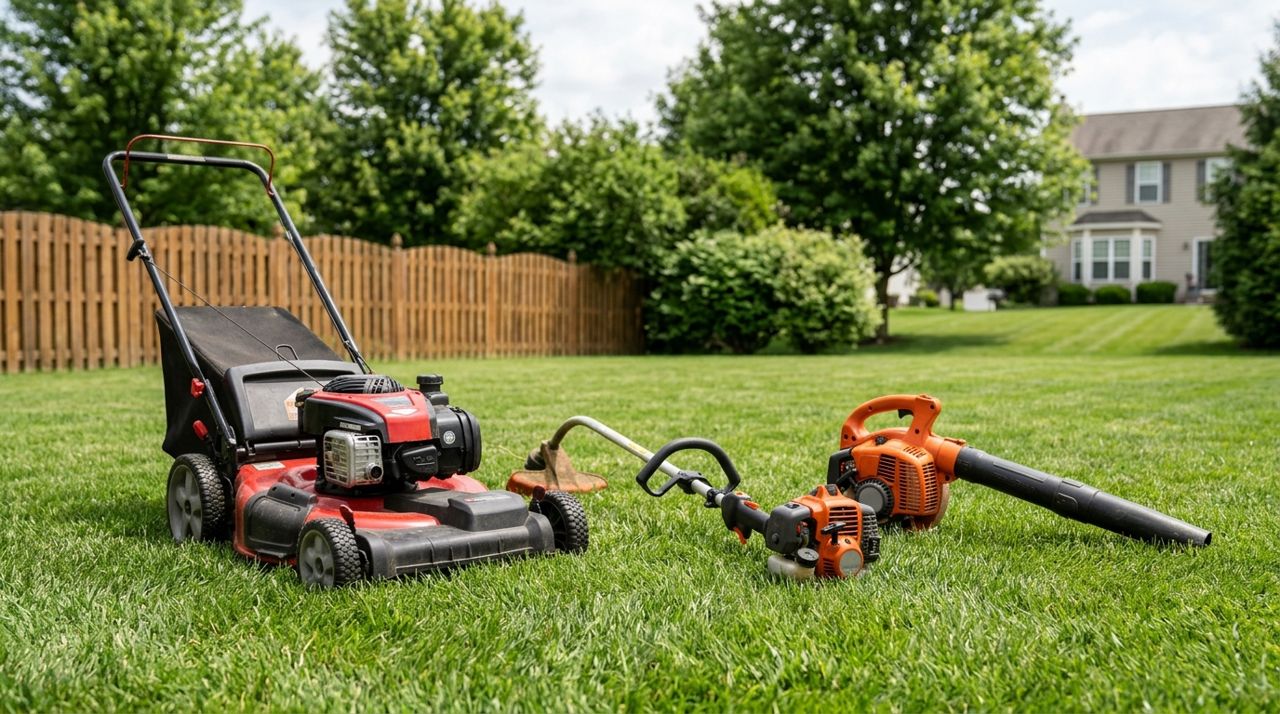
Lawn care equipment including mower, trimmer, and blower arranged on grass You don't need a $15,000 commercial zero-turn to start. A reliable walk-behind mower ($200-400 used, $300-600 new), a string trimmer ($80-150), a leaf blower ($60-120), work gloves, and safety glasses are enough for your first dozen clients. Buy a sturdy rake ($15-25) and hedge clippers ($30-50) if you're offering seasonal work. If you already own a mower and trimmer, you're 90% of the way there. As you book regular clients, reinvest earnings into a better mower, a trailer if you're using a truck, and a backpack blower for faster leaf work. Resist the urge to finance expensive equipment before you have steady income—plenty of successful lawn care operators started with a $150 Craigslist mower and a hatchback.
- 03
Step 3: Set your pricing structure and service packages
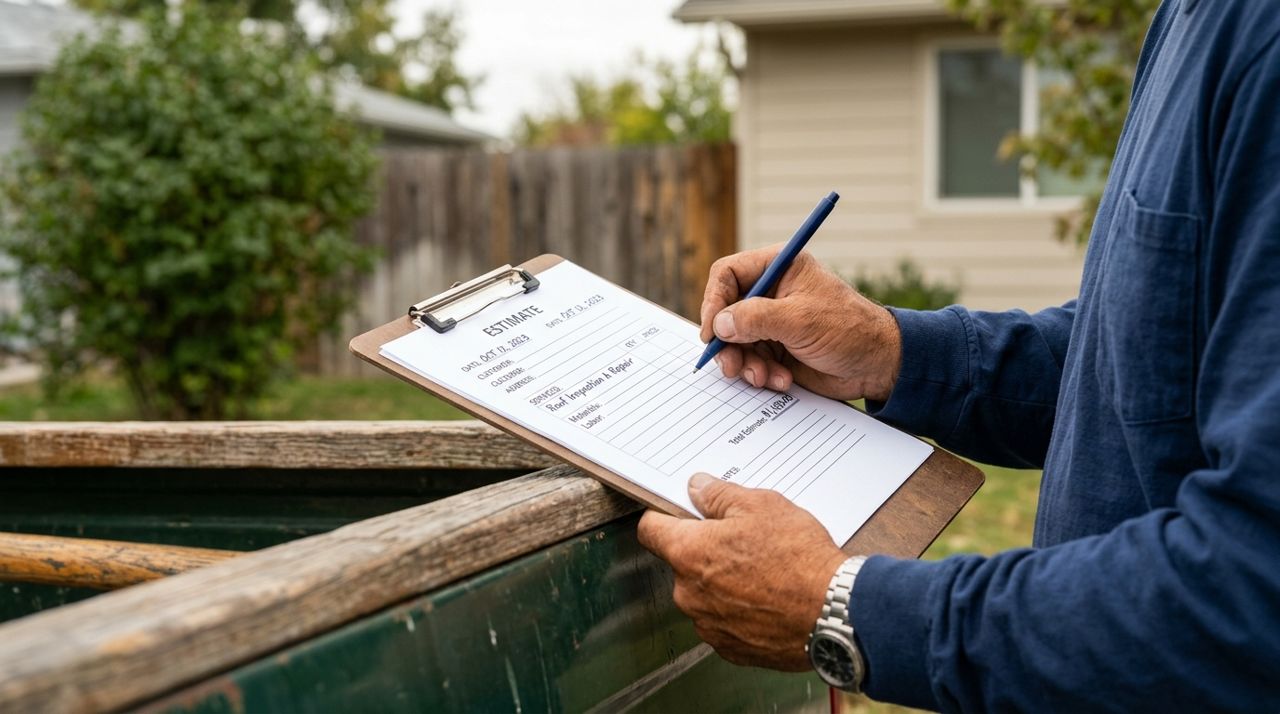
Close-up of hands writing a service estimate on a clipboard outdoors Price by the job, not the hour, so clients know what they'll pay upfront. For mowing, base your rate on lot size: small city lots ($25-35), typical suburban quarter-acre ($35-50), half-acre ($50-75), and larger properties ($75-120+). Walk the property or use satellite images to estimate time and adjust for slopes, obstacles, or overgrowth. For seasonal work, quote per task: leaf cleanup ($60-150 depending on tree cover), hedge trimming ($40-80), bed weeding ($40-70), mulch delivery and spreading ($100-180 for 5-7 yards). Offer package deals to lock in repeat clients: 'Four weekly mows for $160' or 'Spring cleanup plus first mow for $120.' Always include trimming and blowing walkways in your mowing price—it's expected.
- 04
Step 4: Find your first clients and build your route
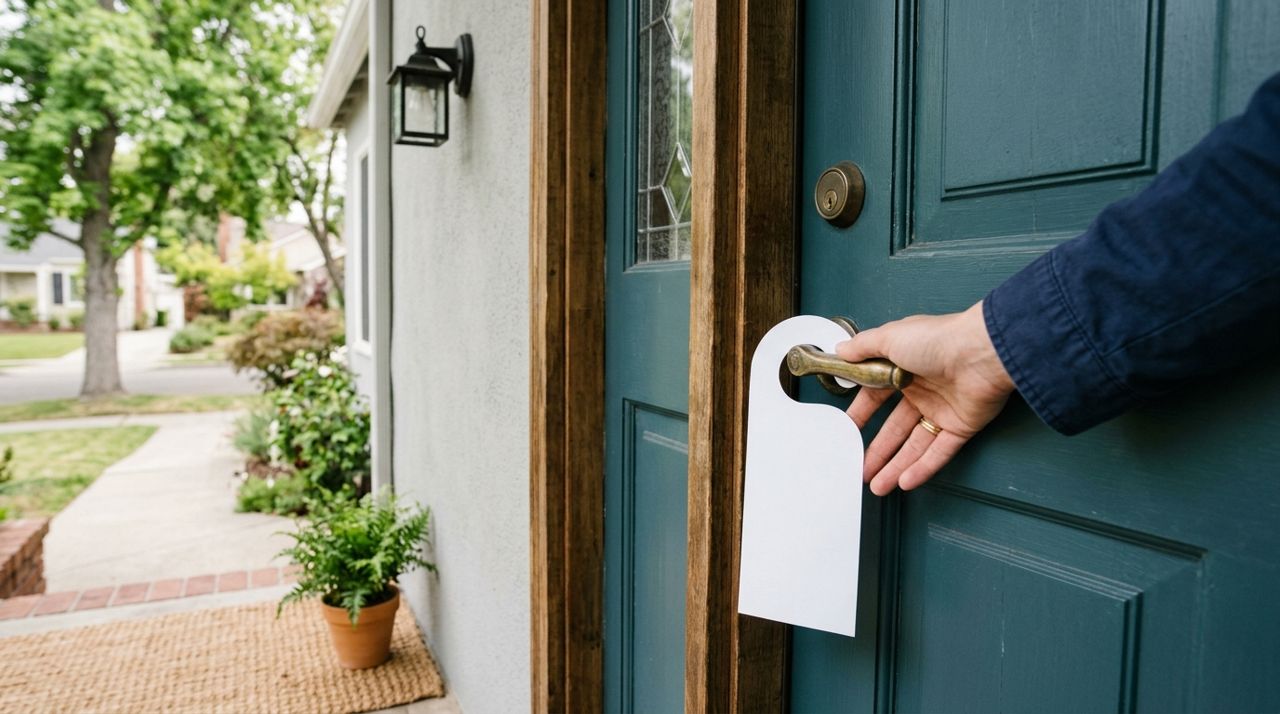
Hand placing a printed service flyer on a residential front door handle Start in your own neighborhood. Walk around on trash day and look for overgrown lawns or homes with older residents who might welcome help. Leave a simple door hanger with your name, services, phone number, and a first-time discount ($5-10 off). Post in neighborhood Facebook groups, Nextdoor, and local community boards. Ask friends and family to refer you in exchange for a free mowing. Apps like Lumo let you list your lawn care services, set your working area and hours, and get instant alerts when someone nearby books yard work—you keep 90% of the job price, no wasted ad spend. Once you have 3-4 regular clients, ask each one for a referral. Lawn care spreads by word of mouth faster than almost any other service because neighbors see your work every week.
- 05
Step 5: Schedule jobs efficiently and communicate clearly

Person holding smartphone and texting while standing in a residential yard Group jobs by neighborhood to cut down drive time. If you can line up three lawns on the same street, you'll finish them faster and earn more per hour. Set a regular day for each client—'I mow your place every Tuesday'—so they expect you and you build a predictable route. Confirm the day before by text: 'I'll be there tomorrow between 1 and 3 PM.' When you arrive, knock or text to let them know you're starting. If you find something that needs attention (broken sprinkler head, wasp nest, dog waste blocking your path), send a quick photo and ask how they want you to handle it. After the job, text a quick completion note and a photo if it's a first-time client or a big cleanup. Clear communication separates you from flaky competitors.
- 06
Step 6: Get paid reliably and manage your money

Close-up of hands holding phone showing a mobile payment app screen Decide whether you'll take cash, check, Venmo, or card payments. Cash and Venmo are simplest but require tracking for taxes. If you use an app like Lumo, customers pay securely in the app and your earnings land in your in-app wallet; you can transfer the funds whenever you want. For direct clients, send a text invoice immediately after finishing: 'All done! Your total is $45. You can Venmo me at [handle] or leave cash in the mailbox.' Most people pay the same day. Keep a simple spreadsheet with client name, date, service, and amount so you have records at tax time. Set aside 25-30% of your earnings for taxes if you're doing this as self-employment. After six months, look at your numbers: if you're making $1,500+ a month, it's time to think about liability insurance ($300-500/year) and possibly an LLC.
- 07
Step 7: Build repeat clients and grow steadily
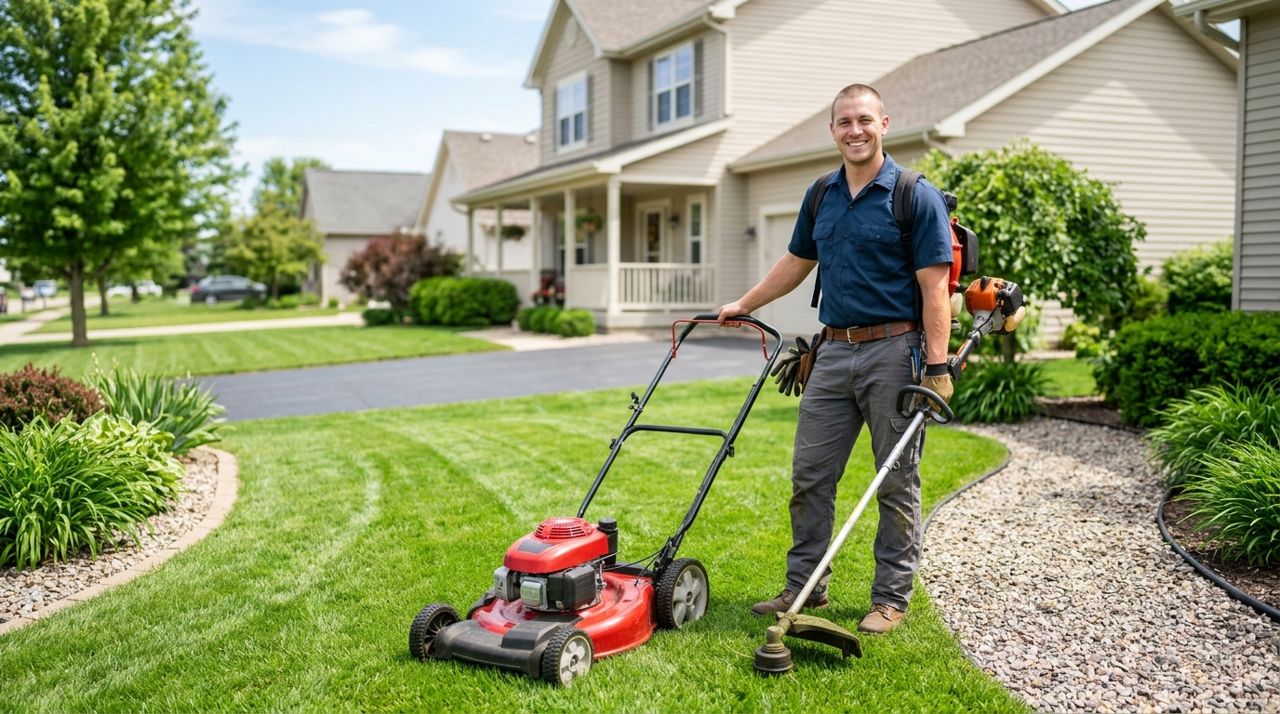
Lawn care worker smiling while standing next to neatly trimmed yard with equipment Your goal is a roster of weekly or biweekly mowing clients who pay you reliably from April through October. Twelve regular mowing clients at $40 each per week is $1,920/month for 15-20 hours of work. Treat those core clients like gold: show up on time, do edges cleanly, blow clippings off the driveway, and text when you're done. Add seasonal upsells in spring (cleanup, mulch) and fall (leaves, winterizing beds). When a client moves or cancels, replace them quickly by asking your other clients for referrals or reposting your availability. Track which neighborhoods pay best and have the easiest access, then focus your growth there. After a year, you'll know your market, your capacity, and whether this side hustle should become your main gig.
Pro tips
- Always carry extra trimmer line, gas, and 2-cycle oil so you never lose time mid-job.
- Take before-and-after photos of seasonal cleanups; they're your best marketing material.
- Mow in the early morning or late afternoon in summer to avoid the worst heat and dehydration.
- Wear ear protection and safety glasses every single time—hearing and eye damage is permanent.
- If a client is consistently late paying or rude, drop them; your time is worth more than problem customers.
Frequently asked questions
- Do I need a business license or insurance to mow lawns?
- It depends on your city and how much you earn. Most places don't require a license for occasional lawn care, but if you're doing this regularly you should check local rules. Liability insurance ($300-500/year) is smart once you have steady clients in case you break a window or someone trips over your equipment. Start simple, then formalize as you grow.
- How do I compete with big lawn care companies?
- You're faster, more flexible, and more personal. You can start a new client the same week they call; big companies book weeks out. You text updates and show up yourself every time; they send different crews. Price competitively but not dirt-cheap—$5 less than the big guys is enough to win business without looking desperate.
- What if I don't have a truck or trailer?
- Plenty of lawn care side hustlers use a sedan or SUV with the seats folded down. A small push mower, trimmer, and blower fit in most hatchbacks. You won't be able to haul a riding mower or huge loads of leaves, so focus on smaller properties and standard mowing until you can afford a truck or a small utility trailer ($400-800 used).
Lawn care rewards people who show up, do clean work, and treat clients with respect. You can book your first job this week with equipment you already own and grow into a reliable income stream that pays $1,500-3,000 a month within a season. Start with a handful of neighbors, build your route one yard at a time, and let your work speak for itself. The demand is there—just get out and mow.
Photos are illustrative. Service prices are typical ranges and vary by city. How we write our guides.
More guides like this
How to Start a Cleaning Side Hustle with Basic Supplies
You don't need a franchise or expensive equipment to start earning as a cleaner. With a few basic supplies and the right approach, you can book your first clients this week.

How to Start a Handyman Business with Just Your Toolbox
You already own the tools. This guide shows you how to turn them into a profitable handyman business, from pricing your first job to building a steady client base.

How to Start a Dog Walking & Pet Sitting Side Hustle in 2025
Dog walking and pet sitting can bring in $300-800 a week working part-time, and you set your own hours. Here's how to launch your pet care side hustle from day one.