
How to Find a Home Near Work and Cut Your Commute in Half

If you spend an hour each way commuting, you're giving up nearly 500 hours a year sitting in traffic or waiting for trains. That's three full weeks of your life. Moving closer to work isn't just about convenience—it's about reclaiming time for sleep, exercise, family, or side projects. It also saves on gas, car maintenance, and transit passes, often offsetting higher rent in popular neighborhoods.
This guide walks you through the real-world steps to find a home that keeps you close to your job while staying within budget. You'll learn how to map realistic commute zones, compare neighborhoods, factor in hidden costs, and evaluate listings with your daily routine in mind.
- 01
Step 1: Map your ideal commute radius from work

Someone using a pen to circle neighborhoods on a printed city map Start by pinning your workplace on a map and drawing circles at 15, 30, and 45-minute commute times using your actual mode of transport—driving, public transit, biking, or walking. Google Maps and similar tools let you see travel times at different hours. Check rush-hour conditions, not midday estimates. A neighborhood that's 20 minutes away at 10 a.m. might be 50 minutes at 8 a.m. Write down the neighborhoods that fall within your target commute window. If you use transit, note which bus or train lines serve those areas and how often they run. If you drive, check parking availability and costs near your office. This radius becomes your search boundary.
- 02
Step 2: Set your budget including commute costs
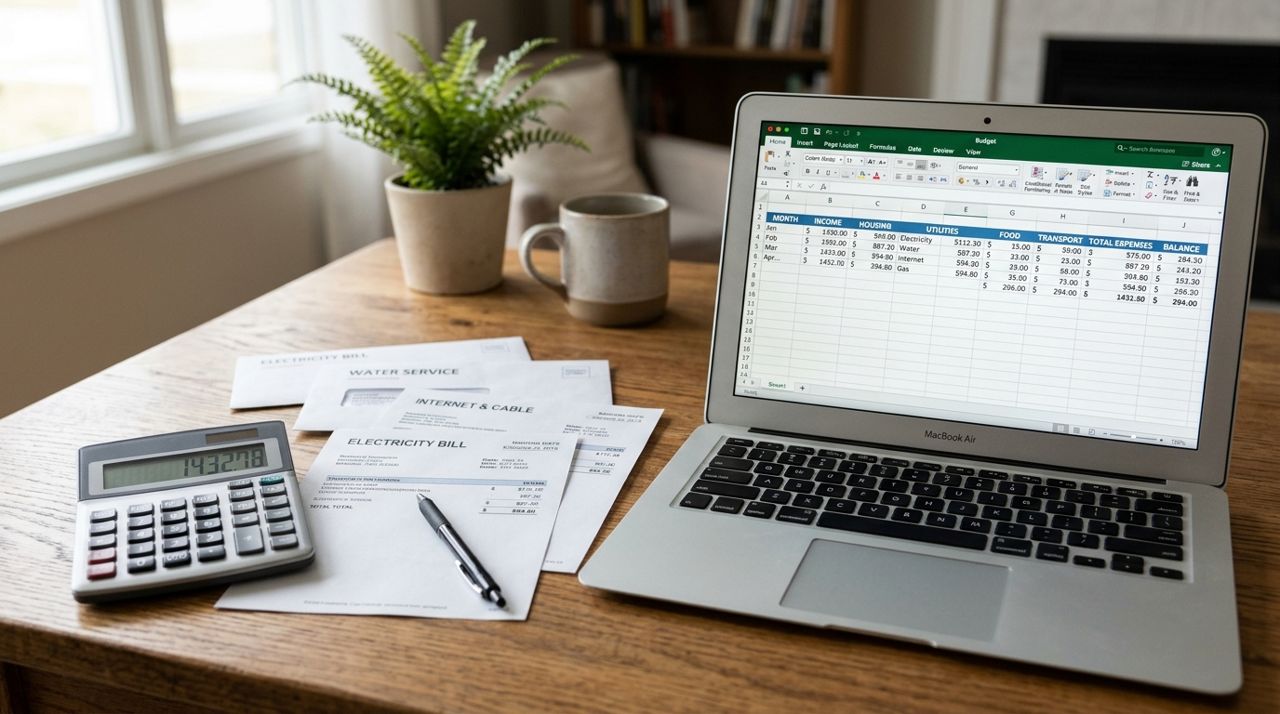
Calculator and utility bills on a desk next to a budget spreadsheet Calculate what you can truly afford by adding rent, utilities, and monthly commute expenses together. Driving costs roughly 65 cents per mile when you include gas, insurance, maintenance, and depreciation. A 30-mile daily round trip adds $390 a month. Transit passes in major cities run $80 to $150. A place that's $200 more per month but cuts your commute from 20 miles to 2 miles actually saves you money. Use a spreadsheet with columns for rent, electric, internet, parking, gas or transit, and total monthly cost. Compare three or four neighborhoods this way. Don't forget to factor in time saved—an extra hour a day is worth real money in freelance work, sleep, or sanity.
- 03
Step 3: Browse listings in your target zones

Hand holding phone displaying rental apartment listings and map view Open Lumo in Real Estate mode and filter by your preferred neighborhoods, price range, and home type (apartment, house, condo). You can browse homes for sale, long-term rentals, and short stays all in one place. Save the homes that interest you by tapping the heart icon so you can compare them later. Pay attention to the exact street address—two buildings four blocks apart can have wildly different commute times depending on freeway access or subway stops. Read listing descriptions for clues about parking, noise, and walkability. Look at posted photos for natural light, kitchen size, closet space, and overall condition. If a listing mentions 'cozy' or 'vintage charm,' it often means small or outdated.
- 04
Step 4: Test the actual commute at rush hour
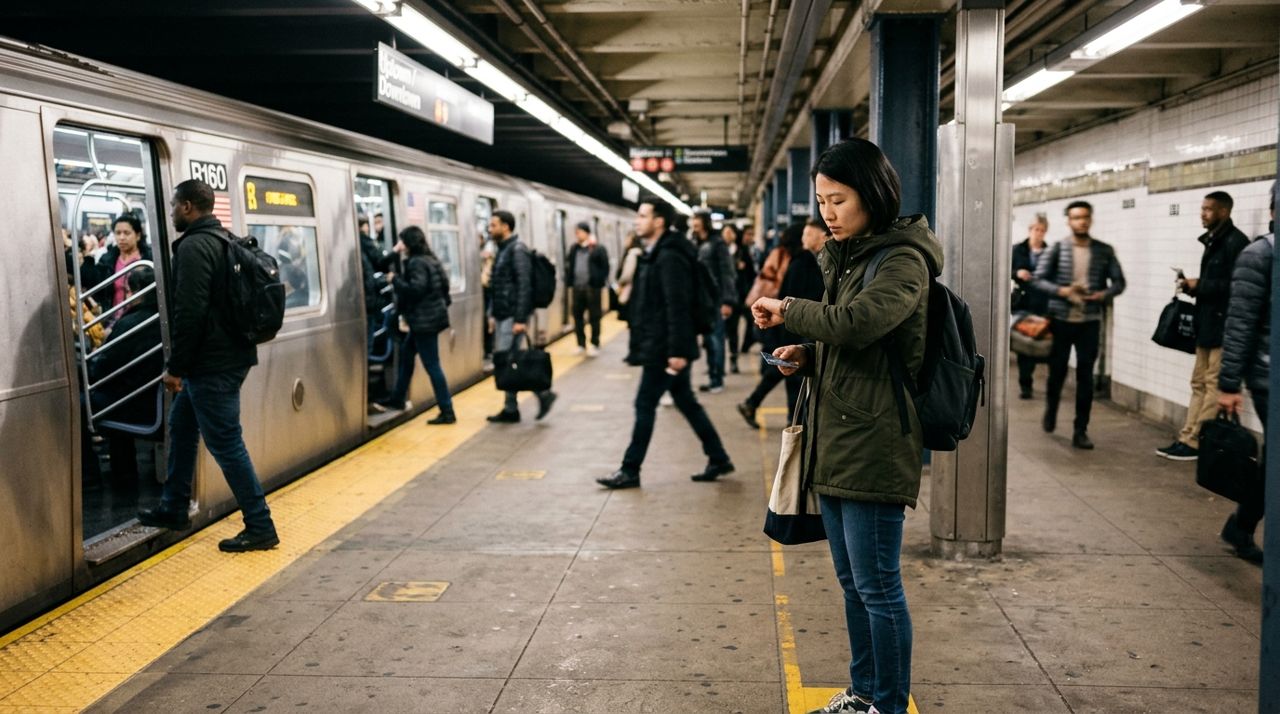
Commuter checking watch while standing on subway platform during morning rush Before you sign anything, make the commute yourself during the hours you'll actually travel. Leave the apartment at 7:45 a.m. on a Tuesday or Wednesday and time the trip door-to-door. Do the same thing going home at 5 p.m. or whenever your workday ends. Bring a notebook and jot down hassles: construction, delayed trains, hard left turns, lack of bike lanes, sketchy areas. If you're taking transit, count the walking time from your door to the stop and from the stop to your office. A 15-minute train ride becomes 35 minutes when you add two 10-minute walks. Do this test twice if possible—once in good weather, once in rain or snow if your city has seasons.
- 05
Step 5: Evaluate the neighborhood for daily needs

Woman walking down a tree-lined residential street carrying a reusable shopping bag - Grocery stores, gas stations, banks, and pharmacies within a mile
- Parks, gyms, coffee shops, and restaurants you'd actually use
- Safety indicators—street lighting, foot traffic, maintained sidewalks
- Noise sources like highways, airports, bars, or train tracks
Check online crime maps and local community forums. Ask people you see on the street what they like and dislike about living there. Visit on a Saturday morning to see if the neighborhood feels alive or deserted on weekends.
- 06
Step 6: Contact landlords or agents through Lumo

Two people shaking hands in an empty apartment during a property showing Once you've narrowed your list to three or four homes, reach out using Lumo's in-app messaging. Introduce yourself briefly, mention your move-in timeline, and ask to schedule a viewing. Prepare questions: Is parking included? Are pets allowed? What utilities are covered? When is rent due? What's the lease length? How quickly can you move in? If you're buying, ask about property taxes, HOA fees, and any upcoming assessments. Take notes during the showing. Look for water stains, outlet placement, closet depth, and cell signal strength. Open cabinets, flush toilets, test faucets. A five-minute inspection can reveal deal-breakers the photos hid.
- 07
Step 7: Lock in your place and plan the move

Couple unpacking cardboard moving boxes in their new apartment living room When you've chosen your home, confirm all terms in writing before you pay anything. For rentals, get a signed lease that spells out rent, deposit, move-in date, and responsibilities. For purchases, work with your lender and attorney to finalize the deal. Transfer or start utilities (electric, gas, internet, water) a few days before move-in so everything works when you arrive. If you need help moving, book local movers or handymen early—weekends and month-ends fill up fast. Pros on Lumo typically charge $40 to $80 per hour for moving help, but rates vary by city. Update your address with your employer, bank, insurance, and the post office. On your first morning, do a trial commute so you're not late on day one.
Pro tips
- Consider a short-term rental first—live in the neighborhood for three months to confirm you like it before signing a year lease.
- If you bike to work, make the test ride in work clothes with a backpack to see how sweaty and tired you'll be.
- Factor in winter: a 15-minute walk is easy in May but miserable in January sleet.
- Use Lumo to save multiple homes in different neighborhoods so you can compare them side by side with notes.
Frequently asked questions
- How much should I spend on rent to live closer to work?
- A good rule is to keep total housing plus commute costs under 30% of your gross income. If living closer costs $300 more but saves $150 in gas and 10 hours a month, that's often worth it. Run the numbers with your real income and commute expenses—every situation is different.
- Can I find short-term rentals on Lumo while I look for a permanent place?
- Yes. Lumo lists short-term stays along with long-term rentals and homes for sale, all in the Real Estate mode. You can filter by dates and book a place for a month or two while you search for something permanent.
- What if I work hybrid and only commute two days a week?
- You have more flexibility. Expand your search radius to 45 or 60 minutes since you won't make the trip daily. Focus on neighborhoods with good weekend amenities and lower rent—you'll spend more time there than at the office.
Living close to work isn't just a luxury—it's a practical way to save time, money, and stress every single week. By mapping realistic commute zones, testing the trip during actual rush hours, and factoring in hidden costs, you'll find a home that fits your routine and your budget. Open Lumo, browse homes near your office, and start reclaiming those lost commute hours.
Photos are illustrative. Service prices are typical ranges and vary by city. How we write our guides.
More guides like this
How to Find a Long-Term Rental Apartment in a New City: A Step-by-Step Guide
Finding a rental apartment in an unfamiliar city can feel overwhelming, but breaking the process into clear steps makes it manageable. This guide walks you through searching listings, evaluating neighborhoods, and locking down the right place.

How to Book a Short-Term Rental for Your Work Trip in 7 Steps
Booking a short-term rental for a work trip doesn't have to be complicated. Follow these seven practical steps to find the right place, check what you need, and confirm your stay.
How to List Your Home for Sale Without Paying Listing Fees
Listing your home for sale doesn't have to cost you hundreds or thousands in upfront fees. Here's how to create a free listing that reaches serious buyers.