
How to List Your Home for Sale Without Paying Listing Fees
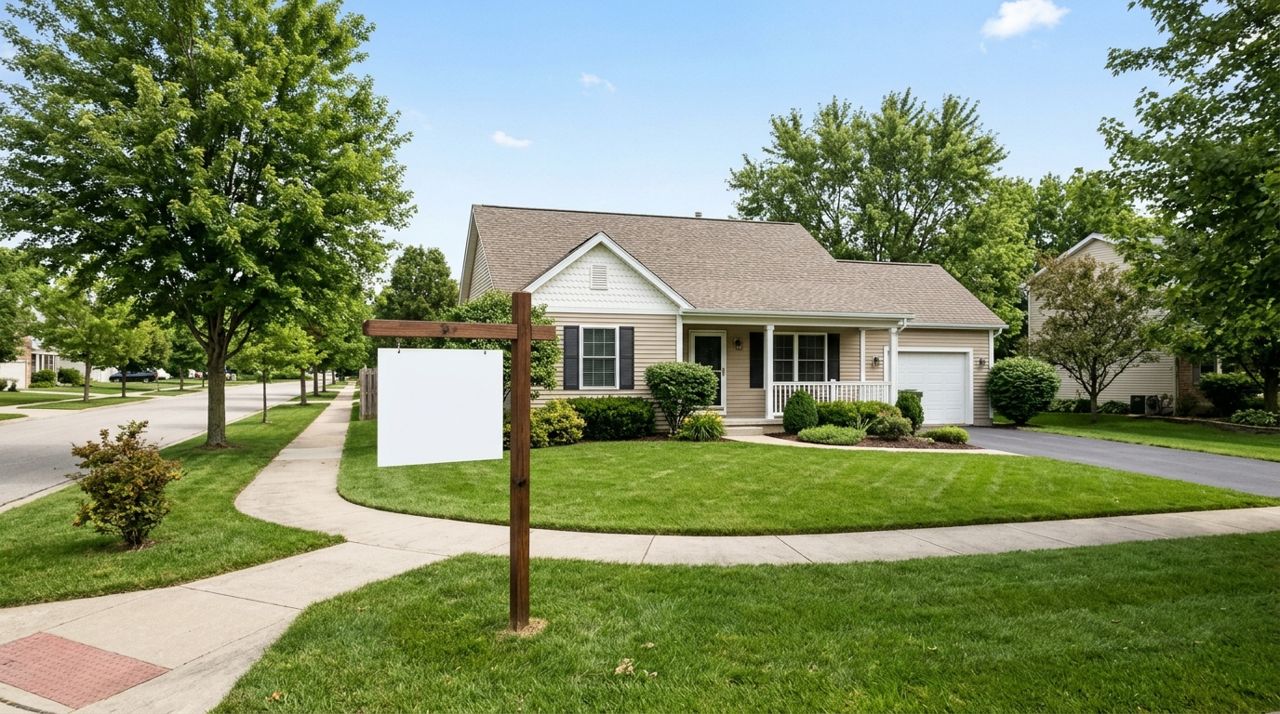
Traditional real estate listing services often charge fees ranging from $300 to $500 just to post your home online, or they lock you into commission agreements before you've even met a buyer. For sellers who want control over their sale process and aren't ready to commit to those costs, free listing platforms offer a practical alternative.
This guide walks you through listing your home for sale at no upfront cost, from gathering your property details to connecting with interested buyers. You'll learn exactly what information to prepare, how to present your home effectively, and what to expect once your listing goes live.
- 01
Step 1: Gather your property information and photos
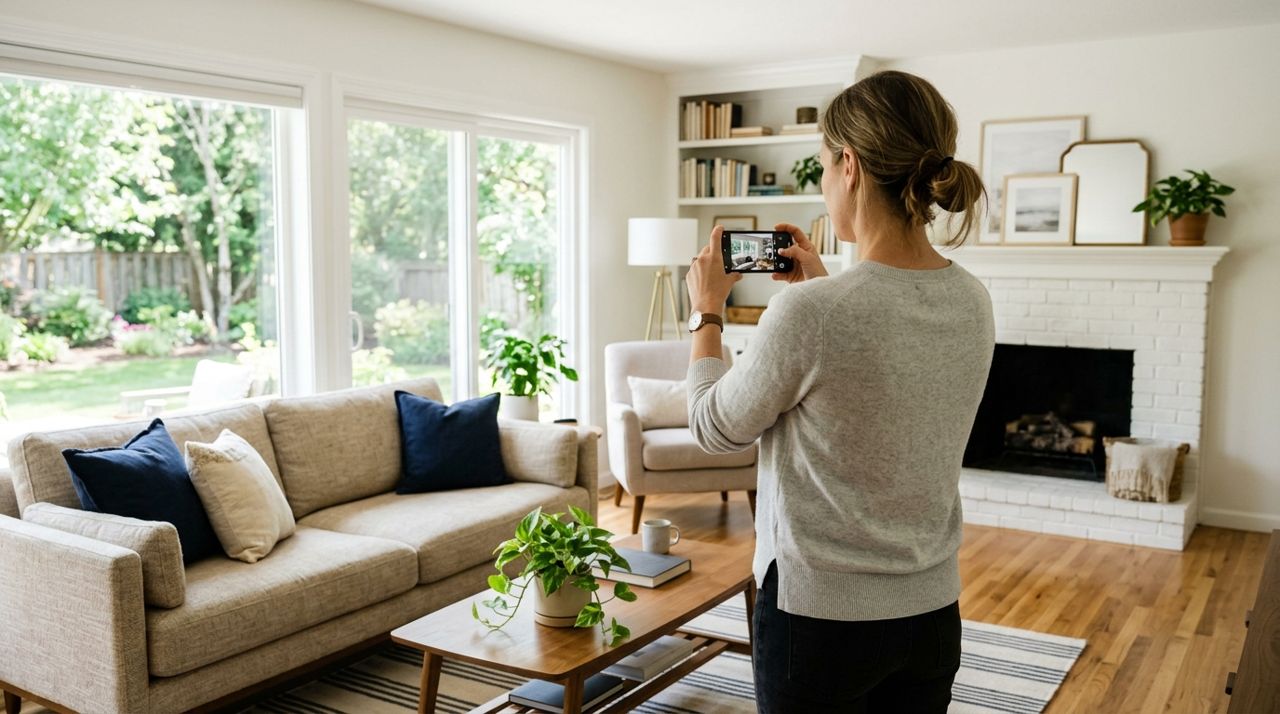
Person taking photos of a bright, clean living room with smartphone Start by collecting the basic facts buyers need: your home's address, square footage, number of bedrooms and bathrooms, lot size, year built, and any recent upgrades (new roof, HVAC, appliances). Pull up your most recent property tax statement for accurate details.
Take 15-20 clear photos in good natural light. Open curtains, turn on all lights, and declutter each room before shooting. Include exterior shots from multiple angles, the front entrance, living areas, all bedrooms, bathrooms, kitchen with appliances visible, and any special features like a deck, finished basement, or updated fixtures. Photos taken on a modern smartphone work fine; you don't need professional equipment.
- 02
Step 2: Determine your asking price
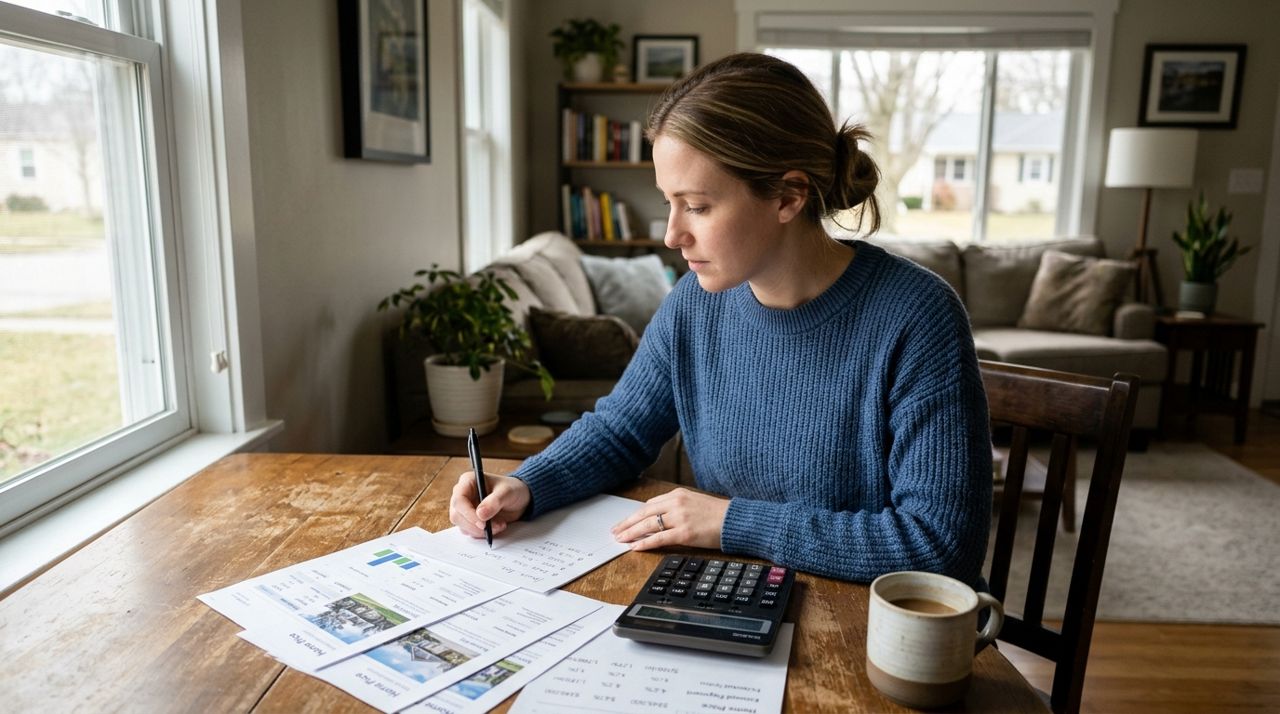
Person reviewing home sale prices and calculations on paper Research comparable homes ('comps') that sold in your neighborhood within the last 90 days. Look for properties with similar square footage, bedrooms, bathrooms, and condition. Online real estate sites show recent sale prices; aim for at least three to five comps.
Consider these adjustments: if your home has updates theirs lacked, you can price slightly higher; if theirs had features you don't (like a garage or finished basement), adjust down. Factor in current market conditions—are homes in your area sitting for weeks or selling in days? Price competitively if inventory is high, or closer to the top of the range if demand is strong. Most sellers price 2-5% above their true bottom line to leave negotiation room.
- 03
Step 3: Create your free listing
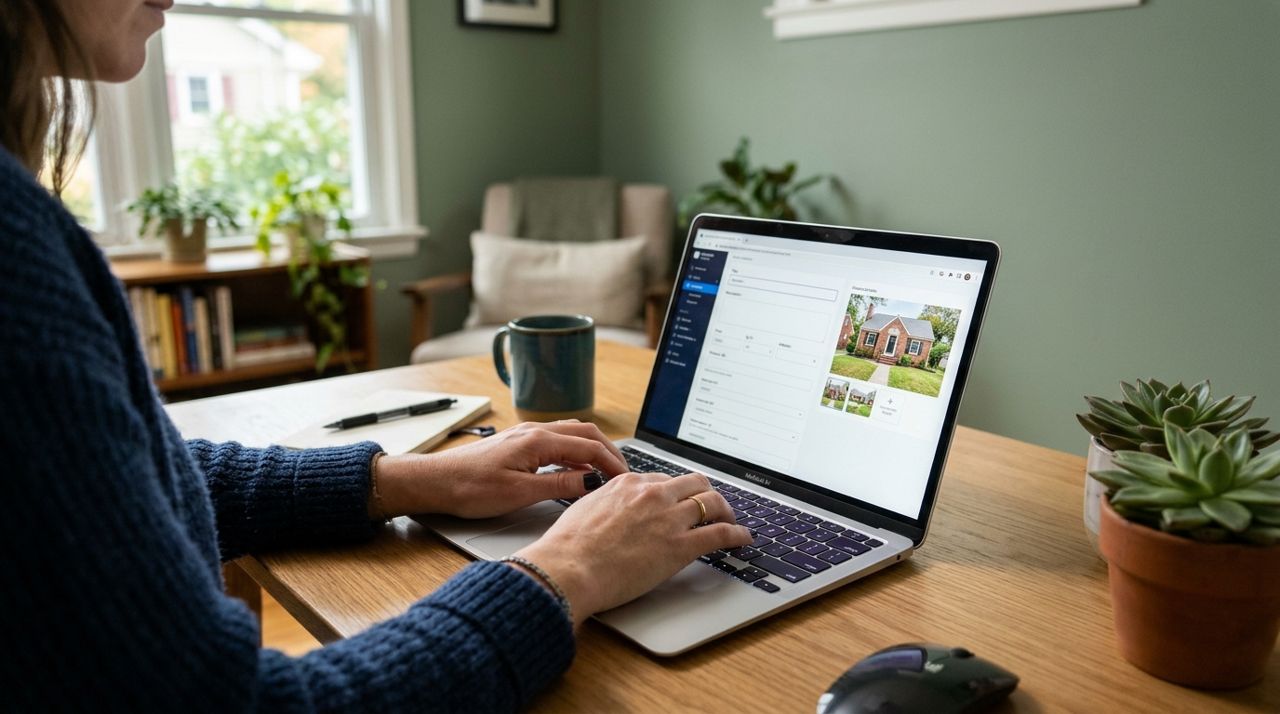
Hands typing property details on laptop screen for home listing On Lumo, open the app or visit golumo.app and select the Real Estate mode from the welcome screen. Navigate to the listing section and choose to list a home for sale—there's no charge to post.
Enter your property details: address, price, bedrooms, bathrooms, square footage, lot size, year built, property type (single-family, condo, townhouse), and a description highlighting key features and recent improvements. Upload your photos in logical order (exterior first, then main living areas, bedrooms, bathrooms, outdoor spaces). Include any special selling points: proximity to schools, recent renovations, energy-efficient features, or neighborhood amenities. Review everything carefully before publishing.
- 04
Step 4: Write a compelling property description
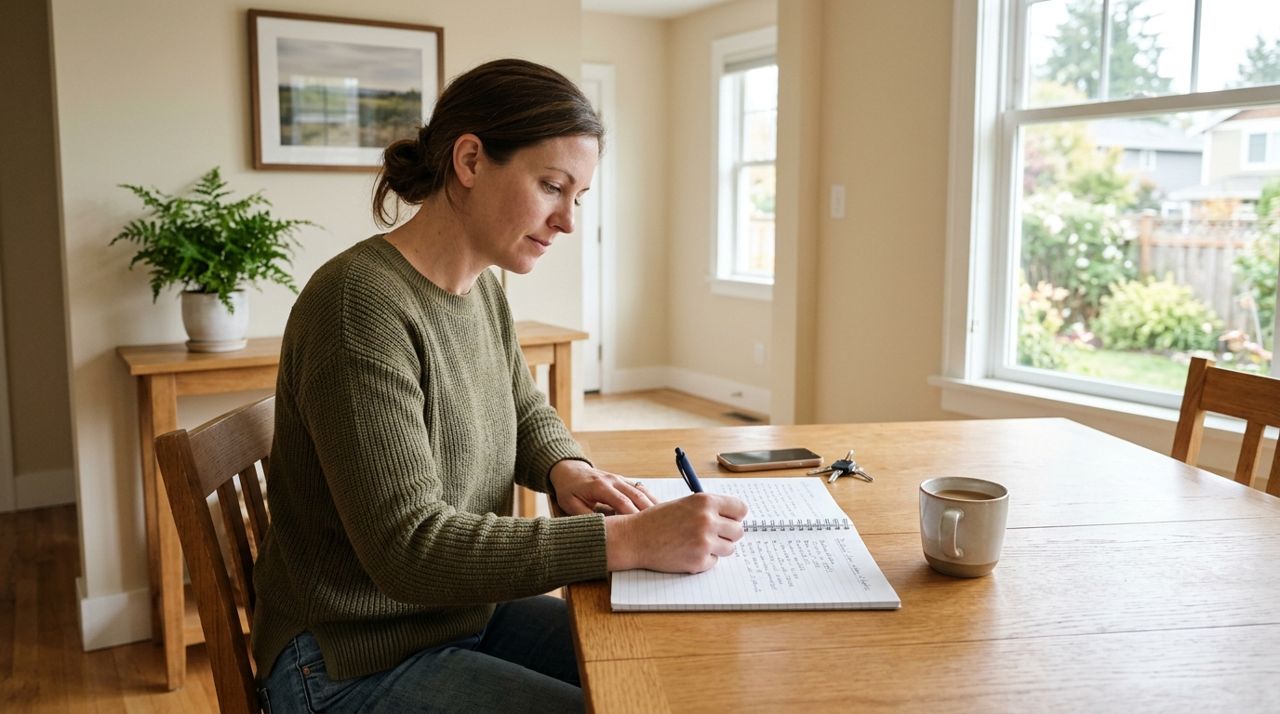
Person writing detailed notes about home features and updates Your description should be 150-250 words and answer the questions serious buyers ask first. Start with an opening line that captures the home's best feature: 'Sunlit 4-bedroom colonial on a quiet cul-de-sac' or 'Move-in ready ranch with oversized garage.'
Describe the layout and flow: how many levels, open-concept or traditional rooms, primary bedroom location. Mention updates with years: 'New furnace (2022), roof (2020), kitchen appliances (2023).' Highlight practical details: storage space, parking, yard size, basement finish. Note what's included: appliances, window treatments, shed. End with location benefits: 'Walk to elementary school, 10 minutes to downtown, easy highway access.' Skip adjectives like 'charming' or 'stunning'—let the facts and photos do the work.
- 05
Step 5: Set your showing availability and contact preferences
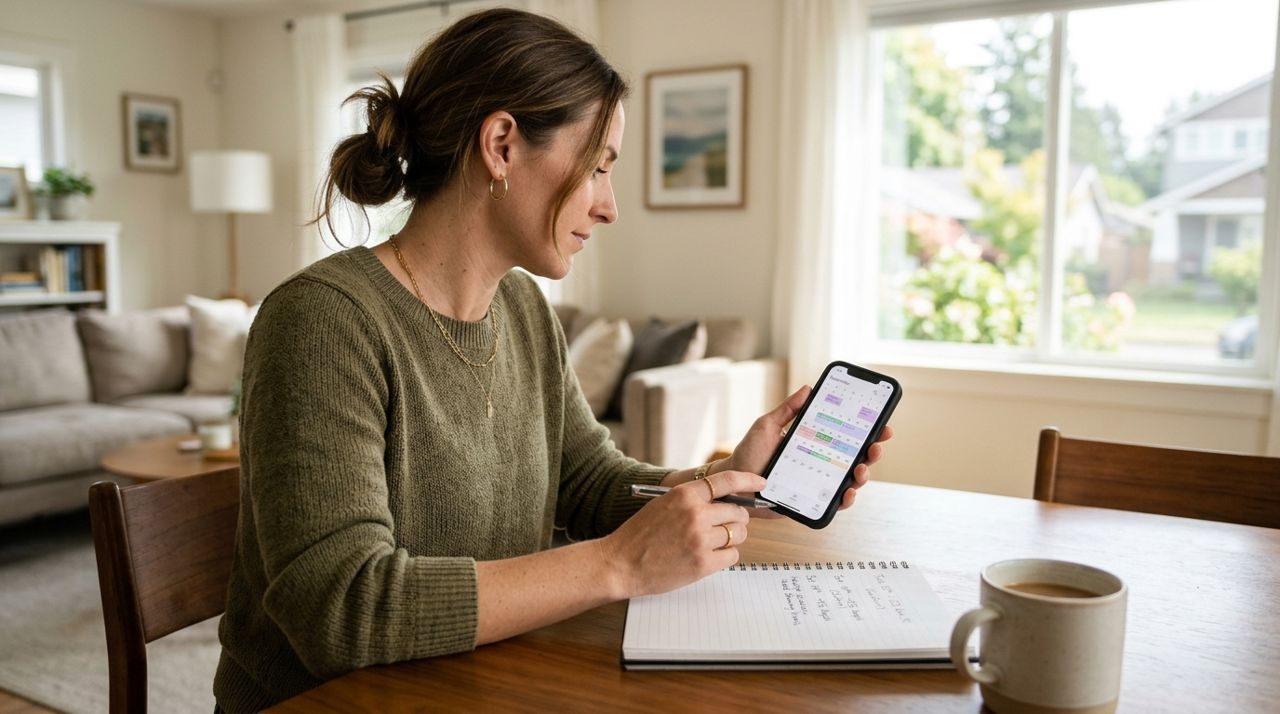
Person checking calendar to schedule home showing appointments Decide how you want buyers to reach you. In-app messaging through Lumo lets you communicate directly without sharing your phone number until you're ready. You can also include a phone number or email if you prefer.
Think through your showing schedule. Are you willing to accommodate evenings and weekends, or only specific time windows? Vacant homes are easier—you can offer more flexibility. If you're living in the home, establish boundaries: 24-hour notice, no drop-ins, certain days off-limits. Some sellers do open houses on weekends; others prefer individual appointments. Be as available as your situation allows—homes that are hard to see take longer to sell—but protect your own schedule and privacy.
- 06
Step 6: Respond promptly to buyer inquiries

Person replying to buyer messages on smartphone about home showing Once your listing is live, you'll start receiving messages from interested buyers. Respond within a few hours during business hours; same-day replies show you're a serious seller. Answer questions directly and honestly—if you don't know something (like the age of the water heater), say you'll find out and follow up.
Qualify buyers politely by asking if they're pre-approved for a mortgage or paying cash, and what their timeline looks like. Schedule showings at times that work for both of you. Keep your home clean and accessible; last-minute cancellations frustrate buyers. If you receive an offer, take time to review it carefully—price is important, but so are contingencies, closing timeline, and earnest money. Consider consulting a real estate attorney for $300-$500 to review contracts before you sign.
- 07
Step 7: Update your listing as needed
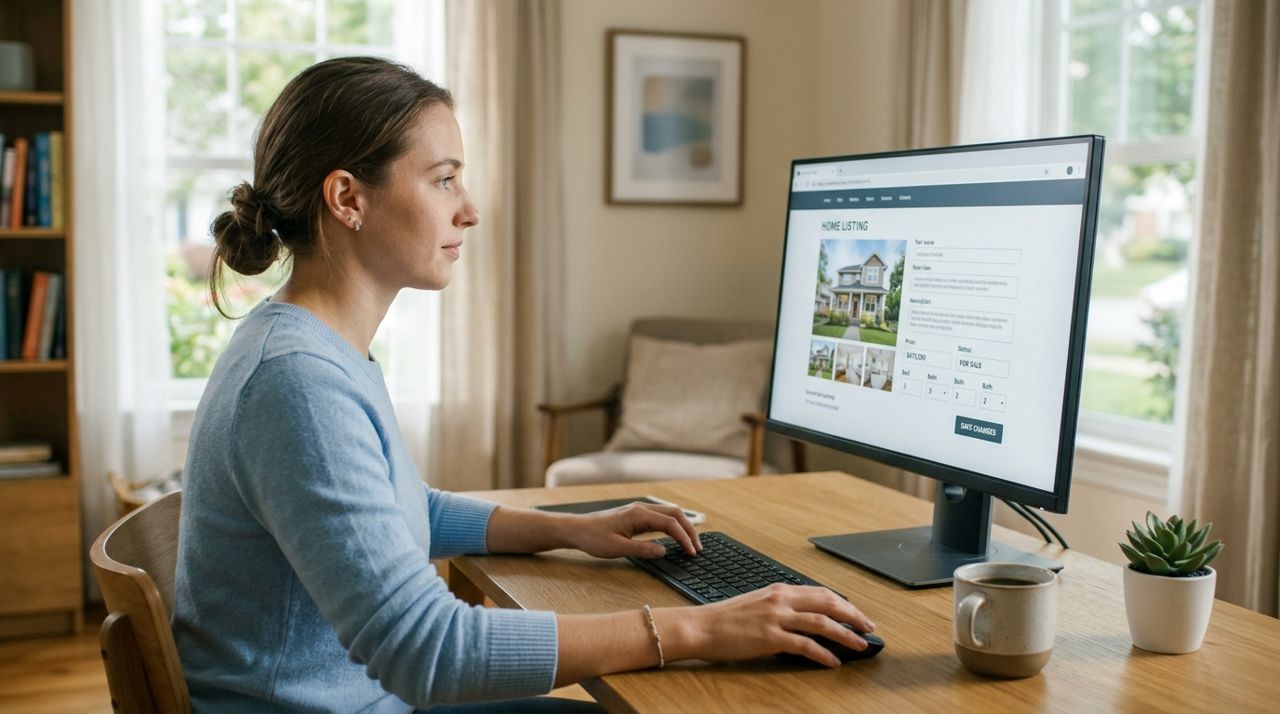
Person editing property listing details on computer screen If your home isn't getting showings after two weeks, revisit your listing. Compare your price to new comps—maybe three similar homes just listed for less. Refresh your photos if the first set was dark or cluttered. Expand your description to address questions you've been asked repeatedly.
If you're getting showings but no offers, the price may be slightly high or buyers are finding issues during walkthroughs. Consider a small price reduction (3-5%) to restart interest; homes that sit too long start to look 'stale' to buyers. You can also add new photos if you've made improvements, or note that you're open to negotiation on closing costs or included appliances. Keep the listing current—mark it 'under contract' once you accept an offer so you stop getting inquiries.
Pro tips
- List on a Thursday or Friday so your home appears fresh when buyers search over the weekend.
- Mention any transferable warranties (roof, appliances, HVAC) in your description—they add value.
- If your home needs repairs, either fix them before listing or price accordingly and disclose issues upfront.
- Keep a showing log with each buyer's name, date, and any feedback they share—it helps you spot patterns.
- Consider offering a buyer-agent commission (typically 2.5-3%) to ensure agents show your home to their clients.
Frequently asked questions
- Do I need a real estate agent if I list for free myself?
- No, you can handle the entire sale yourself, which is called 'for sale by owner' (FSBO). However, many sellers hire a real estate attorney ($300-$800) to review the purchase contract and handle closing paperwork. You'll save on listing-agent commission (typically 2.5-3%) but may still offer to pay a buyer's agent to attract more buyers.
- How long does it take to sell a home listed for free?
- It depends on your local market and pricing. In strong markets, homes priced right can sell in one to three weeks. In slower markets or if priced high, it may take two to three months. Free listings reach buyers just as effectively as paid listings—the key factors are price, condition, photos, and market demand.
- What happens after I accept an offer?
- The buyer typically orders a home inspection and appraisal, and applies for mortgage approval if they're financing. You'll negotiate any repair requests that come from the inspection. Once the buyer's lender clears the loan and the title company completes its work (usually 30-45 days), you'll attend a closing where you sign papers, hand over keys, and receive payment.
Listing your home for sale without upfront fees gives you control over your timeline, pricing, and buyer interactions. By preparing solid photos and details, pricing based on real comps, and responding quickly to serious buyers, you can reach the same pool of purchasers without the initial expense. If you're ready to list, Lumo's Real Estate mode lets you post for free and connect directly with buyers in your area.
Photos are illustrative. Service prices are typical ranges and vary by city. How we write our guides.
More guides like this
How to Find a Long-Term Rental Apartment in a New City: A Step-by-Step Guide
Finding a rental apartment in an unfamiliar city can feel overwhelming, but breaking the process into clear steps makes it manageable. This guide walks you through searching listings, evaluating neighborhoods, and locking down the right place.

How to Book a Short-Term Rental for Your Work Trip in 7 Steps
Booking a short-term rental for a work trip doesn't have to be complicated. Follow these seven practical steps to find the right place, check what you need, and confirm your stay.
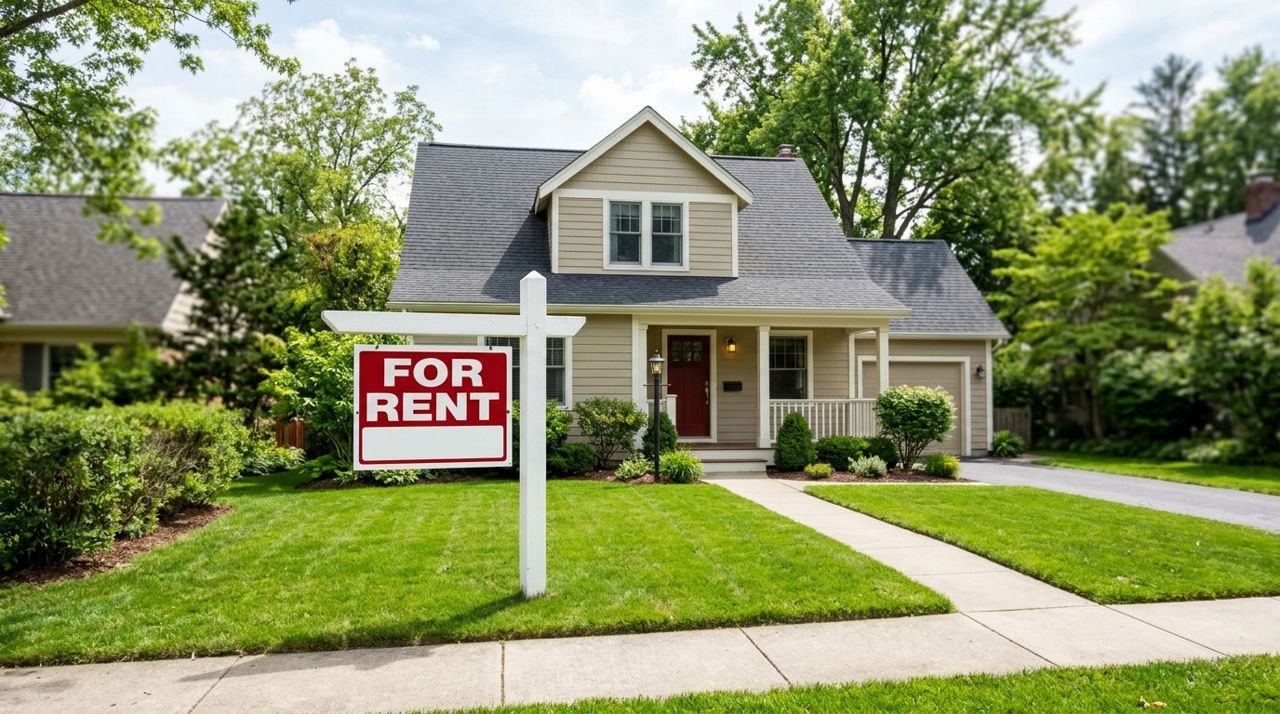
How to List Your Long-Term Rental and Screen Tenants Properly
Listing a rental property and finding reliable tenants takes more than posting an address and waiting. This guide walks you through pricing, photography, listing details, and a tenant screening process that protects your investment.