
How to Get a Mobile Notary to Come to Your Home in 2025

Waiting rooms and banker's hours don't work when you need documents notarized at 7 PM on a Wednesday, or when you're caring for elderly parents who can't travel. Mobile notaries bring their seal and stamp to your kitchen table, your office, even a hospital room.
This guide walks you through finding a qualified notary, what the appointment costs, how to prepare your documents, and what happens during the signing. Whether you're executing a will, refinancing a mortgage, or handling business contracts, you'll know exactly what to expect from start to finish.
- 01
Step 1: Understand what documents you need notarized

Person sitting at table reviewing legal documents and paperwork carefully Before you book, confirm that your documents actually require notarization. Common examples include real estate deeds, powers of attorney, living wills, affidavits, loan documents, business contracts, and vehicle title transfers. Some documents need a simple acknowledgment (you sign in front of the notary), while others require a jurat (you swear or affirm the contents are true).
Check if your document specifies which type of notarization it requires—this is usually printed right above the signature line. If you're working with a lender, attorney, or title company, ask them to clarify. Some states also allow remote online notarization (RON) via video call, but many transactions still require in-person notarization with a physical seal.
- 02
Step 2: Find a mobile notary in your area
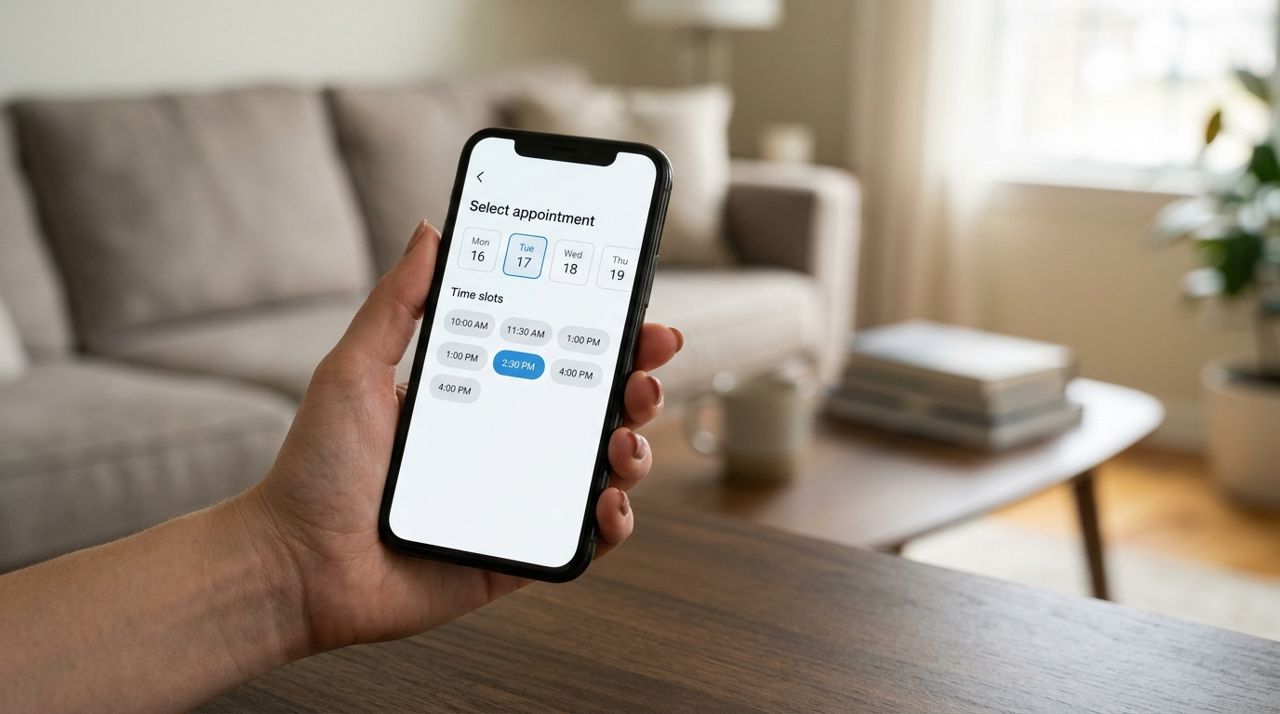
Hand holding smartphone showing service booking screen with appointment times Mobile notaries advertise through local directories, Google searches, and service apps. When searching, look for phrases like 'mobile notary near me' or 'traveling notary service' plus your city name. Prices typically range from $50 to $150 depending on travel distance, time of day, and how many documents need notarizing.
Apps like Lumo let you browse local notaries, see their rates and availability, read reviews from other customers, and book the appointment directly in the app. You can message the notary to confirm what documents you have and any special circumstances (like multiple signers or after-hours service). Most notaries respond within an hour and can often schedule same-day or next-day appointments.
- 03
Step 3: Confirm the appointment details

Person marking appointment time on calendar with pen and smartphone nearby Once you've chosen a notary, confirm the date, time, and exact address. Be specific: 'Front door of the blue house' or 'Apartment 3B, use the call box.' If you need the notary to arrive during a specific window (before a FedEx pickup, for example), mention it upfront.
Discuss the fee structure clearly. Most notaries charge a base travel fee ($25–$75) plus a per-signature or per-document fee set by your state (often $5–$15 per notarization). If you have ten documents to sign, clarify whether you're paying ten times the per-signature fee. Ask about payment methods—many accept cash, Venmo, or card payment through an app.
- 04
Step 4: Prepare your documents and ID
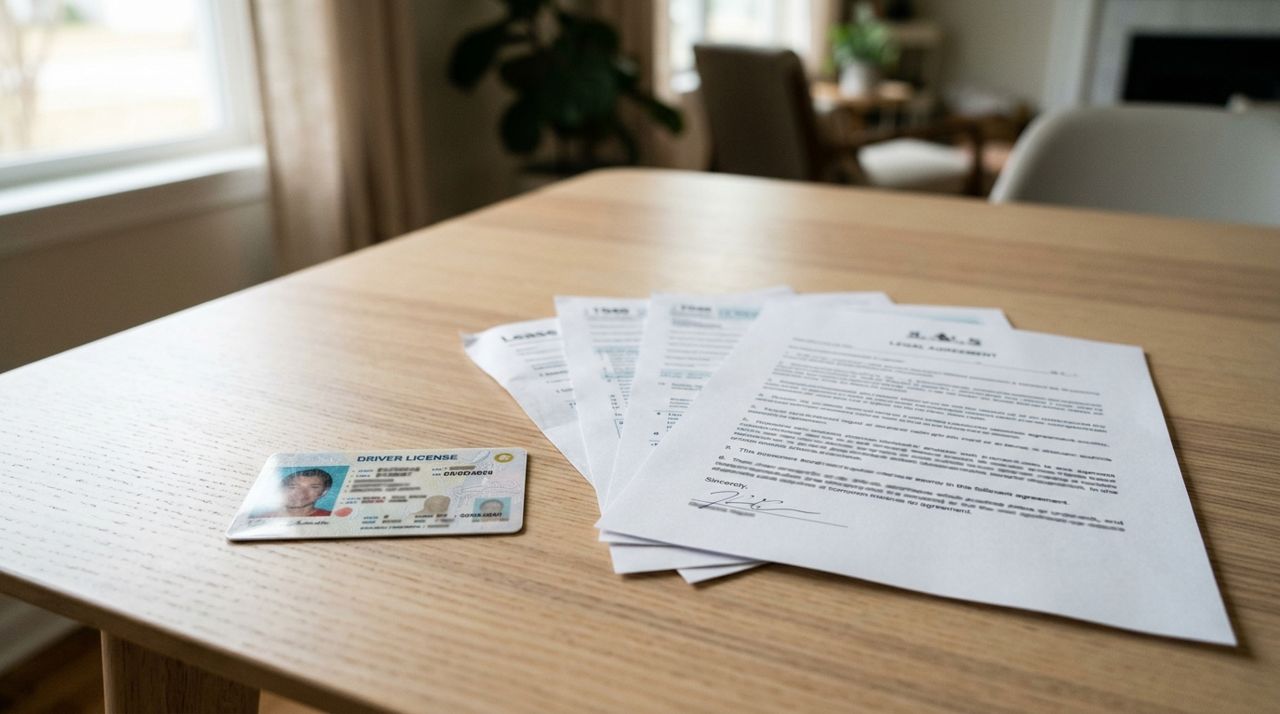
Government-issued photo ID and legal documents laid out on table Have all documents printed, filled out, and ready to sign—but don't sign them yet. The notary must watch you sign. If a document has multiple signature lines for you, leave them all blank. If other people need to sign (a spouse, business partner, or witness), make sure they'll be present with their own government-issued photo ID.
Acceptable IDs include a driver's license, passport, state ID card, or military ID. Expired IDs are not acceptable in most states. If you've recently moved and your ID shows an old address, that's usually fine as long as the ID itself is current. Gather any additional documents the notary requested, like a copy of the unsigned contract or a letter from your lender.
- 05
Step 5: Meet the notary and verify identities

Professional notary in business attire examining identification documents at table When the notary arrives, they'll check everyone's ID and ask a few questions to confirm you understand what you're signing and that you're doing so willingly, without pressure. This is a legal requirement. The notary is not allowed to provide legal advice or tell you whether you should sign—they simply verify your identity and witness your signature.
If anything feels unclear about the document itself, pause and contact the attorney, lender, or agency that prepared it. The notary can wait while you make a call or send an email. Never sign something you don't understand just because the notary is standing there. Once everyone's identity is confirmed and you're ready, the notary will instruct you where and how to sign.
- 06
Step 6: Sign, seal, and receive your notarized documents

Notary public pressing official seal stamp onto signed legal document You'll sign each document in the notary's presence. The notary then completes a certificate (often already attached to your document), adds their signature, commission number, expiration date, and official seal or stamp. In some states they'll also record the transaction in a logbook.
The notary will give you the original notarized documents (or copies, depending on what you arranged). If you need the documents mailed immediately, some notaries carry pre-addressed envelopes and will drop them at the post office for you—confirm this ahead of time and bring the envelope and postage.
Pay the agreed fee and, if the service was excellent, consider tipping $10–$20 or leaving a review to help other people find reliable notaries. Apps like Lumo make it easy to rate and tip right after the appointment.
- 07
Step 7: Deliver the notarized documents to the right party

Person placing legal documents into large envelope for mailing Your notarized documents are now legally valid, but they're not useful sitting on your counter. If you're refinancing, send them to your lender by the deadline. If you're recording a deed, take it to the county recorder's office or mail it certified. If it's a power of attorney, give copies to the banks, doctors, or agents who need them.
Make copies for your own records before you send the originals anywhere. Store the copies in a fireproof safe or with your other important papers. Some people scan notarized documents and save them in a password-protected cloud folder. If the notarized document has an expiration date (like a temporary power of attorney), set a calendar reminder a month before it expires so you can renew it if necessary.
Pro tips
- Book morning or early afternoon appointments when possible—notaries are less rushed and you have time to fix problems before business hours end.
- If you're notarizing loan documents for a refinance, ask the lender to email the full packet a day early so you can review it and spot errors.
- Keep a spare photo ID in your glove box or desk drawer; expired IDs don't work, and a missing ID means rescheduling and paying the travel fee again.
- Some notaries offer package rates for multiple signers or large document sets—ask when you book if you have more than five signatures.
- After-hours and weekend appointments often cost 25–50% more, so plan ahead when you can to save money.
Frequently asked questions
- How much does a mobile notary cost?
- Expect to pay $50 to $150 for a typical home visit. This includes a travel fee ($25–$75) and per-signature fees set by your state (often $5–$15 each). After-hours, weekends, and long-distance travel increase the cost. Always confirm the total price before booking.
- Can a mobile notary notarize documents for family members?
- In most states, a notary cannot notarize documents for a spouse, child, parent, or sibling because of the conflict of interest. Check your state's rules or ask the notary directly when you book. If you're disqualified, the notary can often refer you to a colleague.
- What happens if I don't have a valid photo ID?
- The notary cannot proceed without a current, government-issued photo ID. If your ID is expired or lost, visit your DMV for a replacement before booking the appointment. Some states allow credible witnesses to vouch for your identity, but this is rare and requires advance planning.
Getting a mobile notary to your home is straightforward once you know the steps: gather your documents, confirm what type of notarization you need, book a qualified notary, have valid ID ready, and plan where the signed documents need to go next. Apps like Lumo make it easy to compare local notaries, see transparent pricing, and book same-day appointments without phone tag, so you can get documents notarized on your schedule and move on with your day.
Photos are illustrative. Service prices are typical ranges and vary by city. How we write our guides.
More guides like this

How Food Delivery Works: From Browsing Menus to Getting Dinner
Ordering dinner for delivery is simple once you know the process. This guide walks through every step from browsing restaurants to getting your meal at the door.

How to Order Lunch for Your Office Team Without the Chaos
Ordering lunch for eight coworkers shouldn't feel like herding cats. Here's how to coordinate a group order, keep everyone happy, and get food delivered on time without juggling twenty phone calls.

How to Find and Order from a Food Truck Near You
Food trucks bring restaurant-quality meals to neighborhoods, parks, and events—but finding them and placing orders can be tricky. Here's a step-by-step guide to ordering from food trucks near you.