
How to List Your Long-Term Rental and Screen Tenants Properly
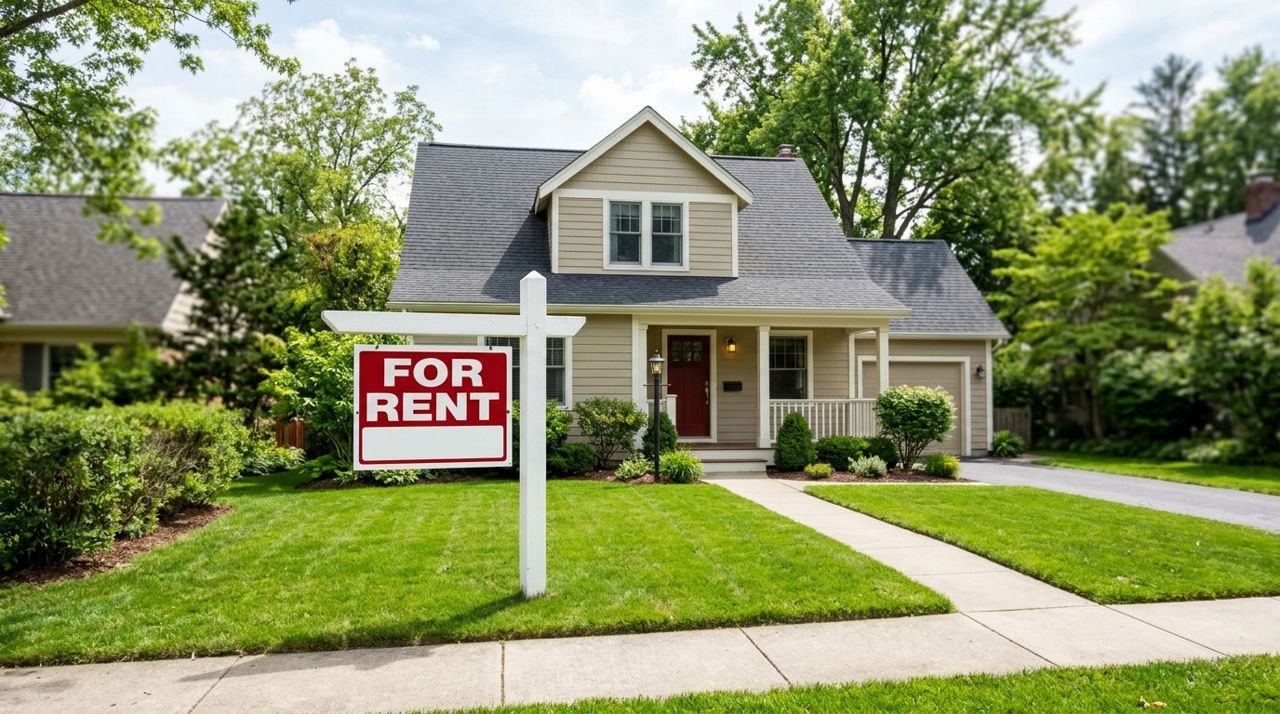
Every landlord knows the wrong tenant can cost thousands in lost rent, property damage, and legal fees. The right tenant, on the other hand, pays on time, takes care of your property, and stays for years. The difference comes down to how you list your rental and how carefully you screen applicants.
This guide shows you exactly how to create a rental listing that attracts quality tenants and how to screen applicants systematically. You'll learn what to photograph, how to price competitively, which questions to ask, and what background checks actually matter. Whether you're renting out a single-family home, a condo, or a multi-unit building, these steps apply.
- 01
Step 1: Research market rent and set your price

Person using calculator and laptop to research rental market prices Look at comparable rentals in your neighborhood on rental sites, local classifieds, and platforms like Zillow. Filter by bedrooms, bathrooms, and square footage similar to yours. Note asking prices and days on market. In most mid-sized cities, a three-bedroom house rents for $1,400 to $2,200 monthly; adjust for your local market. Price $50 to $100 below market if you want fast applications, at market for steady interest, or slightly above if your place has standout features like new appliances or a yard. Remember that overpricing leaves your property vacant longer, costing more than a slightly lower rent.
- 02
Step 2: Take high-quality photos of every room
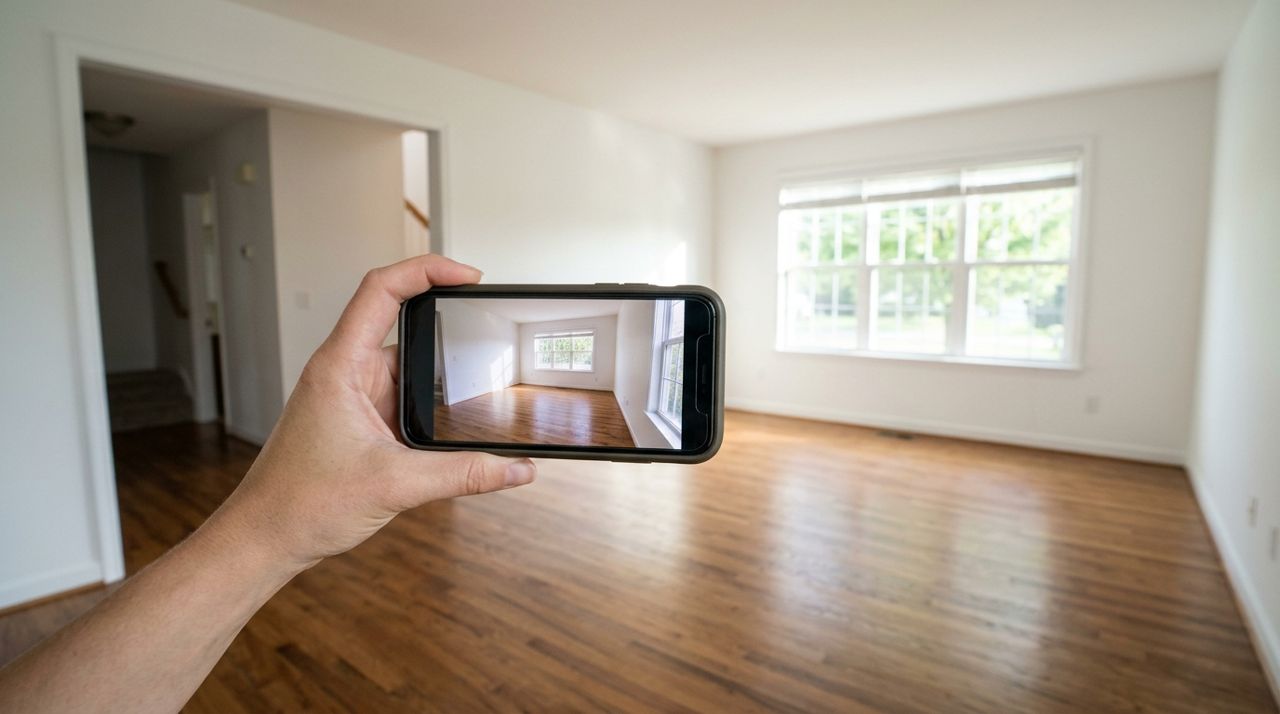
Hand holding smartphone taking photo of bright, empty living room interior Use a smartphone camera in landscape orientation during daylight hours. Open curtains, turn on all lights, and remove clutter. Shoot every room from the doorway at waist height to show layout clearly. Capture the kitchen with counters clear, bathrooms cleaned and staged with fresh towels, bedrooms with beds made, and living areas arranged neatly. Take exterior shots of the front, backyard, parking area, and any amenities like a deck or garage. You need 15 to 25 sharp, well-lit photos. Listings with ten or more photos get 40% more inquiries than those with fewer. Bad lighting or messy rooms tell applicants you don't maintain the property.
- 03
Step 3: Write a detailed, honest listing description

Hands typing detailed rental property listing on laptop keyboard Start with key facts: number of bedrooms and bathrooms, square footage, parking spaces, lease length, available date, rent amount, and deposit. List appliances included (washer, dryer, refrigerator, dishwasher), heating and cooling type, and utilities the tenant pays versus what you cover. Mention nearby schools, public transit, grocery stores, and highways. Describe flooring, storage, yard size, and pet policy clearly. State application requirements upfront: credit score minimum, income requirement (typically three times monthly rent), and background check. Honest descriptions filter out mismatches early and build trust with serious applicants. Use Lumo's real estate mode to create your listing for free; it reaches local renters actively searching for long-term housing.
- 04
Step 4: Post your listing and respond to inquiries quickly

Woman reading and responding to rental inquiry messages on smartphone List your rental on multiple platforms: Lumo (free for long-term rentals), Zillow, Craigslist, Facebook Marketplace, and local rental sites. Include all your photos and the complete description. Respond to messages within two hours during business hours; fast replies increase your chances of landing quality tenants before competitors do. Answer questions directly and offer showings within 24 to 48 hours. Screen obvious red flags in initial messages—anyone asking to pay months in advance via wire transfer or unable to tour in person is usually a scammer. Legitimate renters ask specific questions about lease terms, move-in costs, and neighborhood details.
- 05
Step 5: Conduct showings and collect applications
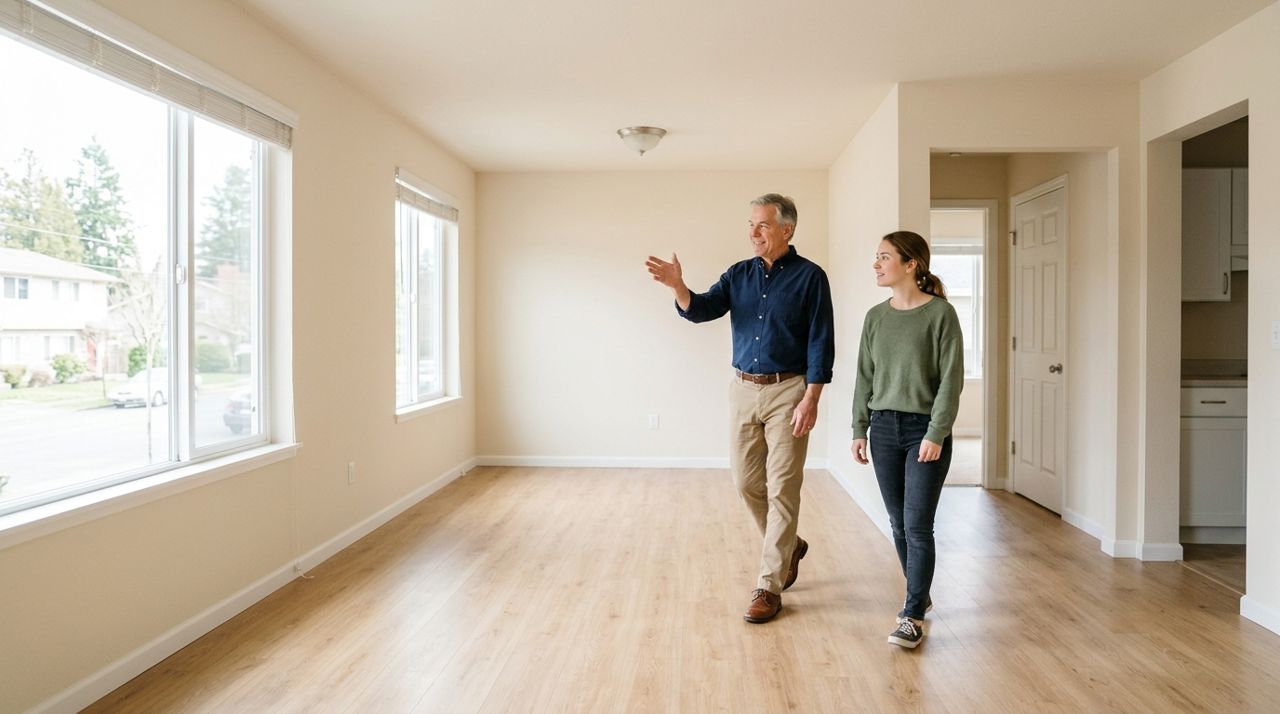
Landlord walking prospective tenant through empty apartment during property showing Schedule showings during daylight when the property looks best. Arrive early to check everything is clean and working. Bring printed applications or direct applicants to an online form. A standard rental application asks for full legal name, current address, employment history with employer contact info, monthly income, previous landlord references, and permission to run a credit and background check. Charge an application fee ($30 to $50) only if your state allows it and only to cover actual screening costs. Let applicants walk through at their own pace, answer questions honestly, and avoid any statements about race, religion, family status, or disability—fair housing laws prohibit discrimination based on protected classes.
- 06
Step 6: Screen tenants with income, credit, and background checks

Hands reviewing tenant application documents with checklist and credit report on desk Review each complete application systematically. Verify income first: request recent pay stubs or tax returns showing monthly gross income at least three times the rent. If rent is $1,500, require proof of $4,500 monthly income. Check credit reports for score (most landlords want 600 or higher) and look for evictions, unpaid rent, or large debts. Run a criminal background check focused on violent crimes or property crimes; some landlords accept applicants with older or minor offenses. Call previous landlords—not just the current one, who might give a good reference to get rid of a problem tenant—and ask if rent was paid on time, if there were noise complaints, and if they'd rent to this person again. Use a consistent scoring system for all applicants to stay fair and legal.
- 07
Step 7: Approve your tenant and sign the lease
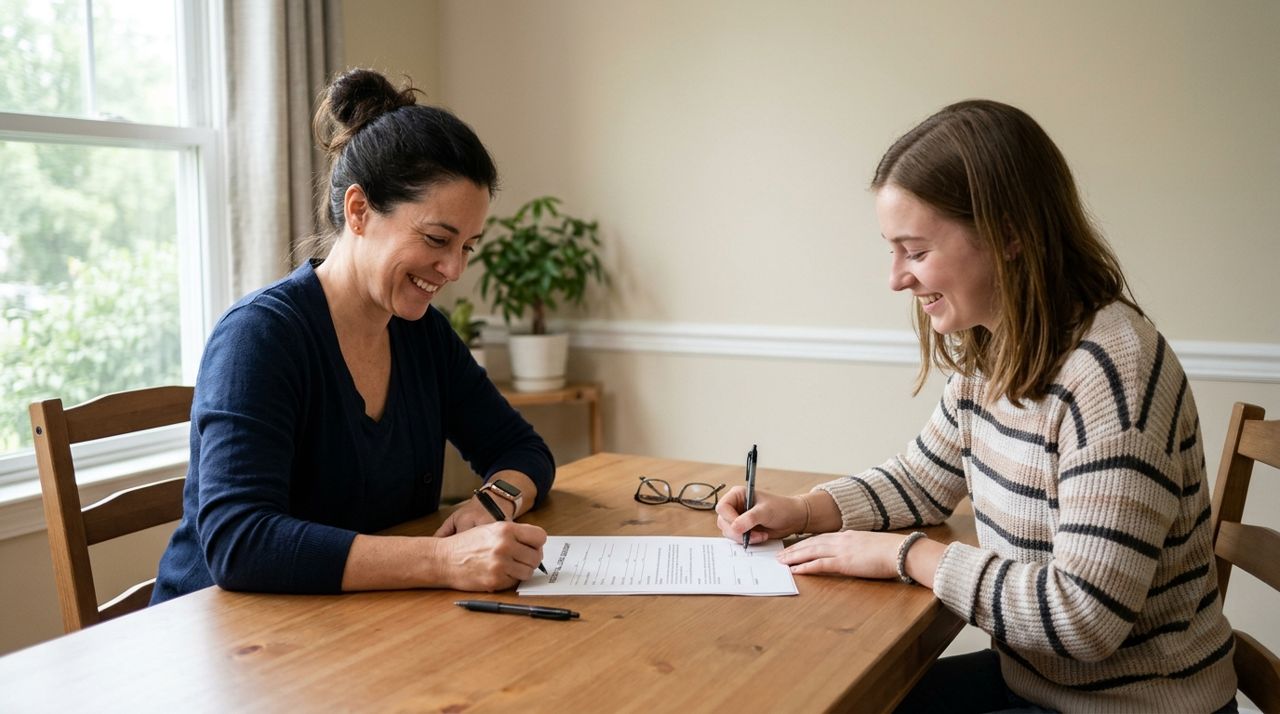
Landlord and tenant sitting at table signing rental lease agreement together Choose the applicant who meets all your criteria and applied first if multiple qualify; first-come, first-served protects you legally. Send a written approval with move-in instructions: lease signing date, deposit and first month's rent amounts (due before keys are handed over), and move-in date. Use a state-specific lease template from a legal site or attorney; generic leases miss local laws. The lease should specify rent amount and due date, late fees, deposit amount and return conditions, maintenance responsibilities, pet rules, subletting policy, and lease term. Both you and the tenant sign and date it. Collect certified funds for deposit and first month's rent, provide receipts, and conduct a move-in walkthrough with photos. Give the tenant copies of everything and keys only after funds clear.
Pro tips
- Run the same screening process for every applicant to avoid fair housing violations; inconsistent standards can be viewed as discrimination.
- Never accept a tenant without checking references—one quick call to a previous landlord can save you months of problems.
- If an applicant offers to pay six months upfront in cash or wants to skip the application, walk away; it's usually a scam or someone hiding red flags.
- Keep all applications, screening notes, and communication records for at least two years in case of disputes or discrimination claims.
Frequently asked questions
- Can I reject an applicant with bad credit?
- Yes, as long as you apply the same credit standards to every applicant. Document your criteria (e.g., 'minimum credit score of 600') and follow it consistently. Send a formal adverse action notice if you reject someone based on their credit report; federal law requires it.
- How much should I charge for a security deposit?
- Most states allow one to two months' rent as a deposit. Check your state's landlord-tenant laws for caps and rules on holding and returning deposits. A standard deposit is one month's rent, held in a separate account and returned within 14 to 30 days after move-out, minus documented damages.
- Should I allow pets?
- Allowing pets opens your pool to about 70% of renters who own them, but require a pet deposit ($200 to $500) and possibly higher monthly rent. Specify breed and size restrictions in your lease, and ask for vet records proving vaccinations. Service and emotional support animals must be allowed under fair housing rules without extra fees.
Listing and screening done right means fewer vacancies, better tenants, and less stress over the life of your lease. Take time with photos and descriptions, respond fast, and never skip background checks. Lumo's real estate mode gives you a free way to list long-term rentals and connect with local renters searching for exactly what you offer—no fees unless you're renting short-term.
Photos are illustrative. Service prices are typical ranges and vary by city. How we write our guides.
More guides like this
How to Find a Long-Term Rental Apartment in a New City: A Step-by-Step Guide
Finding a rental apartment in an unfamiliar city can feel overwhelming, but breaking the process into clear steps makes it manageable. This guide walks you through searching listings, evaluating neighborhoods, and locking down the right place.

How to Book a Short-Term Rental for Your Work Trip in 7 Steps
Booking a short-term rental for a work trip doesn't have to be complicated. Follow these seven practical steps to find the right place, check what you need, and confirm your stay.
How to List Your Home for Sale Without Paying Listing Fees
Listing your home for sale doesn't have to cost you hundreds or thousands in upfront fees. Here's how to create a free listing that reaches serious buyers.