
How to Plan Delivery Shifts Around School Drop-Off & Pick-Up

School runs carve fixed blocks out of your day, but they don't have to kill your earning potential. Unlike a traditional job with rigid hours, delivery work lets you turn on and off between drop-off and pick-up, during lunch rushes, or after bedtime. The challenge is maximizing your earnings in those windows without scrambling or missing school duties.
This guide walks through how to design delivery shifts that fit your family schedule. You'll learn when demand peaks, how to position yourself for better orders, and which time blocks actually pay. Whether you're juggling one kid or three, these strategies help you earn consistently without the daycare bill.
- 01
Step 1: Map your fixed time blocks first
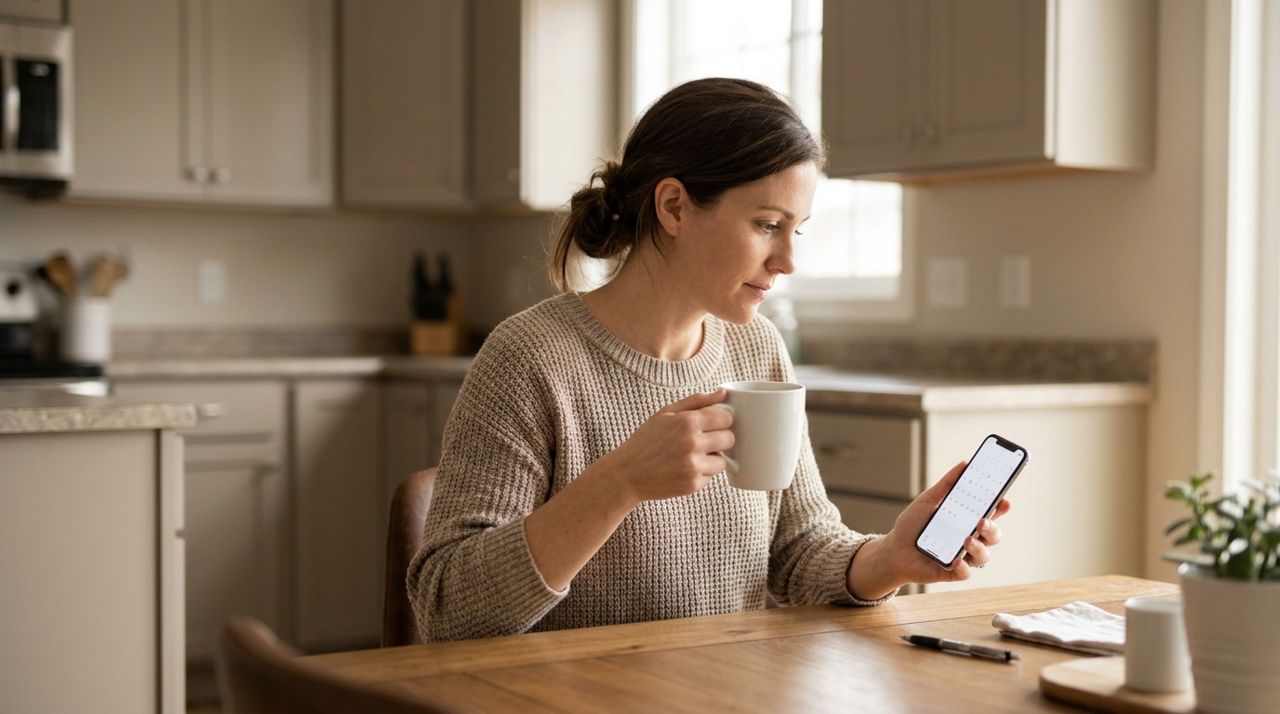
Parent reviewing schedule on smartphone while holding coffee mug at kitchen table Write down every non-negotiable commitment: drop-off time, pick-up time, after-school activities, homework help, dinner prep. Be realistic about travel time to and from school. If drop-off is 8:15 and it takes 20 minutes round-trip, you're free from 8:35. If pick-up is 3:00, you need to stop accepting orders by 2:30 to avoid being caught mid-delivery.
Most parents find three usable windows: post-drop-off to lunch (roughly 9:00 to 12:30), lunch rush (11:30 to 1:30), and evening (after 5:30 once kids are settled). Evening shifts often pay best because dinner demand is high, but they require someone else to handle bedtime routines. Pick the windows that actually work for your household, not the ones that theoretically pay most.
- 02
Step 2: Set a job-alert radius that matches your window
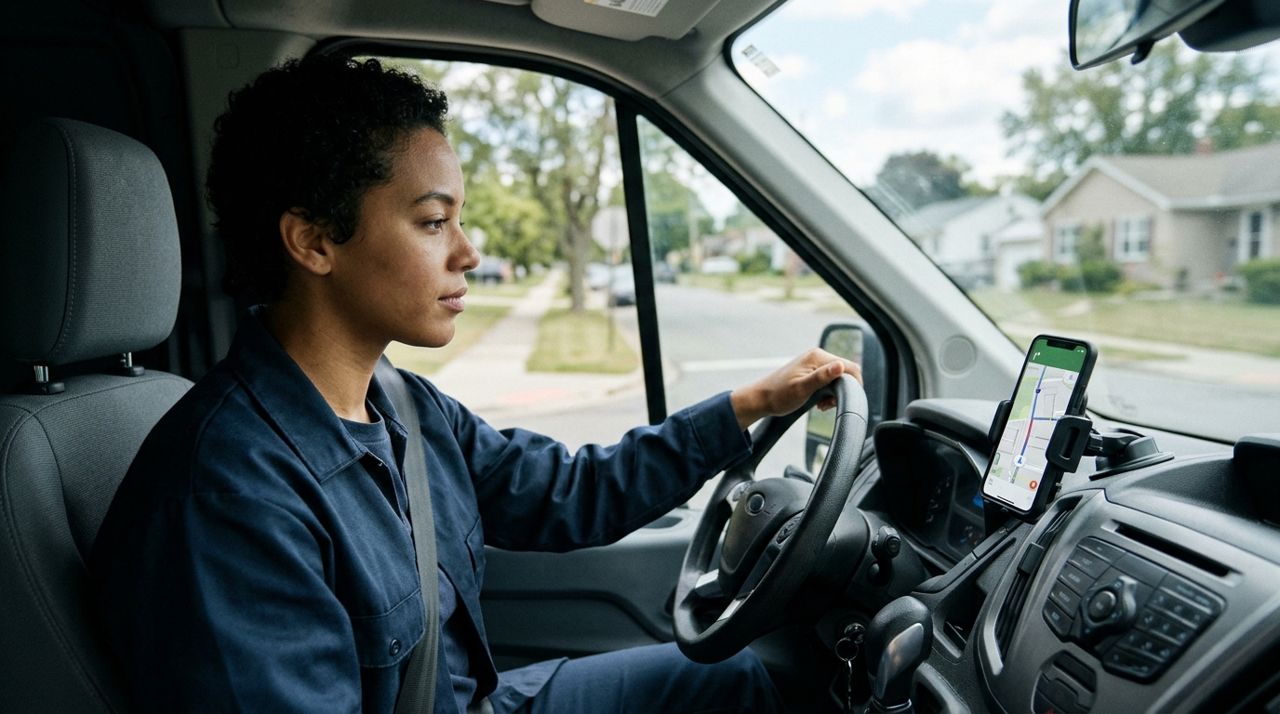
Delivery driver in car viewing navigation map on smartphone mounted on dashboard If you only have 90 minutes between drop-off and an appointment, set a tight radius so you're not driving 15 minutes to a pickup spot. Apps like Lumo let you set a job-alert radius and working hours, so you only get pinged for nearby orders during your available blocks. A 3-mile radius works well for short windows; 5 to 7 miles if you have three or four hours.
Test your radius for a few days and adjust. If you're getting orders too far out, tighten it. If orders are sparse, widen slightly or reposition yourself. The goal is enough volume to stay busy without spending half your shift driving empty to the first pickup.
- 03
Step 3: Learn the demand peaks in your area
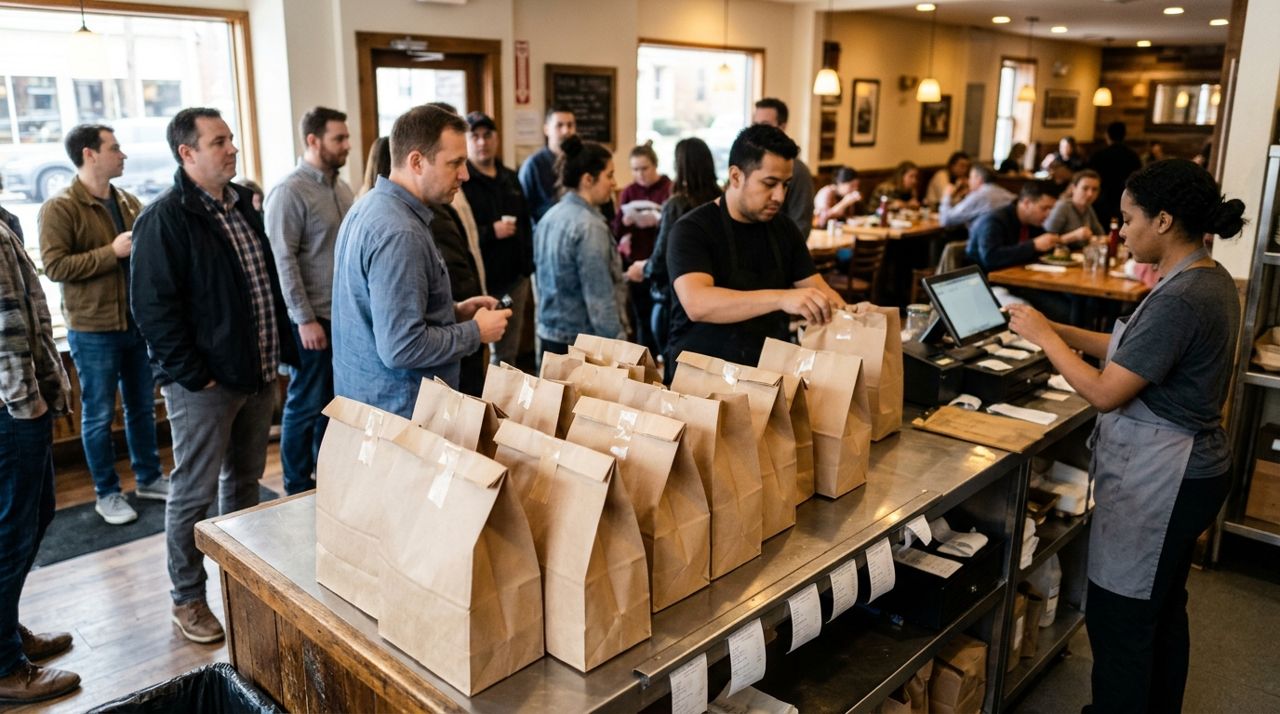
Crowded restaurant counter with takeout bags lined up during lunch rush hour Lunch (11:30 to 1:00) and dinner (5:30 to 7:30) are universal peaks, but mid-morning coffee runs, weekend brunch, and late-night orders vary by neighborhood. Spend a week logging when you get the most pings and which pay best. Some areas have strong breakfast delivery; others go quiet until 11:00.
Lumo's 'busy map' shows where orders are coming in, so you can position yourself in hot zones during your available windows. If mornings are slow near your house but busy downtown, drive there after drop-off. Knowing your local rhythm lets you work smarter, not longer.
- 04
Step 4: Go on-duty only when you're truly available
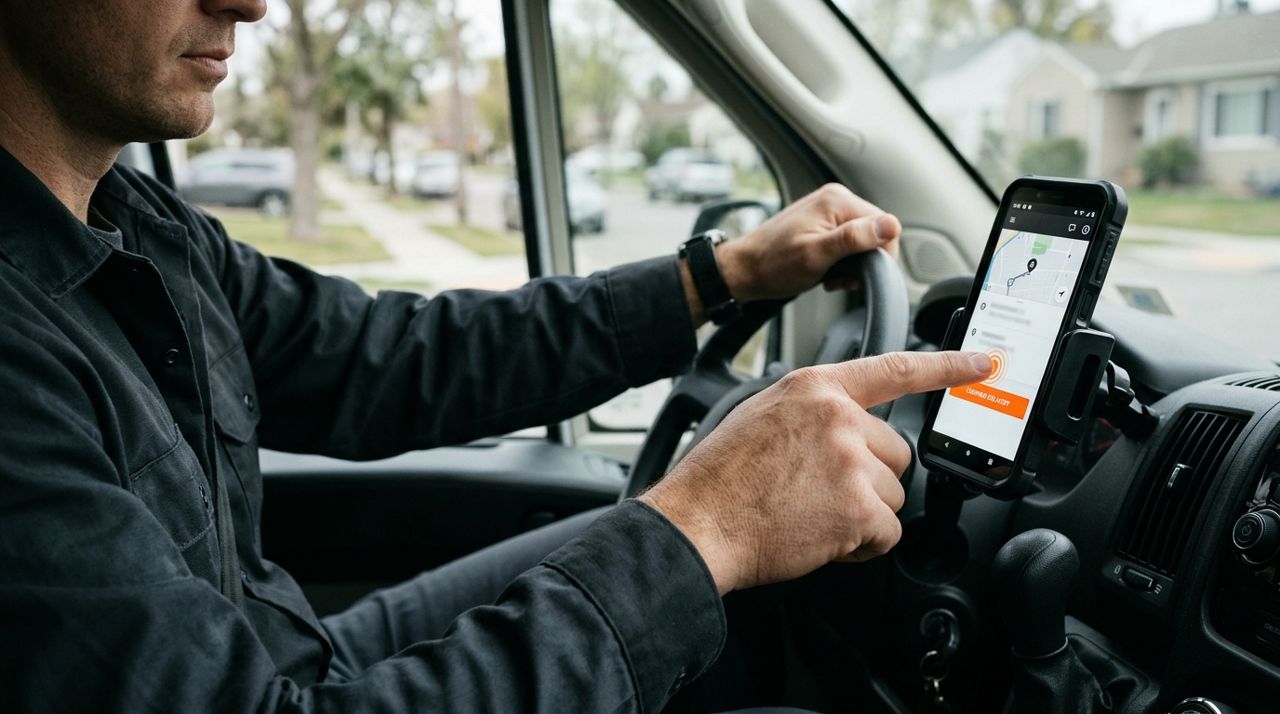
Close-up of delivery driver's hand tapping status button on delivery app screen Toggle your status off when you're within 20 minutes of needing to leave for pick-up. Nothing tanks your ratings like accepting an order and then canceling because you misjudged timing. Most platforms show estimated delivery time before you accept; if it pushes past your hard stop, decline it.
Pause alerts if you're stuck in the school parking lot waiting or if you need a bathroom break. It's better to lose ten minutes of availability than to miss an order notification and get dinged for non-response. Reliability matters more than raw hours online when you're building a reputation for future orders.
- 05
Step 5: Use short windows for stacked or nearby orders
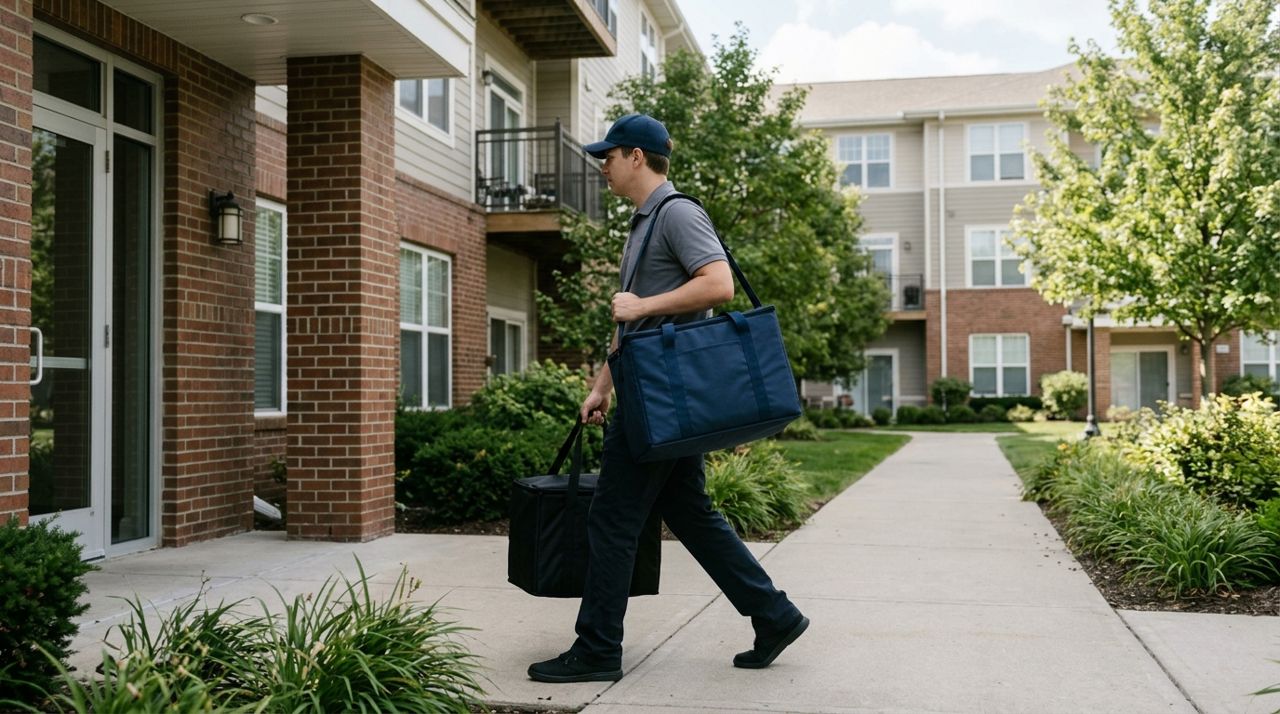
Delivery courier carrying two insulated food bags walking toward apartment building entrance When you only have an hour, prioritize orders from restaurants or shops you know are fast and close together. Stacked orders (two deliveries from the same pickup or along the same route) maximize earnings in limited time. Over a few weeks you'll learn which merchants are always ready and which make you wait 15 minutes.
Avoid orders from slow kitchens or merchants across town unless the payout justifies it. A $12 order that takes 45 minutes nets you $16 an hour; a $7 order done in 20 minutes is $21 an hour. Do the math on every ping before accepting, especially when your window is tight.
- 06
Step 6: Track your real earnings per window
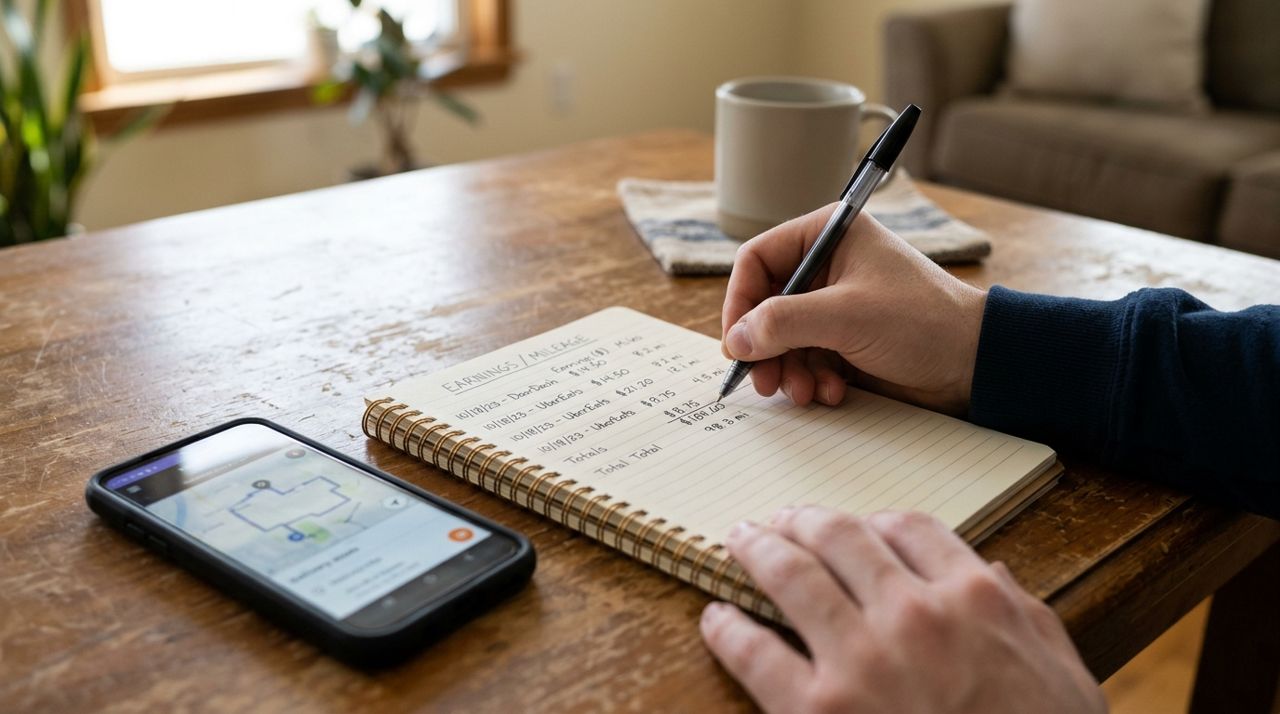
Hand writing delivery earnings and mileage numbers in notebook next to smartphone Write down what you earned and how long you actually worked (ignoring dead time at home). Include gas and wear. If you made $35 in a two-hour post-drop-off shift but spent $6 in gas and drove 40 miles, your real take is $14.50 an hour. Compare that to afternoon or evening windows to see which are worth your time.
Most delivery workers find that short, focused shifts during peak demand (lunch and dinner) beat long shifts with downtime. If mornings are slow in your area, skip them and bank those hours for a weekend morning when brunch orders surge. Data beats guessing every time.
- 07
Step 7: Communicate your schedule with customers when needed
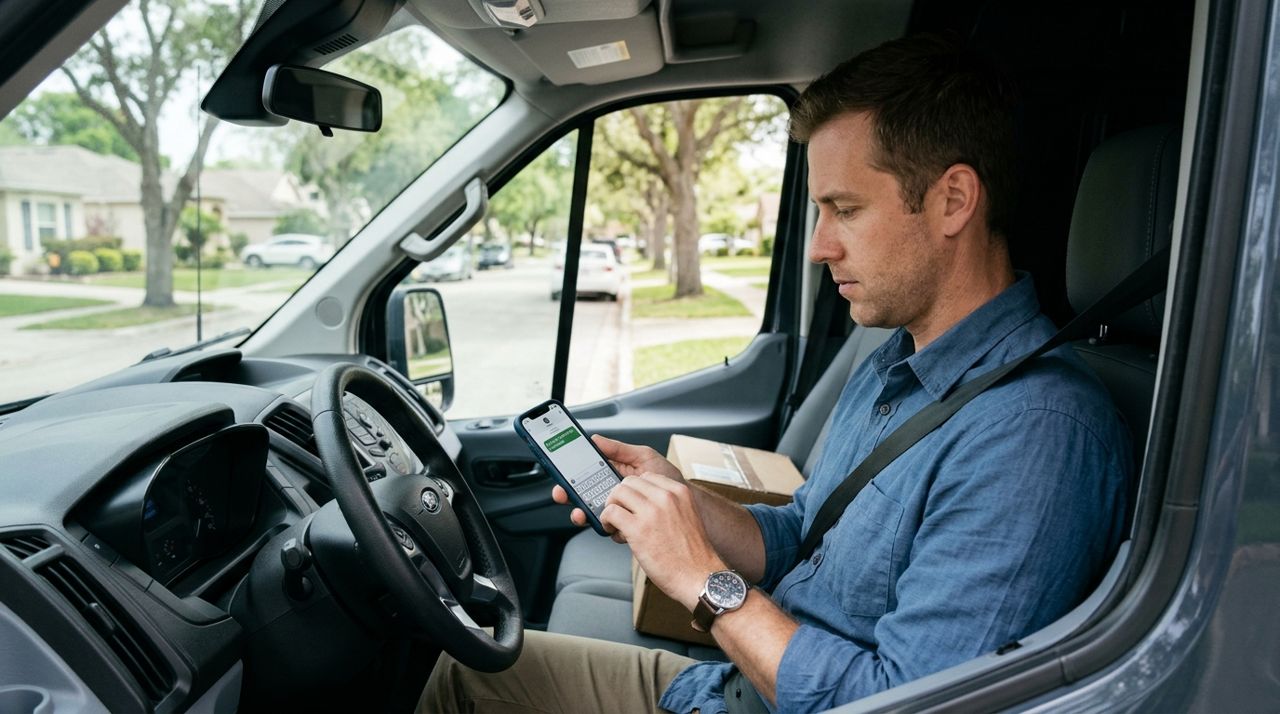
Delivery driver sitting in car typing message to customer on smartphone screen If you accept an order and realize timing is tight, use in-app messaging to let the customer know you're on the way and confirm the drop-off spot. A quick 'Picking up now, will be there in 12 minutes' message prevents confusion and bad ratings. If the merchant is running behind and you might be late for pick-up, communicate that too.
Customers appreciate transparency. They'd rather get a heads-up than wonder where their order is. Good communication often turns a potentially bad experience into a decent tip. It also protects your ratings, which matter when you're working part-time and can't afford to lose access to the platform.
Pro tips
- Keep a charging cable and phone mount in your car so you're always ready to start a shift without scrambling.
- Fill up gas the night before so you're not burning morning minutes at the pump.
- Pack snacks and water; hunger and thirst kill focus and make short windows feel longer.
- Set a timer for 20 minutes before pick-up time so you never lose track and miss the bell.
Frequently asked questions
- Can I really make decent money in just two or three hours a day?
- Yes, if you work peak times. Lunch and dinner shifts typically earn $18 to $28 an hour in most cities after expenses, depending on tips and order volume. Three focused hours during peaks often beats six hours of mixed slow and busy time.
- What if I get an order and my kid's school calls with an emergency?
- Pause your status immediately, contact the customer through the app to explain, and if you haven't picked up the food yet, cancel the order. Your kid comes first; one cancellation won't ruin your account, but a pattern will.
- Is it better to deliver food or packages when working short windows?
- Food delivery usually pays better per hour because orders are frequent and tips are common, but it requires tighter timing since food goes cold. Package delivery is more flexible but often pays less per stop. Test both and track your earnings.
Delivery work won't replace a full-time salary, but it can bring in $400 to $800 a month working around school schedules, without daycare costs or a boss questioning your availability. The key is treating those short windows like real shifts: show up on time, work the busy zones, and track what actually pays. If you want an app that lets you control your radius, hours, and job types all in one place, Lumo gives you that flexibility across food delivery, local errands, and more.
Photos are illustrative. Service prices are typical ranges and vary by city. How we write our guides.
More guides like this
How to Sign Up to Deliver Food and Packages and Get Your First Job
Delivery work offers flexible hours and immediate income, but getting started requires knowing where to find jobs and how to set yourself up for success.
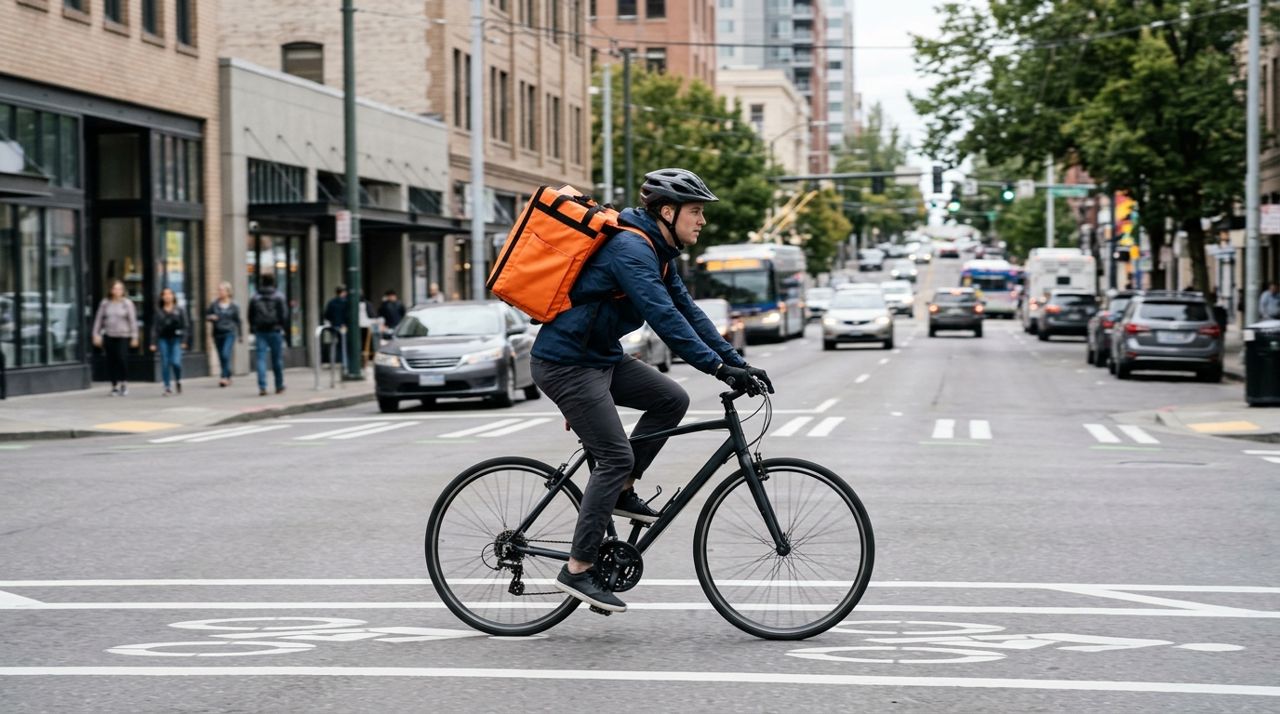
How to Deliver Food & Groceries by Bike in a Dense City
Bike and e-bike delivery in a crowded city is faster than driving—if you know the routes, pack smart, and handle the weather. Here's how it actually works, from signup to drop-off.
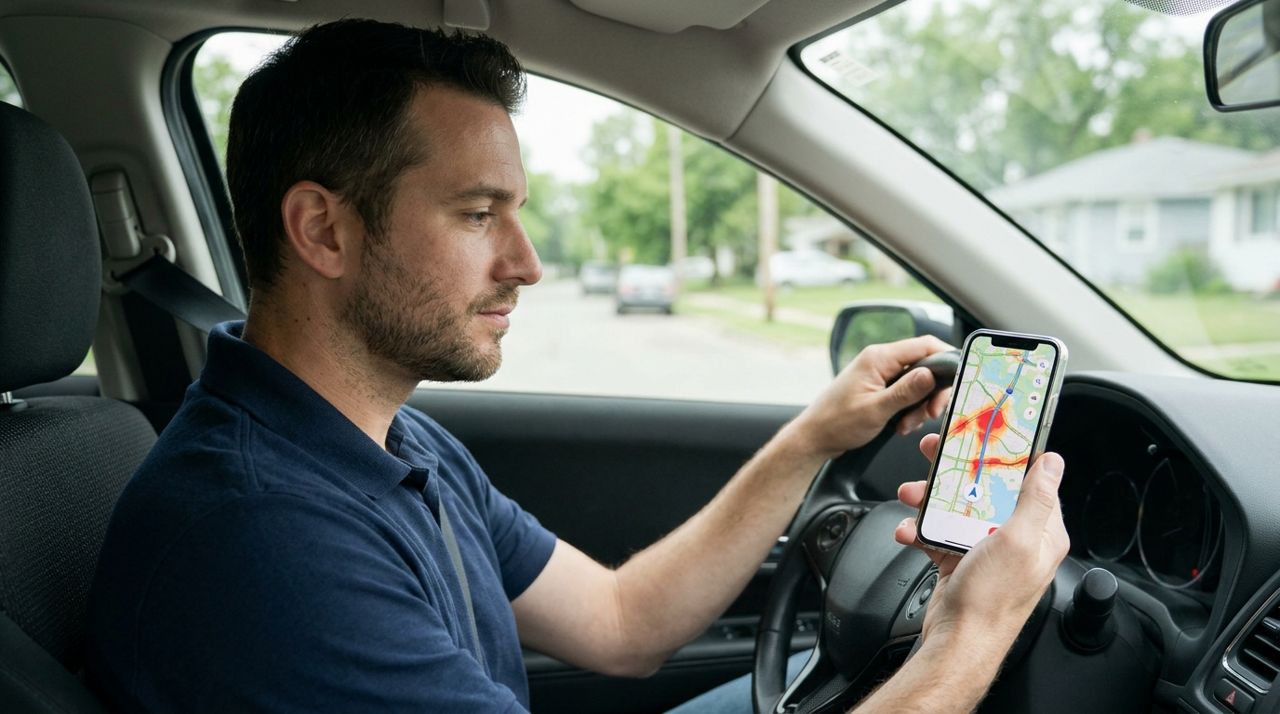
How to Use the Busy Map to Find Where Orders Are Coming In
The busy map shows you real-time order activity in your city. Here's how to read it, position yourself in hot zones, and earn more per hour with less idle time.