
How to Sell Kids' Clothes and Toys Online in Your Neighborhood
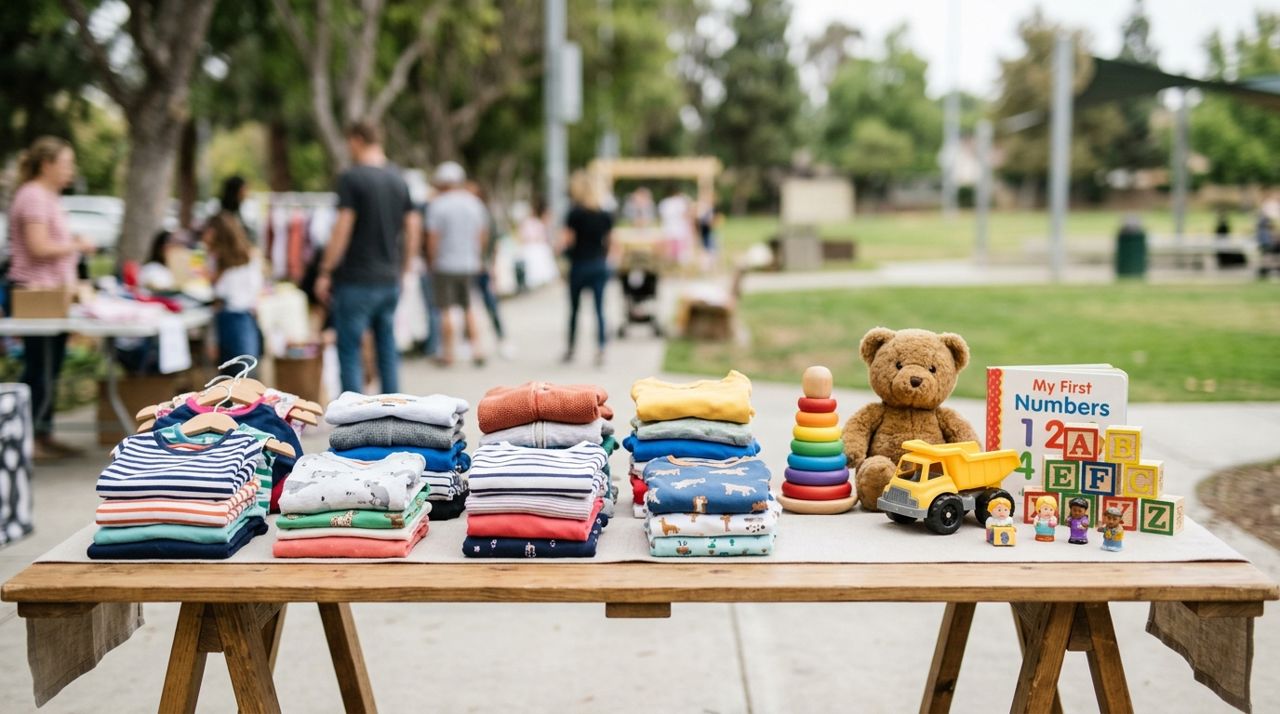
The average American child outgrows clothing every three to six months during their first few years, and toy bins overflow with barely-used items that once seemed essential. Those bags sitting in your closet waiting for a garage sale represent real money—local resale markets show kids' clothes selling for 30-50% of retail, and quality toys often fetch 40-60% of their original price.
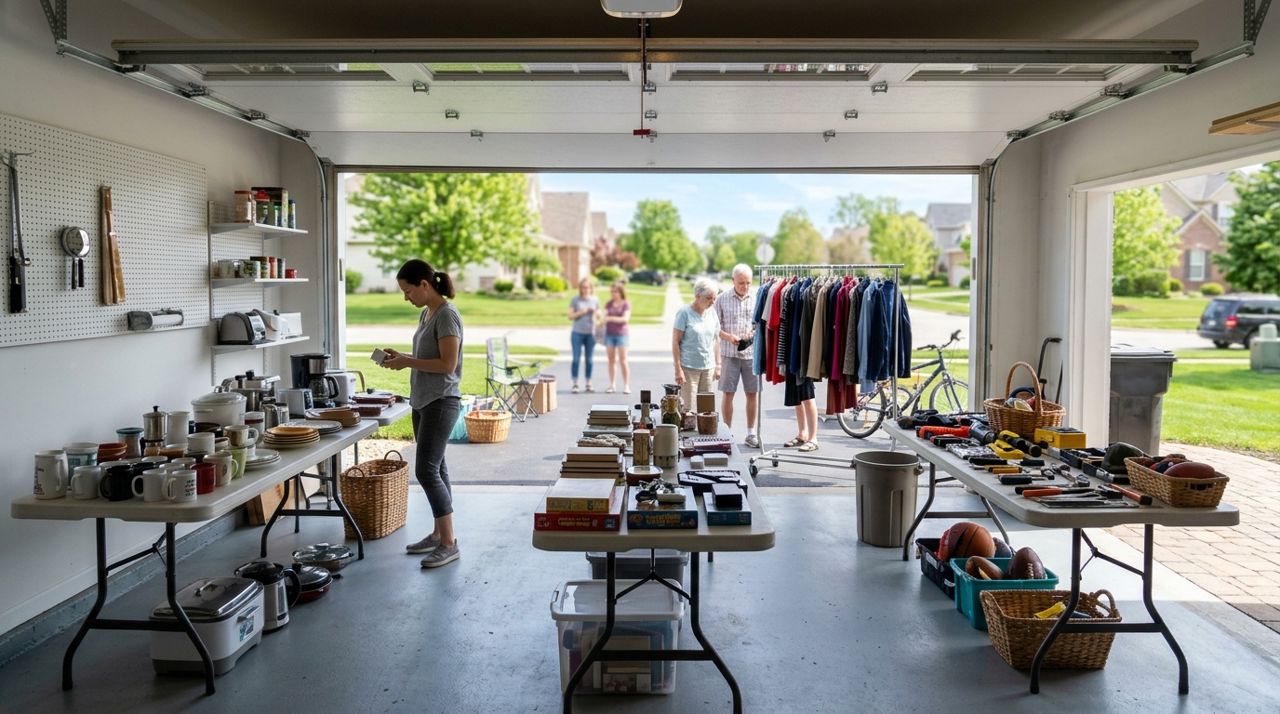
Selling locally online beats traditional garage sales (more buyers, no weather worries, no haggling strangers in your driveway) and avoids the shipping headaches of national platforms. This guide walks you through setting up shop, pricing items right, taking photos that sell, and getting cash in hand from families in your area who need exactly what your kids have outgrown.
- 01
Step 1: Sort and prep your items
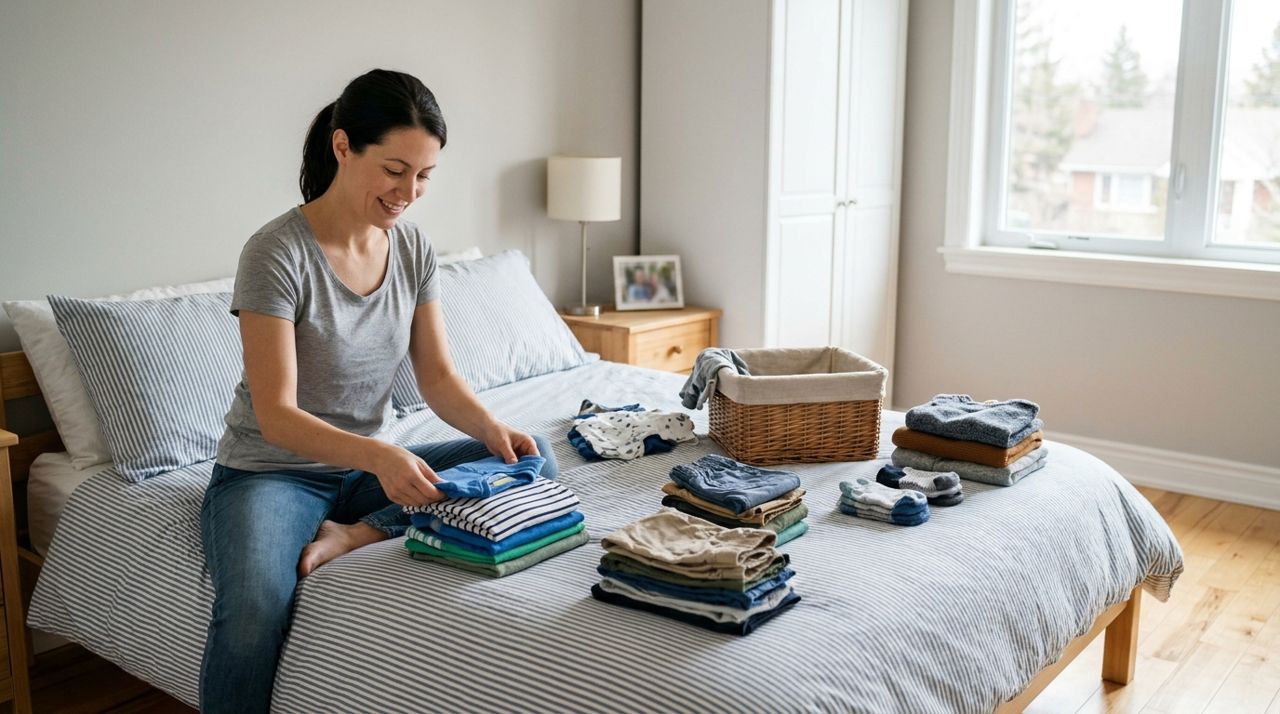
Parent organizing and folding children's clothes into neat piles on a bed Pull everything your kids have outgrown and sort ruthlessly. Only list items in good to excellent condition—stains, holes, broken zippers and missing pieces won't sell and waste your time. Check every zipper, snap and button. Wash or wipe down everything; buyers expect clean items ready to use.
Group by category: baby clothes (0-24 months), toddler clothes (2T-5T), big kid clothes (6-14), toys by age range, books, gear like strollers or car seats. Make piles of items you'll bundle together (five onesies, a set of board books) versus individual pieces worth selling alone (winter coats, special occasion outfits, popular toy brands). Check toy brands and clothing labels—name brands like Carter's, Hanna Andersson, Patagonia, and toys like LEGO, Melissa & Doug or KidKraft command higher prices.
- 02
Step 2: Research what similar items sell for
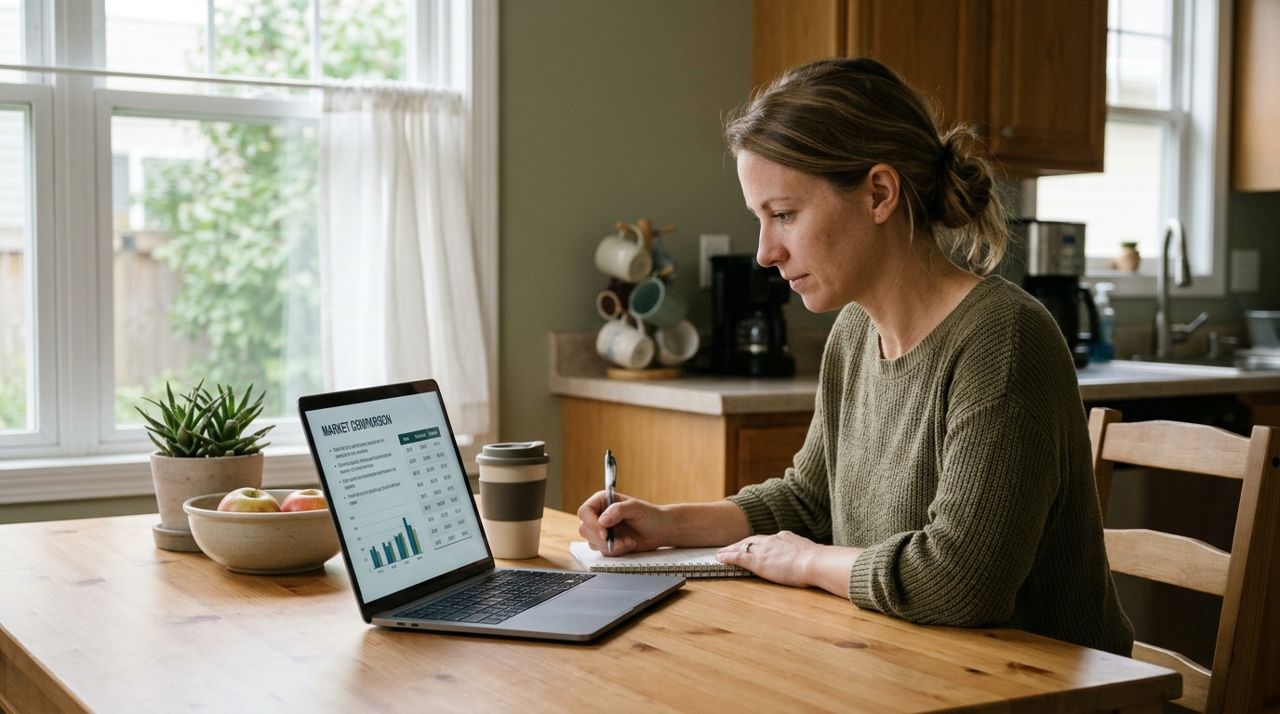
Woman at kitchen table looking at pricing research on laptop computer Spend 20 minutes looking at what local sellers charge for comparable items. Check online marketplaces, local Facebook groups and apps to see actual asking prices for the same brands, sizes and condition. Write down ranges: baby bodysuits typically go for $2-4 each or $15-20 for a bundle of five; toddler jeans run $5-8; winter coats $10-25 depending on brand.
For toys, search the specific item by name and model. A Fisher-Price activity table might sell for $25-35 used (versus $60-80 new), while generic plastic toys fetch $3-10. Popular items like American Girl dolls, LEGO sets, Nugget couches and ride-on toys hold value best. Remember you're competing with thrift stores ($3-5 for shirts) and discount retailers, so price to move. Most kids' items sell best at 30-50% of the current retail price for that item in new condition.
- 03
Step 3: Take clear, honest photos
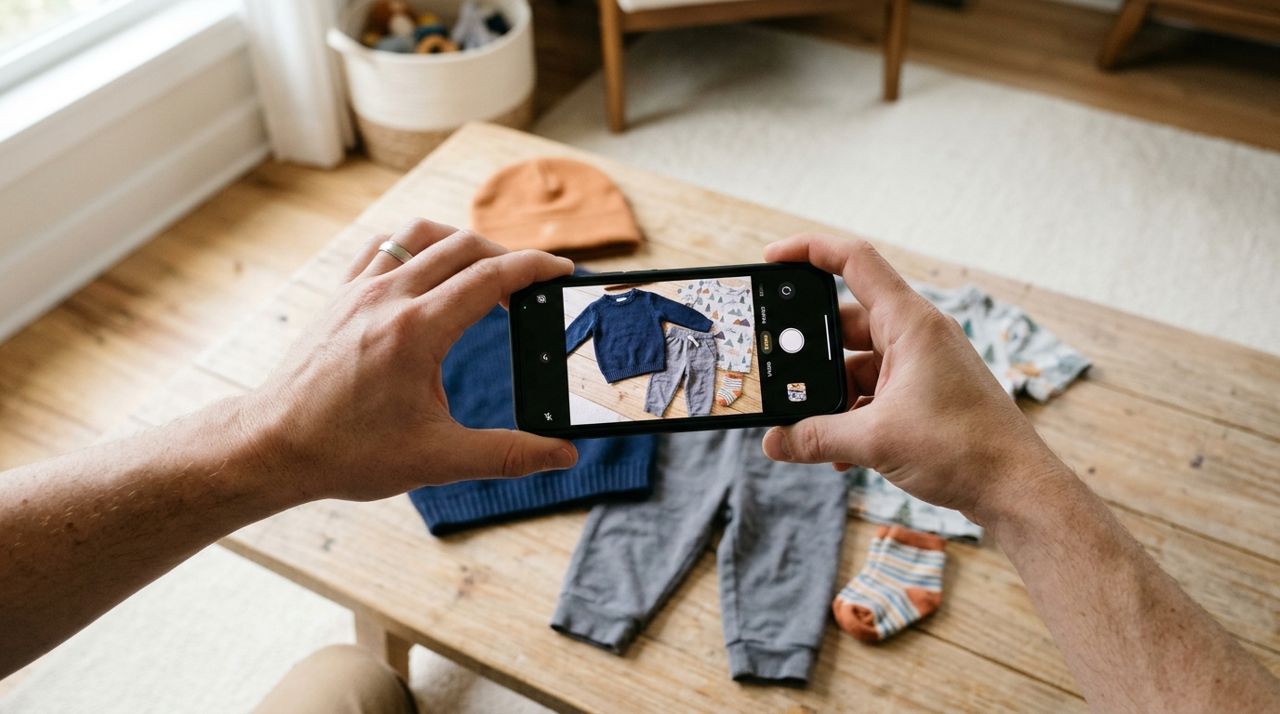
Hand holding smartphone taking overhead photo of children's clothing laid flat Good photos make the difference between items that sit and items that sell in hours. Use natural light near a window, lay clothes flat on a neutral surface (white sheet, wood floor, plain carpet) or hang them on a hanger against a blank wall. Photograph toys on the floor or table with nothing cluttered in the background.
Take at least three photos per item: one straight-on full view, one close-up of any brand label or tag, and one showing the item in use or scale (stuffed animal next to a coffee mug for size, dress on a hanger). If there's any wear—a small mark, slight fading, normal washing wear—photograph it clearly. Honest photos build trust and prevent 'not as described' complaints. For bundles, spread everything out so buyers see exactly what they're getting. Skip filters; buyers want to see true colors.
- 04
Step 4: Create your shop and list items
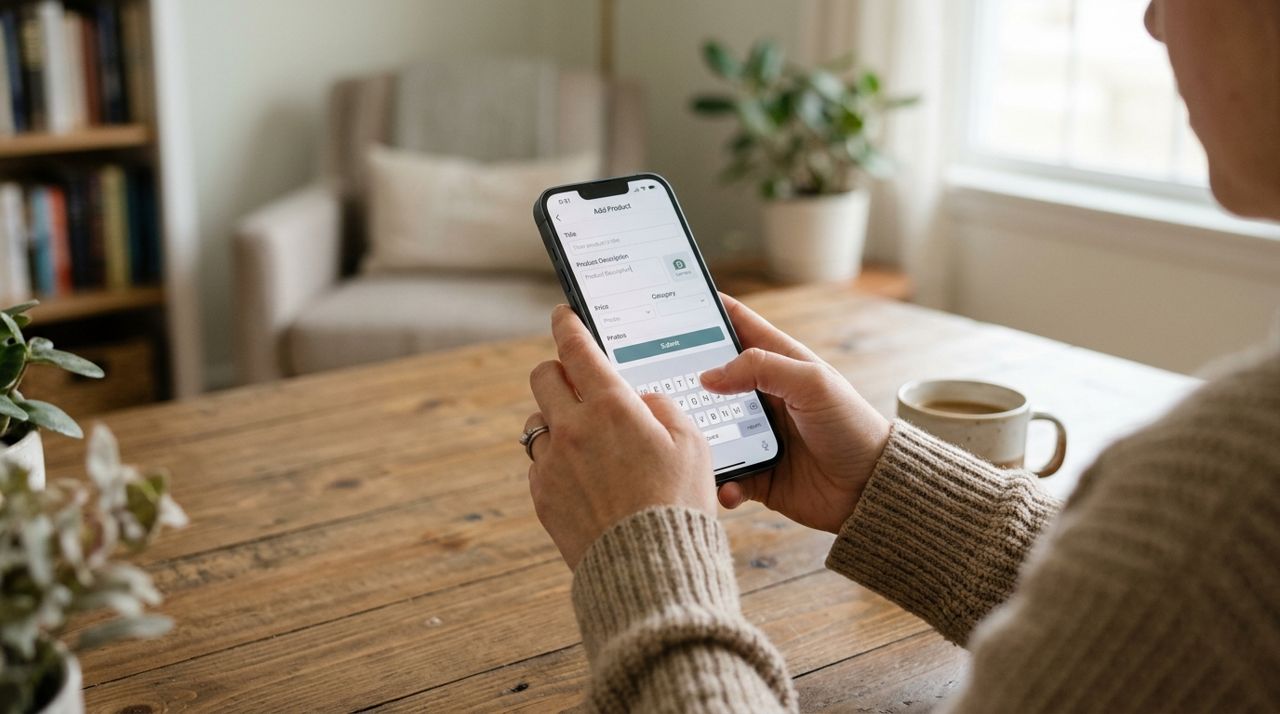
Person's hands holding phone entering product details into selling app interface On Lumo, you can open a free shop right from the Seller mode in the app (available on iPhone, Android, or at golumo.app). Add your items one by one with a clear title (include brand, size, condition: 'Carter's 12M sleeper, excellent condition' or 'Melissa & Doug wooden puzzle, complete'), your best photo first, a short description noting any flaws, and your price.
For stock, enter 1 for single items or the actual count for bundles. List everything even if you have 30 items—it takes 2-3 minutes per listing once you get in a rhythm. Group similar items in your shop by adding categories in your descriptions (all 2T clothes, all board books, all bath toys). You only pay a 5% service fee when something actually sells, so there's no risk in listing everything. Buyers in your area will browse your full shop, and many will buy multiple items at once.
- 05
Step 5: Respond quickly and arrange pickup or delivery
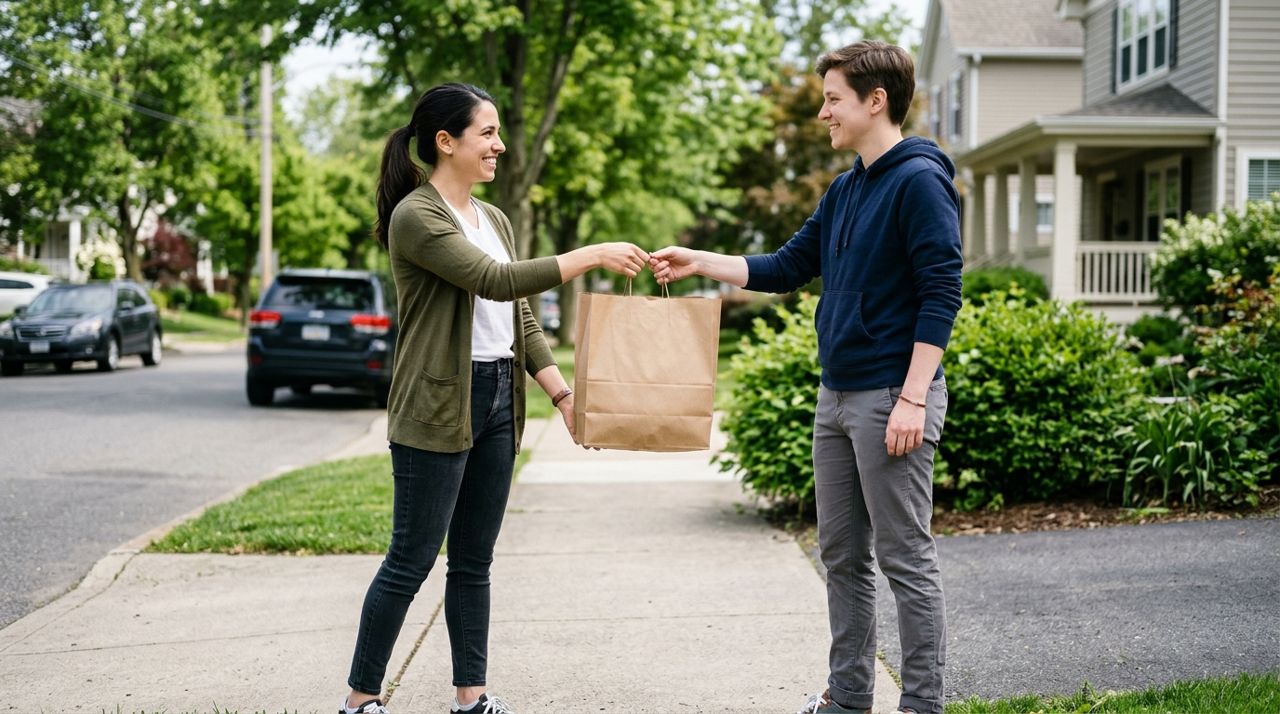
Two people meeting outdoors, one handing a shopping bag to another When you get an order alert, respond within an hour if possible—fast replies convert browsers into buyers. Use the in-app messaging to confirm the items and arrange details. Most local buyers prefer pickup, which saves you both time. Suggest a public spot like a grocery store parking lot, coffee shop or library if you're not comfortable with your home address.
If the buyer wants delivery and you're willing to drop items off (great for selling heavier items like ride-on toys or multiple bags of clothes), confirm the delivery address and timing. Pack everything in a clean bag or box. For clothing, fold neatly. For toys, include any pieces, instructions or batteries if they're still good. Put orders together the night before if you're meeting in the morning—early-morning buyers are serious and often buy more.
- 06
Step 6: Get paid and keep good records
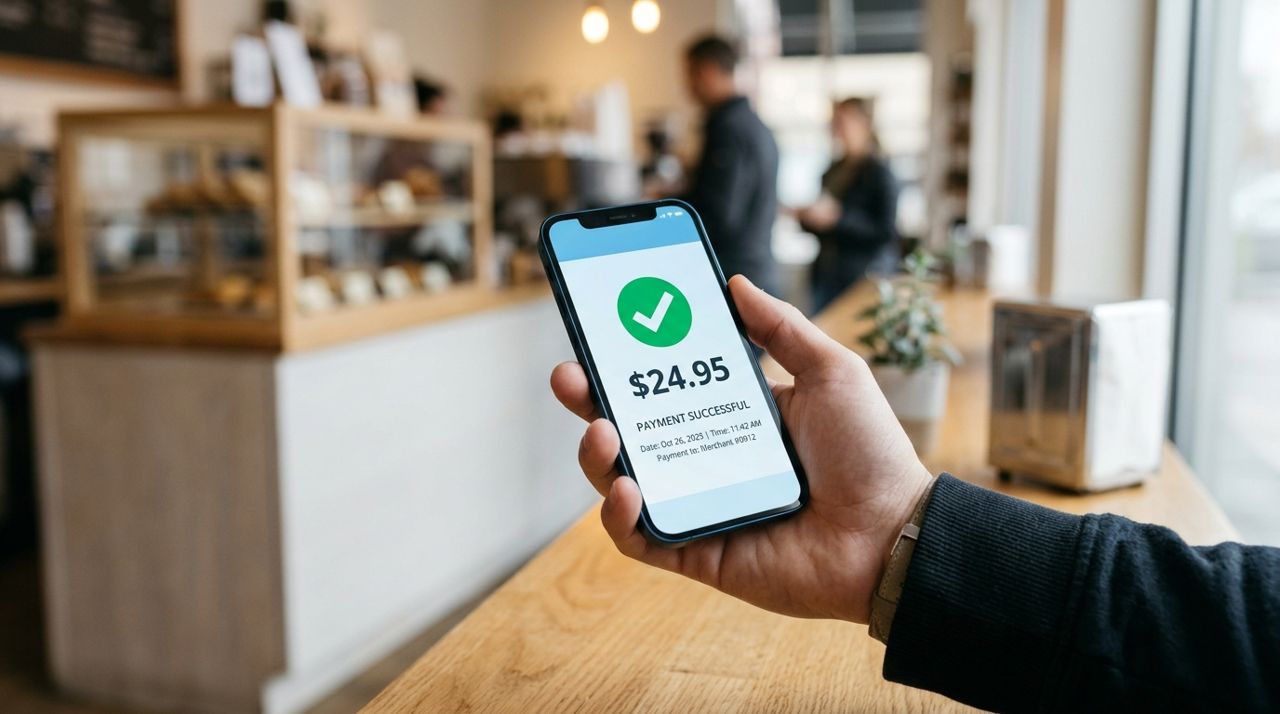
Smartphone screen showing successful payment confirmation with checkmark and dollar amount Payment happens securely through the app by card when the buyer places the order, so you never handle cash or wait for checks. After the pickup or delivery, the funds land in your in-app wallet. You can cash out anytime to your bank account—most sellers do it weekly or monthly depending on volume.
Keep a simple spreadsheet or note of what you sold and for how much, especially if you're selling a lot. Some sellers track 'original price paid, sold for, and profit' to see what's worth listing. If you're making significant money (over $600 in a year from one platform), you'll get tax forms and should report it. But for most parents clearing out kids' stuff, you're selling items for less than you paid, which isn't taxable income. Good records help if you ever have questions.
- 07
Step 7: Build your reputation and repeat
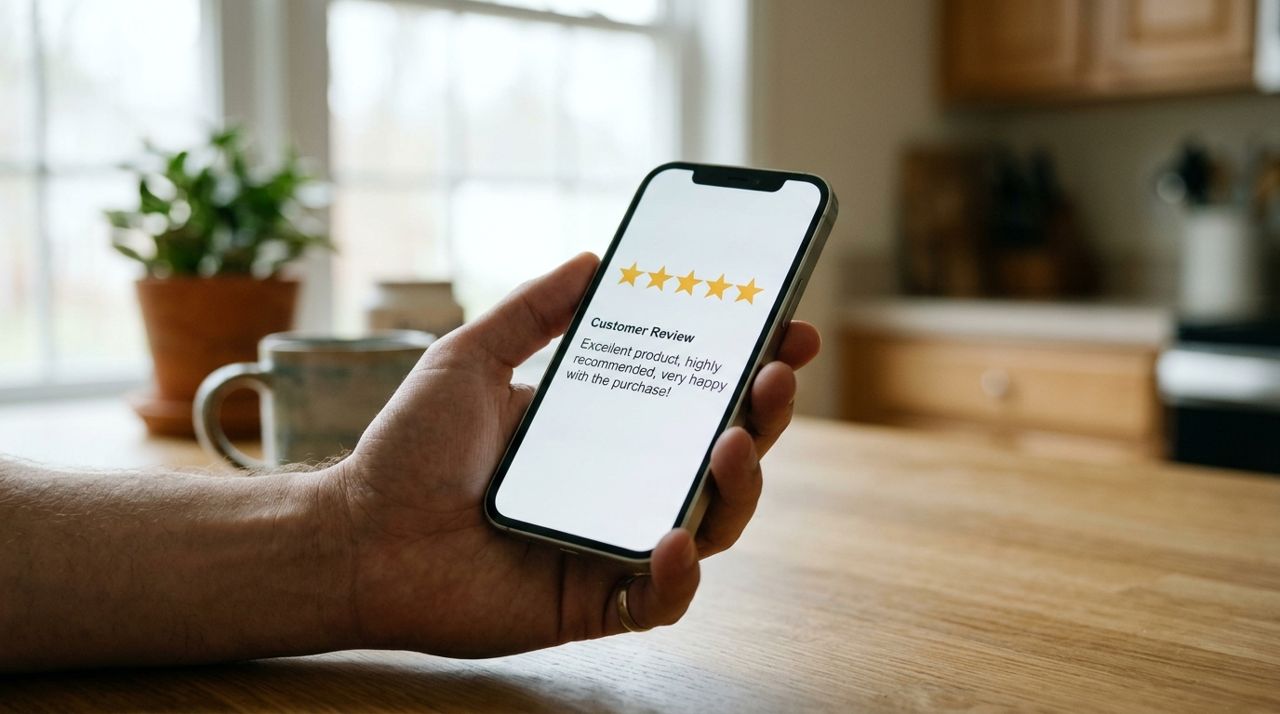
Hand holding phone displaying five gold stars and positive customer review After each sale, buyers can rate and review their experience. Respond professionally to any issues (wrong item, missing piece), offer a partial refund if appropriate, and you'll build a reputation as a reliable seller. Positive reviews mean future buyers trust your descriptions and are more likely to buy without asking a dozen questions.
As your kids keep outgowing things, add new items to your existing shop. Buyers who had a good experience will check back, and you'll build a little side income stream. Some parents make $200-400 every few months just keeping their shop updated with outgrown items. Relist anything that doesn't sell after 30 days with fresh photos or a lower price, or donate it and take the tax deduction. The goal is turning clutter into cash without it becoming a second job.
Pro tips
- Bundle smaller items (five shirts, three books) to reduce the number of transactions and increase the average sale price to $15-25 instead of $3-5 per item.
- List seasonal items 4-6 weeks before the season starts—winter coats in September, swimsuits in April—when parents are shopping ahead and willing to pay more.
- Include measurements for shoes and brands that run small or large; a 24-month dress that actually fits an 18-month-old needs that noted in the description.
- Cross-post high-value items ($30+) to multiple local platforms to reach more buyers, but pull listings everywhere once something sells to avoid double-booking.
- Save boxes and gift bags from purchases throughout the year to use for packing orders—it's free and looks more thoughtful than a grocery bag.
Frequently asked questions
- How do I price baby clothes that have been washed a lot but have no stains or damage?
- Price them in the 'good' condition range at the lower end of market value, typically 30-40% of current retail. Be upfront in your description: 'washed and worn, no stains or flaws, lots of life left'. Parents shopping for everyday clothes care more about clean and functional than like-new, and they'll appreciate the honesty.
- What if a buyer says an item doesn't fit or isn't what they expected?
- If your description and photos were accurate, you're not obligated to accept returns on used kids' items—sizing varies by brand and kids' measurements. But for goodwill and good reviews, consider offering a partial refund (20-30%) or let them return it for a full refund if it's clearly your error. Most issues come from unclear descriptions, so the better your listing, the fewer problems you'll face.
- Is it worth selling individual small items like single shirts or small toys?
- Not usually. Your time taking photos, listing and arranging pickup for a $3 shirt isn't worth it. Bundle at least 3-5 similar items together (all size 2T, all bath toys, all board books) to get the sale up to $12-20. Donate or save single low-value items for an occasional big lot sale where you sell 'a huge bag of 2T boy clothes, 25+ pieces' for $40-50.
Selling your kids' outgrown clothes and toys locally turns unused stuff into useful cash—and helps other families get quality items at prices that fit their budgets. Start with the best items in your house, take a Saturday afternoon to photograph and list, and you'll likely see your first sale within days. Once you've cleared the current backlog, keep your shop active and updated as a simple way to offset the constant costs of raising kids.
Photos are illustrative. Service prices are typical ranges and vary by city. How we write our guides.
More guides like this

How to Sell Your Used Furniture Online and Get Paid Quickly
Selling furniture you no longer need doesn't have to mean low-ball offers or sketchy parking-lot meetups. This guide walks you through photographing, pricing, listing, and getting paid for couches, tables, beds, and more.
How to List a Garage Full of Items for Sale Online (Step by Step)
Facing a garage full of stuff you want to sell? This guide walks you through listing dozens of items quickly—from sorting and photographing to pricing and managing your online shop.

How to Sell Your Used Car Safely to a Local Buyer
Selling your car privately can net you $1,000–3,000 more than a dealer trade-in, but it requires careful planning to avoid scams and legal headaches. This guide walks you through every step from listing to handing over the keys.