
How to Sell Your Used Furniture Online and Get Paid Quickly

Moving to a smaller place, redecorating, or just clearing space? The furniture that once fit your life now sits in the way, and hauling it to the curb feels wasteful when someone else could use it. Selling used furniture online used to mean juggling flaky buyers, no-shows, and payment headaches. Now platforms let you list items in minutes, connect with local buyers, and get paid securely without ever exchanging cash.
This guide shows you exactly how to photograph your furniture, set a fair price, write a listing that sells, handle inquiries, and arrange safe pickup or delivery. Whether you're offloading a single desk or clearing out an entire apartment, these steps will help you turn unwanted furniture into money in your pocket.
- 01
Step 1: Clean and photograph your furniture
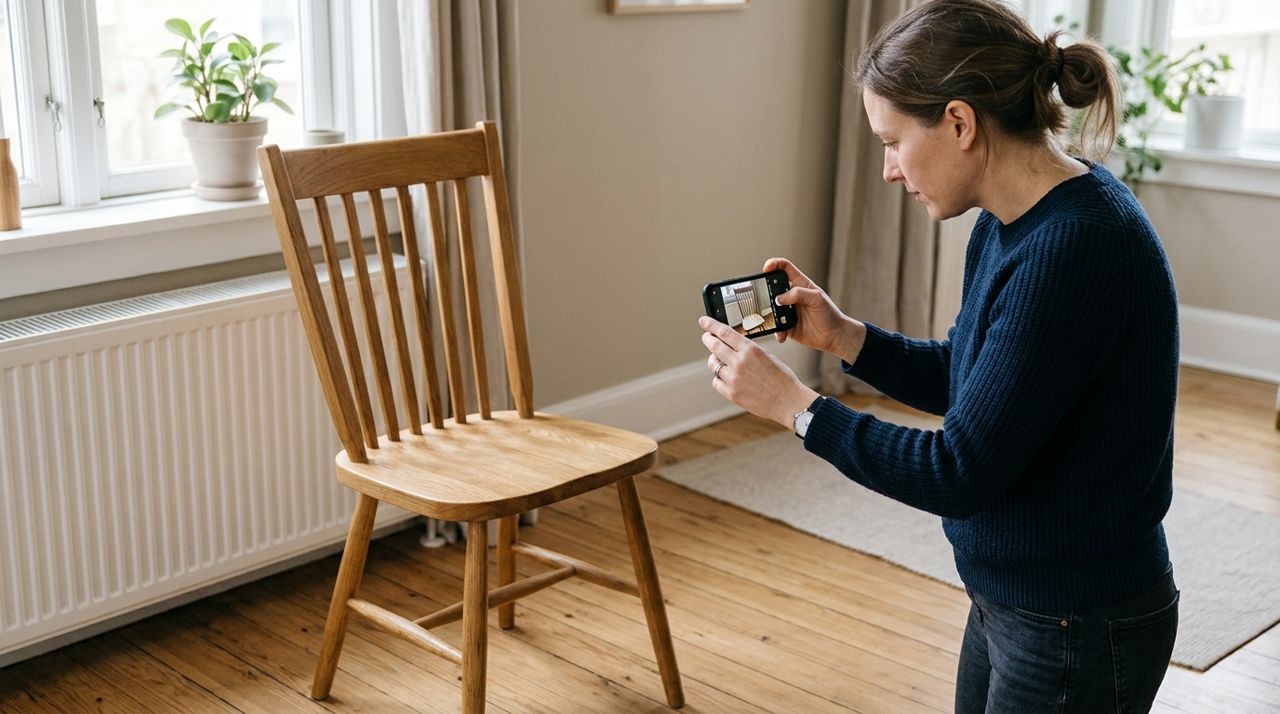
Person taking a photo of a wooden chair with a smartphone in natural light Wipe down surfaces, vacuum upholstery, and touch up minor scuffs if it takes under ten minutes. Buyers scroll fast, so your first photo determines whether they stop or keep swiping. Take pictures in good natural light near a window or outdoors. Shoot straight-on from eye level, not from above, and capture the whole piece plus one or two close-ups of details like hardware or fabric texture. Show any damage honestly in a separate photo; hiding scratches or stains leads to refunds and bad reviews. For large items like sofas, photograph them from multiple angles and include a tape measure or common object for scale. Clear clutter from the background so the furniture stands out.
- 02
Step 2: Set a realistic price
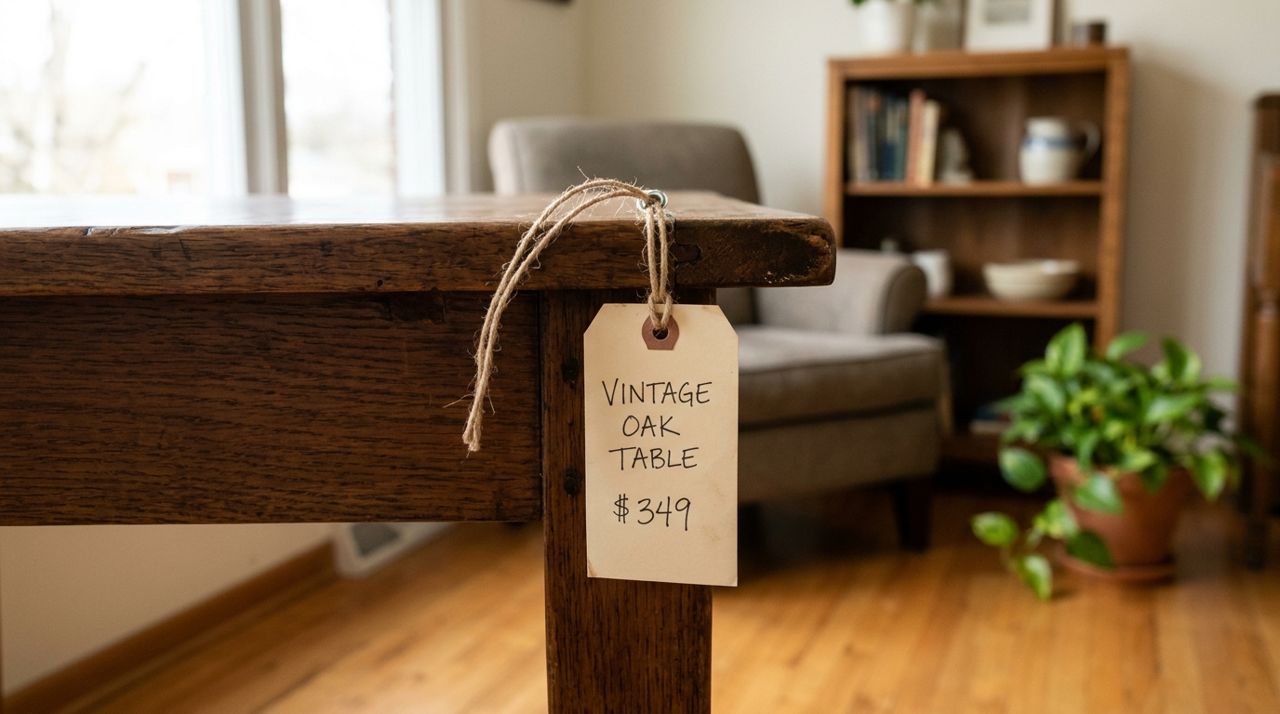
Close-up of a handwritten price tag attached to a wooden table Search what similar items are selling for right now in your city, not what they're listed at. A five-year-old IKEA dresser won't fetch half its original $300 price; expect 20 to 40 percent of retail for mass-market furniture in good condition. Solid wood, mid-century pieces, or designer brands hold value better and can command 50 to 70 percent of retail. Factor in condition: pristine pieces earn top dollar, visible wear knocks off 20 to 30 percent, and heavy damage or missing parts mean you're selling for the cost of hauling it away. Price slightly above your minimum to leave room for negotiation. Avoid round numbers; $85 feels more deliberate and negotiable than $100. If you need it gone fast, underprice by 15 percent and say 'firm' in the listing.
- 03
Step 3: Write a clear, specific listing

Hands typing a detailed product description on a laptop keyboard Start with the exact item and dimensions in the title: 'Grey sectional sofa, 110 inches, seats 5' beats 'Nice couch'. In the description, list measurements (length, width, height), material, color, brand if recognizable, and age or purchase year. Mention condition honestly: 'Light wear on armrests' or 'Like new, smoke-free home'. State whether it disassembles (beds, tables) or comes in one piece, and note if stairs or tight doorways are involved at pickup. Specify pickup only or offer delivery for a fee (typical range is $30 to $80 depending on distance and size). End with your general neighborhood and available pickup times, like 'Near downtown, evenings and weekends'. The more details you include upfront, the fewer back-and-forth messages you'll field.
- 04
Step 4: Choose a platform and post your listing

Person holding a smartphone displaying a furniture listing with photos and price Lumo lets personal sellers open a free shop, add items with photos and prices, and pay a 5 percent service fee only when you make a sale. Buyers browse the app, message you directly, and pay securely by card so you never handle cash. Other options include Facebook Marketplace (huge reach, but expect flaky inquiries), Craigslist (older audience, cash deals, more no-shows), or OfferUp and Nextdoor. You can list on multiple platforms at once; just pull the listing everywhere as soon as someone commits. On Lumo and similar apps, you'll get instant alerts when someone messages or buys, so turn on notifications. Most furniture sells within three to seven days if priced fairly and photographed well. If you get no bites in a week, drop the price by 10 to 15 percent.
- 05
Step 5: Screen buyers and confirm details

Close-up of a phone screen showing a friendly text message conversation When someone messages, confirm they understand the size, condition, and pickup requirements. Ask when they'd like to pick up and whether they're bringing help; a solo buyer showing up for a queen mattress is a red flag. Agree on a specific time window, not 'Saturday afternoon'. For cash deals, meet in a public spot or have someone home with you; for in-app payments like Lumo, payment clears before pickup so you're protected. Share your address only after a firm appointment. If a buyer offers to pay extra for shipping or sends a check for more than the asking price, it's a scam; block and move on. Serious buyers ask practical questions about measurements or stains, not vague 'Is this available?' messages repeated without follow-up.
- 06
Step 6: Prepare for pickup day
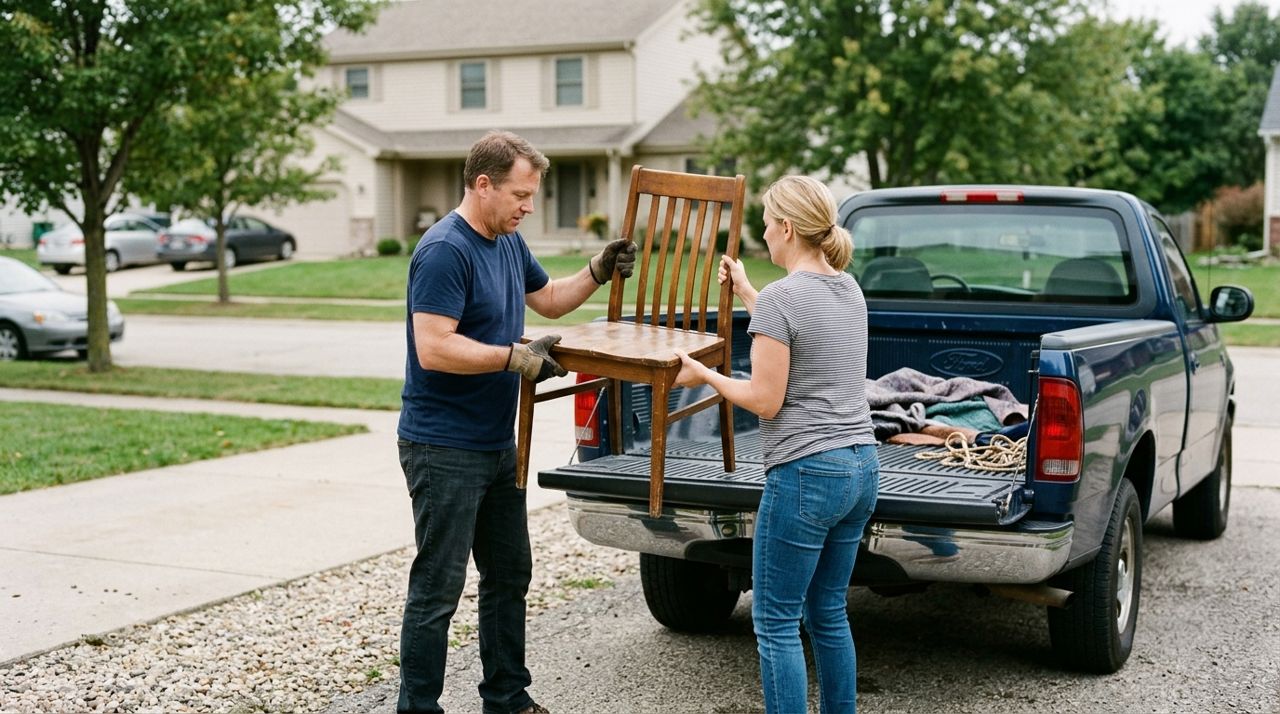
Two people loading a chair into the back of a pickup truck Move the item near your door or garage so you're not dragging a couch down stairs while the buyer waits. Disassemble anything that comes apart (bed frames, table legs) and keep hardware in a labeled bag taped to the piece. Measure doorways and staircases ahead of time; if it's tight, warn the buyer so they bring tools or extra hands. On pickup day, be ready at the agreed time. The buyer inspects the item, loads it, and if you're using an app like Lumo, payment processes automatically. If it's cash, count it before they leave. Once it's gone, delete or mark the listing as sold everywhere you posted it. Take a photo of the empty space as proof of pickup if you're using a platform that requires it, and leave a rating if the platform allows it.
- 07
Step 7: Get paid and wrap up

Phone screen displaying a successful payment notification with dollar amount If you used an app with in-app payments, funds land in your account or wallet immediately after pickup is confirmed. Some platforms hold funds for 24 hours in case of disputes, so check the policy. On Lumo, earnings go to your in-app wallet and you can request a payout to your bank account whenever you're ready. For cash sales, deposit large amounts the same day. After the sale, check your space for any leftover hardware, packaging, or manuals and message the buyer if you find something. If the buyer leaves a review, respond politely even if it's mixed; future buyers see how you handle feedback. If you're selling more furniture, apply what you learned: the photos, descriptions, and pricing that worked this time will work again.
Pro tips
- List furniture Thursday or Friday; weekend browsers are most active and ready to pick up Saturday.
- Bundle small items (nightstand plus lamp, four dining chairs) for a slightly higher price than selling separately.
- Offer to hold an item for 24 hours with a small deposit to weed out flakes, but don't hold longer without full payment.
- Save your listing text and photos; if it doesn't sell in two weeks, relist as 'new' to bump it to the top of search results.
Frequently asked questions
- What if the buyer says the furniture doesn't fit after they arrive?
- If you provided accurate measurements in the listing and messages, the sale stands; they chose not to measure their space. Offer to help them reload it, but you're not obligated to refund. This is why listing exact dimensions upfront protects you.
- Should I offer delivery or pickup only?
- Pickup only keeps things simple and avoids liability if the furniture is damaged in transit. If you offer delivery, charge a flat fee ($30 to $80 depending on distance and item size) and have the buyer pay upfront. Use a truck or rent one; don't risk your car's interior with a stained couch.
- How do I handle buyers who want to negotiate after seeing the item?
- If your listing was honest and the item matches the photos, hold firm or offer a tiny discount ($5 to $10) to close the deal. If they point out damage you didn't disclose, a 10 to 15 percent reduction is fair. Don't drop the price more than 20 percent on the spot; you can always relist.
Selling furniture you no longer need is straightforward when you clean, photograph, price, and list with care. Clear communication and honest descriptions eliminate most headaches, and platforms with secure in-app payments protect both you and the buyer. Whether you're selling one bookshelf or furnishing someone's first apartment, these steps turn clutter into cash and give your furniture a second life with someone who needs it.
Photos are illustrative. Service prices are typical ranges and vary by city. How we write our guides.
More guides like this
How to List a Garage Full of Items for Sale Online (Step by Step)
Facing a garage full of stuff you want to sell? This guide walks you through listing dozens of items quickly—from sorting and photographing to pricing and managing your online shop.

How to Sell Kids' Clothes and Toys Online in Your Neighborhood
Your kids outgrow clothes and toys faster than you can keep up. Here's how to turn those gently used items into cash by selling locally to families who need them.

How to Sell Your Used Car Safely to a Local Buyer
Selling your car privately can net you $1,000–3,000 more than a dealer trade-in, but it requires careful planning to avoid scams and legal headaches. This guide walks you through every step from listing to handing over the keys.