
How to Work as a CDL or Box-Truck Driver for Moving and Hauling
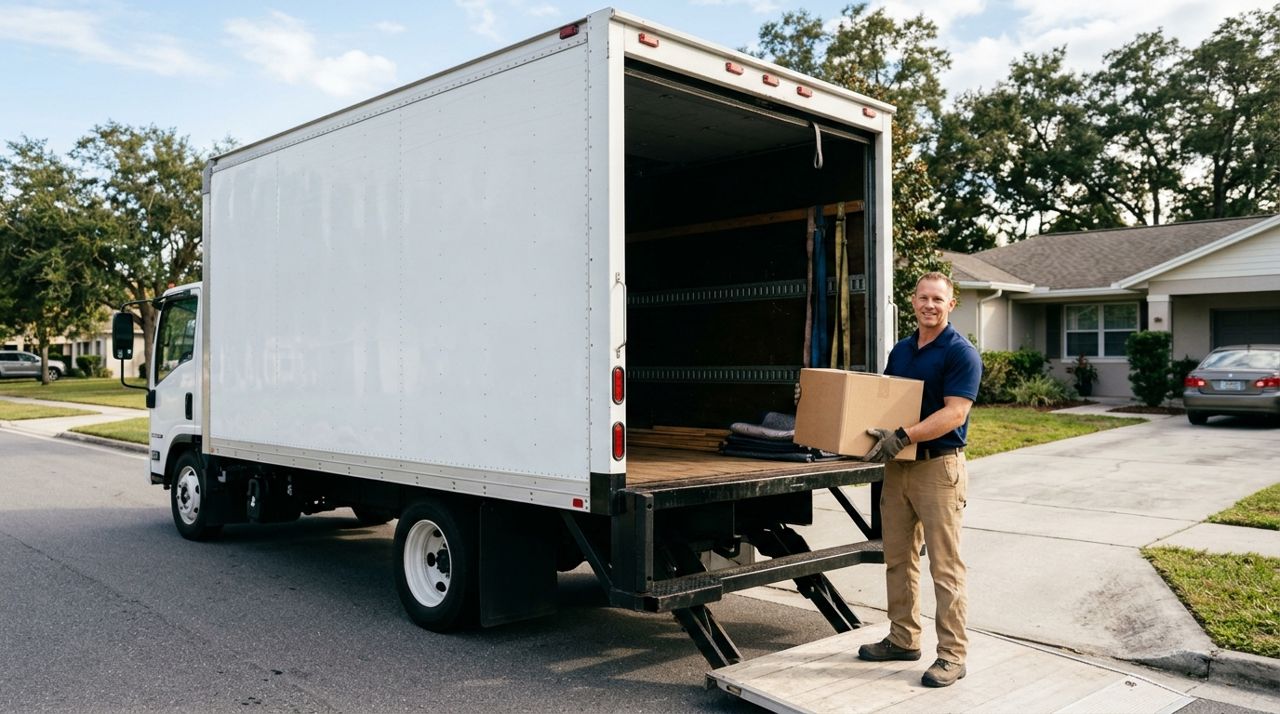
If you have a CDL or access to a box truck (16–26 feet), you can tap into steady demand for larger moves and hauls that regular pickup trucks cannot handle. Families need furniture moved between homes, businesses need same-day freight delivery, and estate sales require full-house cleanouts. Unlike long-haul trucking, local moving and hauling jobs let you sleep at home every night while earning $30–60 per hour depending on your market.
This guide covers how to get started, where to find jobs, how to price your services competitively, what equipment you need, and how to turn one-time customers into repeat clients. Whether you own your truck or rent one by the day, you will learn how to fill your calendar and maximize earnings per mile driven.
- 01
Step 1: Get the right license and insurance
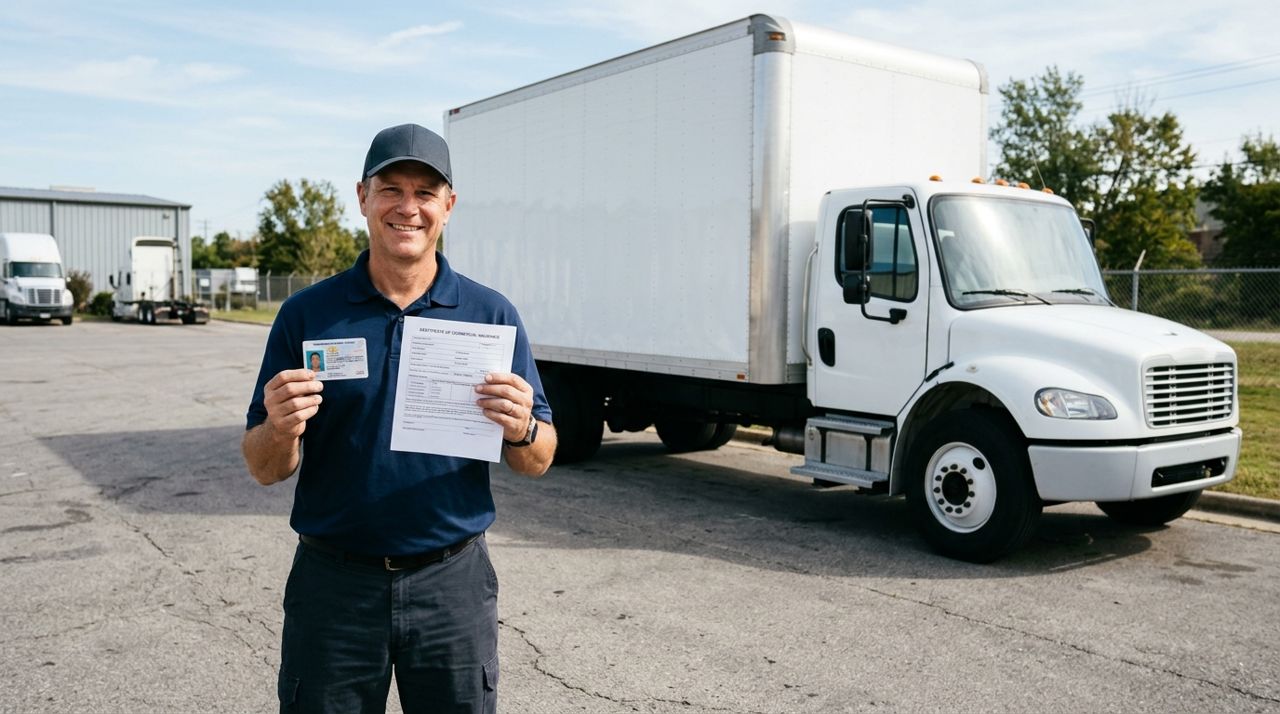
Commercial driver holding CDL license and insurance documents in front of box truck For box trucks under 26,000 pounds GVWR, a regular driver's license works in most states, but anything heavier requires a Class B or Class A CDL. Check your state DMV requirements. If you are just starting out, rent a smaller box truck (16–20 feet) that does not need a CDL while you build your client base.
Commercial auto insurance is non-negotiable. A basic liability policy for a box truck runs $200–400 per month depending on your driving record and coverage limits. Cargo insurance (covering clients' belongings) adds another $50–150 monthly but protects you from claims if something breaks during a move. Some platforms require proof of both before you can accept jobs.
- 02
Step 2: Decide whether to own or rent your truck
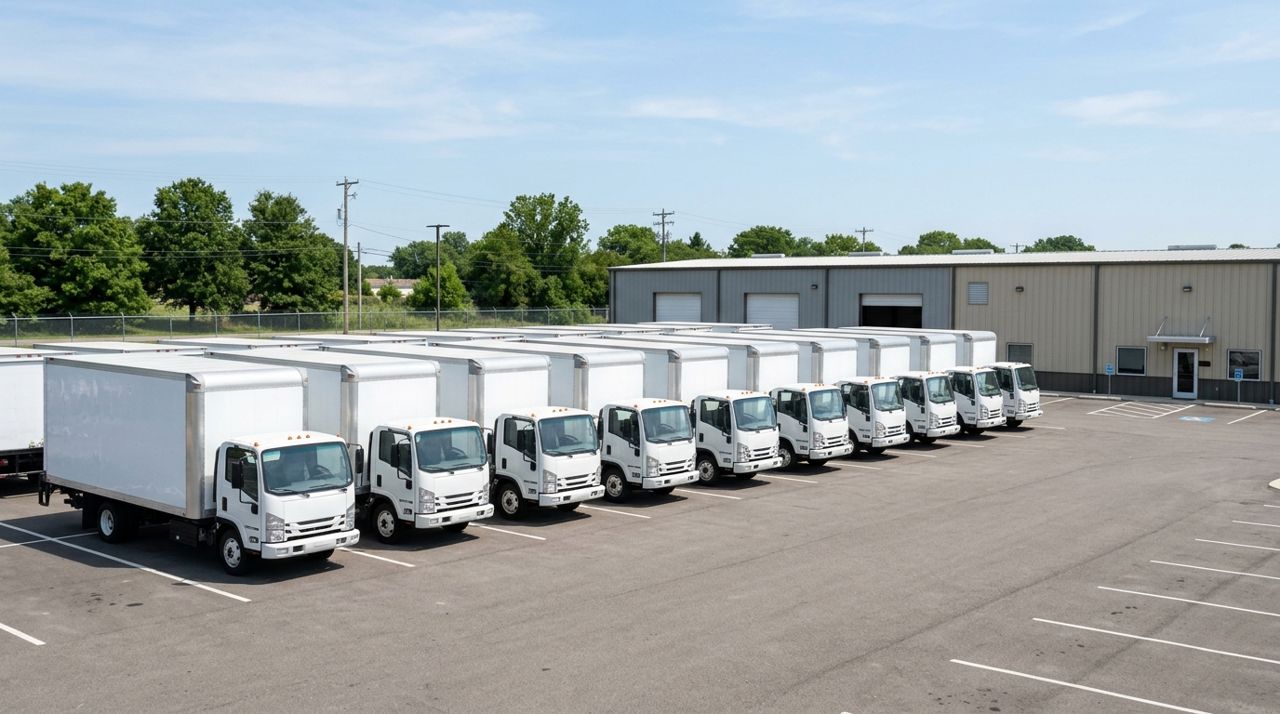
Row of white box trucks parked at commercial rental facility ready for daily hire Buying a used box truck costs $15,000–40,000, plus maintenance, fuel, insurance, and parking. Renting from U-Haul, Penske, or Budget runs $60–150 per day depending on truck size and mileage package. Do the math: if you book three jobs per week at $250 average, that is $3,000 monthly revenue. Subtract $1,200 in truck rental (four days/week), $400 insurance, and $600 fuel, and you still clear $800 profit while testing the market.
Once you have steady bookings (12+ jobs per month), buying makes sense. Look for low-mileage Isuzu NPR, Freightliner M2, or GMC/Chevy box trucks with under 100,000 miles. Budget another $200 monthly for maintenance reserves.
- 03
Step 3: Set up profiles on job platforms
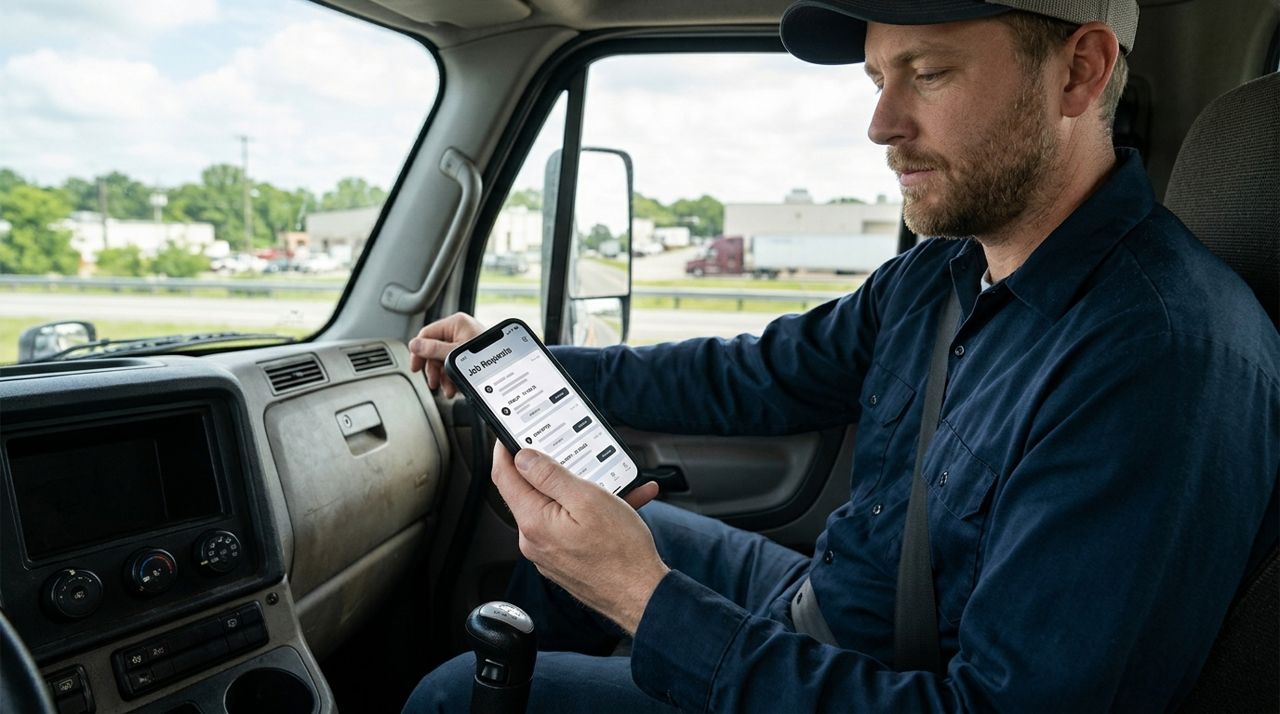
Driver checking moving job requests and notifications on smartphone screen in truck cab Most moving and hauling work comes through apps and websites. Lumo lets you set up a worker profile, choose 'Moving' and 'Hauling' as your service types, set a job-alert radius, and go on-duty when you are ready to accept bookings. You keep 90% of each job price, and customers book you directly through the app. Payment is automatic, and you can track earnings in your wallet.
Also list on GoShare, Dolly, Thumbtack, TaskRabbit (for smaller moves), and Craigslist. Each platform has different fee structures (10–30% commission is typical), so compare what you net after fees. Post clear photos of your truck, list your equipment (dollies, straps, blankets), and describe your experience. Respond to inquiries within 15 minutes to win more bids.
- 04
Step 4: Price your jobs competitively

Detailed moving job invoice on clipboard showing hourly rates, mileage, and itemized charges Most movers charge by the hour ($80–150 for a two-person crew with a truck) or by the job for longer hauls. For local moves under 30 miles, estimate total time (loading, drive, unloading) and multiply by your hourly rate. A typical two-bedroom apartment move takes three to four hours and runs $300–500. Estate cleanouts or furniture delivery from stores can hit $600+ for a full day.
For longer hauls (50+ miles), switch to flat-rate pricing: base fee ($100–150) plus $2–4 per mile plus hourly labor at the destination. Always add 30 minutes to your time estimate for traffic and stairs. Charge extra for flights of stairs ($25–50 per floor), heavy items over 150 pounds ($25–75 each), and packing services if you supply boxes and wrap furniture.
- 05
Step 5: Equip your truck properly
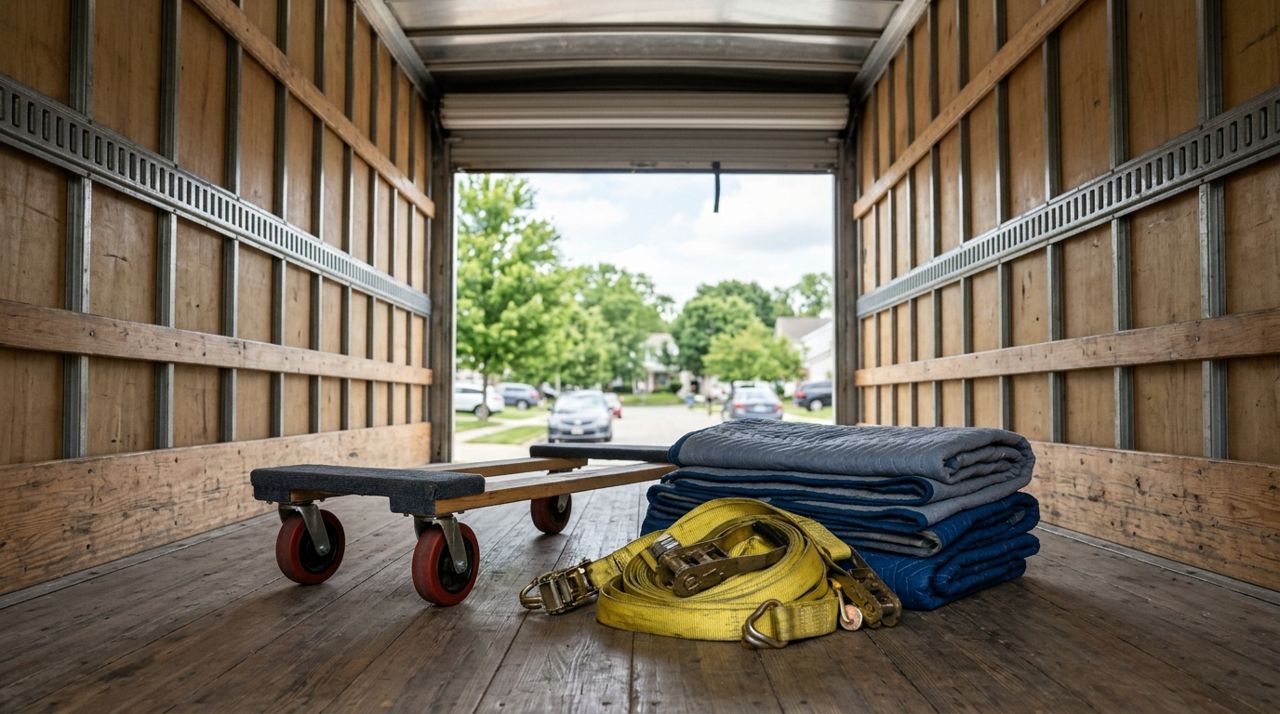
Furniture dolly, moving blankets, and ratchet straps organized inside box truck cargo area Basic gear every box-truck mover needs: appliance dolly ($80–150), furniture dolly ($50–100), 12-pack of moving blankets ($60), 24 ratchet straps and bungees ($40), and a toolkit with screwdrivers, Allen wrenches, and pliers for disassembling bed frames and tables. Total startup cost: under $400.
Optional but worth it: a liftgate if your truck does not have a loading ramp (makes solo loading of heavy appliances possible), a rolling cart for boxed items, corner guards, and shrink wrap. Keep paper floor runners in the truck to protect customers' floors and carpets. Replace worn straps and blankets every six months; frayed gear looks unprofessional and risks damage claims.
- 06
Step 6: Master loading and safety techniques
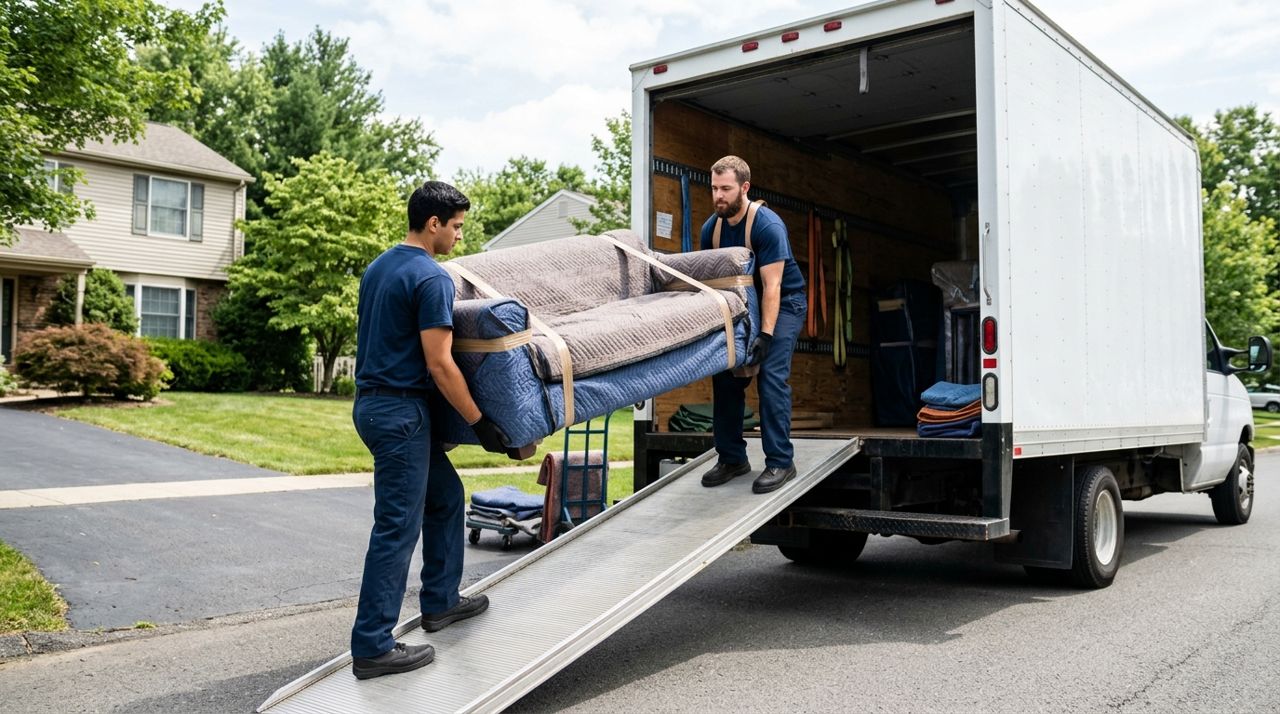
Two movers carefully loading wrapped couch into box truck using proper lifting technique and straps Pack the truck front to back, heaviest items first, securing everything to the walls with straps. Wrap all wood furniture in blankets to prevent scratches. Stack boxes labeled 'fragile' on top, never on the bottom. Mattresses and sofas go against the walls standing upright to save floor space. Fill gaps with pillows and soft items so nothing shifts during transit.
Always lift with your legs, not your back. Invest in a back brace if you are doing this full-time. For items over 100 pounds, hire a second person (budget $20–25/hour) or use a shoulder dolly. Take before-and-after photos of high-value items and the property to protect yourself from false damage claims. Drive smoothly—hard stops send unsecured loads flying.
- 07
Step 7: Build repeat business and referrals

Mover and customer shaking hands while exchanging business card after completed moving job Your first 20 jobs are your audition. Show up on time, communicate clearly, protect the customer's belongings, and finish within the quoted time. After each job, ask satisfied customers to leave a review on the platform and refer you to friends. Offer a $25 discount for referrals that book.
Hand out business cards with your phone number and email. Local real estate agents, estate sale companies, furniture stores, and apartment complexes all need reliable movers on speed-dial. Introduce yourself, offer a contractor discount (10% off), and follow up monthly. Once you have three to four steady referral sources, you will fill your calendar without paying platform fees. Track every lead in a simple spreadsheet so you can follow up and measure which channels bring the most profit.
Pro tips
- Start each day with a full tank of gas and confirm all appointments the night before to avoid no-shows.
- Keep a case of cold water in the truck; offering customers a bottle in summer earns goodwill and better tips.
- Use moving-specific GPS apps like Trucker Path or Google Maps truck mode to avoid low bridges and weight-restricted roads.
- Join local moving and hauling Facebook groups to find last-minute gigs and subcontract overflow work from other movers.
- Set aside 25-30% of gross revenue for taxes; as an independent contractor, you pay self-employment tax quarterly.
Frequently asked questions
- Do I need helpers, or can I work solo?
- You can handle small delivery jobs solo (single appliances, a few pieces of furniture), but full household moves require at least one helper for safety and speed. Budget $20–25 per hour for a helper, or find a partner and split revenue 60/40 (you get the larger share since you provide the truck and insurance).
- How much can I realistically earn per week?
- Drivers working four to five days a week average $800–1,500 in gross revenue after platform fees but before expenses like fuel, truck rental, and insurance. Your net profit depends on how efficiently you route jobs and whether you own or rent your truck. High-demand weekends (end of month, summer moving season) can bring $500+ in a single day.
- What if something gets damaged during a move?
- Take detailed photos before loading anything, wrap all furniture in blankets, and secure loads properly. If damage occurs despite precautions, your cargo insurance covers repairs or replacement. File a claim immediately and document the damage with photos. Never admit fault or offer cash on the spot; let your insurance company handle it.
Working as a CDL or box-truck driver for moving and hauling offers flexible hours, immediate cash flow, and the satisfaction of helping people during stressful transitions. Start with a rented truck and a few platform profiles, deliver excellent service, and build your reputation one job at a time. Whether you want a weekend side income or a full-time business, the demand for reliable local hauling is strong and steady. If you are ready to start accepting jobs today, open the Lumo app, set up your worker profile, turn on moving and hauling alerts, and get your first booking.
Photos are illustrative. Service prices are typical ranges and vary by city. How we write our guides.
More guides like this
How to Sign Up to Deliver Food and Packages and Get Your First Job
Delivery work offers flexible hours and immediate income, but getting started requires knowing where to find jobs and how to set yourself up for success.
How to Deliver Food & Groceries by Bike in a Dense City
Bike and e-bike delivery in a crowded city is faster than driving—if you know the routes, pack smart, and handle the weather. Here's how it actually works, from signup to drop-off.

How to Use the Busy Map to Find Where Orders Are Coming In
The busy map shows you real-time order activity in your city. Here's how to read it, position yourself in hot zones, and earn more per hour with less idle time.